
William Hall-Jones — New Zealand's 16th Prime Minister (interim, 1906)
Brief biography of Sir William Hall-Jones (1851–1936), who served as New Zealand's 16th Prime Minister in 1906 as an interim leader after Richard Seddon's death; a senior Liberal minister noted for administrative steadiness.
Overview
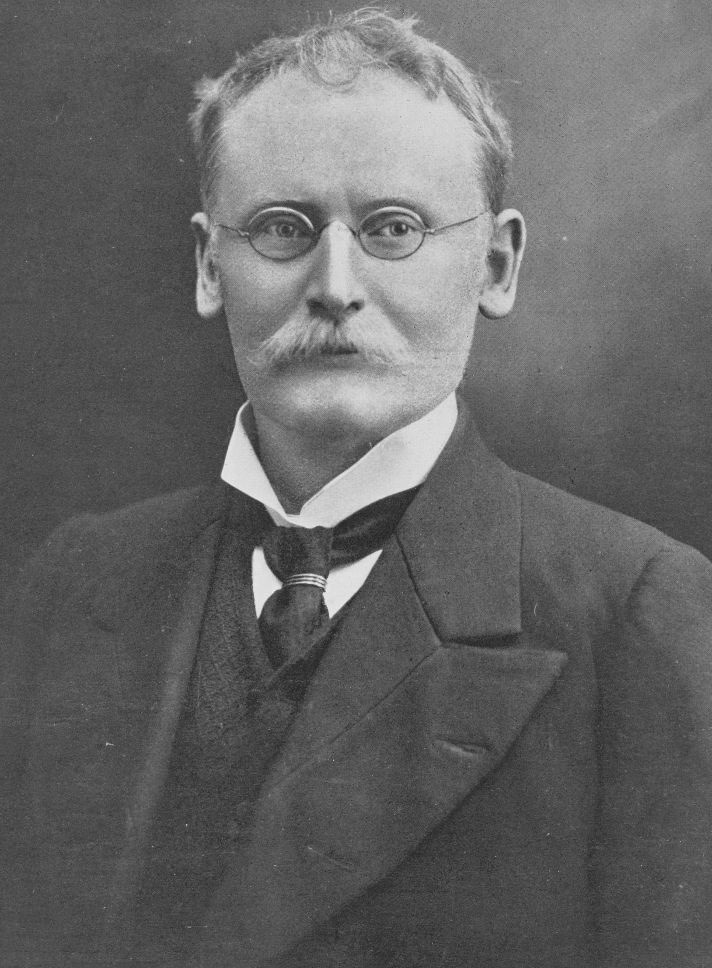
Sir William Hall-Jones (16 January 1851 – 19 June 1936) was a New Zealand politician who served briefly as the country's 16th Prime Minister. He led a caretaker government from June to August 1906 following the death of Richard Seddon, holding the office until Joseph Ward returned from overseas. Hall-Jones is remembered as a steady, experienced administrator who provided continuity at a moment of national upheaval.
Image gallery
3 Images

Early life and political rise
Hall-Jones was active in public life during the late 19th and early 20th centuries as a member of the Liberal Party. Over many years he gained experience in ministerial roles and in parliamentary affairs, developing a reputation for reliability and practical competence. These attributes made him a natural choice to act as leader when the party needed an interim head.
Premiership (June–August 1906)
His term as Prime Minister began immediately after the sudden death of Sir Richard Seddon and lasted until Joseph Ward, the party's chosen successor, could assume office. During these weeks Hall-Jones focused on maintaining government operations, reassuring the public and international partners, and keeping the administration of ongoing policies on track. His short premiership exemplifies the role of a caretaker leader: limited ambition for long-term change and concentrated attention on steady governance during transition.
Leadership style and government role
Hall-Jones was seen as a practical, understated statesman rather than a flamboyant political figure. He placed emphasis on sound administration and continuity. Rather than initiating major policy shifts, he preserved the Liberal Government's direction while enabling a smooth handover to his successor. This approach reinforced institutional stability at a sensitive time for the party and the nation.
Later life, honours and legacy
After relinquishing the premiership to Joseph Ward, Hall-Jones continued to participate in public affairs and retained respect as an elder statesman. He was styled KCMG, reflecting recognition of his public service. Historians and political commentators cite his brief tenure as an example of effective interim leadership: preserving confidence in government and ensuring orderly succession.
Notable facts
- Served as interim Prime Minister of New Zealand during a leadership transition in 1906.
- Was a senior member of the Liberal administration and known for administrative competence.
- Provided stability and continuity until the return of Joseph Ward.
- Related figures and context include Sir Richard Seddon: Richard Seddon, and reference lists of New Zealand leaders: Prime Ministers of New Zealand.
Author
AlegsaOnline.com William Hall-Jones — New Zealand's 16th Prime Minister (interim, 1906) Leandro Alegsa
URL: https://en.alegsaonline.com/art/132926