
Richard Seddon — New Zealand Prime Minister (1893–1906)
Overview of Richard Seddon (1845–1906), New Zealand's longest-serving prime minister, leader of the Liberal era whose government enacted women's suffrage and major social reforms.
Richard Seddon (22 June 1845 – 10 June 1906) was a dominant figure in New Zealand politics around the turn of the 20th century. He served as Prime Minister from 1893 until his death in 1906 and remains the longest-serving person to hold that office. His time in power is associated with an expansion of central government activity, a suite of social reforms, and the consolidation of the Liberal Party as New Zealand's first organized national government.
Image gallery
10 Images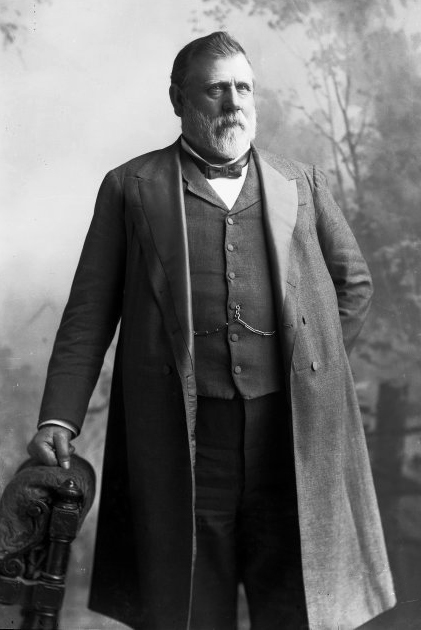




Early life and rise to politics
Seddon was born in England and emigrated as a young man to Australasia, where he worked in mining and local business before entering public life. He settled on New Zealand’s West Coast and became prominent in municipal affairs and Labour interests. That local experience and a reputation for plain speaking helped him win election to Parliament and rise within the Liberal movement of the 1880s and 1890s.
Prime ministership and governing style
As head of government, Seddon combined pragmatic populism with an interventionist agenda. He cultivated a strong public image and was sometimes referred to by contemporaries as a man of considerable force and charisma. Seddon often centralized decision-making and took an active personal interest in many elements of administration, while presenting his policies as protecting small farmers, workers and the ordinary citizen.
Major policies and reforms
- Social welfare: His ministry introduced measures that laid groundwork for state welfare, including pensions and labour protections.
- Land and economic policy: The government pursued land-reform and measures to support closer settlement and agricultural development.
- Political reform: In 1893 Seddon’s government enacted legislation enfranchising women, making New Zealand the first self-governing country to grant national voting rights to women.
These initiatives shaped New Zealand’s development and signalled a shift toward more active state involvement in social and economic life.
Legacy and notable facts
Seddon died in office in 1906 while on a visit abroad. He left a mixed legacy: celebrated for progressive social legislation and criticized by some for authoritarian tendencies and imperialist views. His leadership established institutions and precedents that influenced New Zealand politics for decades. Today he is remembered as a central figure of the Liberal era whose government enacted some of the nation’s earliest social reforms.
Author
AlegsaOnline.com Richard Seddon — New Zealand Prime Minister (1893–1906) Leandro Alegsa
URL: https://en.alegsaonline.com/art/129552