
William Friedkin — American film director, producer and screenwriter
Overview of William Friedkin (born 1935), his career highlights, stylistic traits, major films such as The French Connection and The Exorcist, controversies, awards and legacy.
Overview
William Friedkin (born August 29, 1935) is an American film director, producer and screenwriter whose work became influential during the New Hollywood era of the late 1960s and 1970s. He is widely known for intense, often controversial films that emphasize realism, raw performances and daring location work. Two of his most widely known features are The French Connection (1971) and The Exorcist (1973), the former earning him the Academy Award for Best Director and both shaping expectations for crime and horror cinema.
Image gallery
4 Images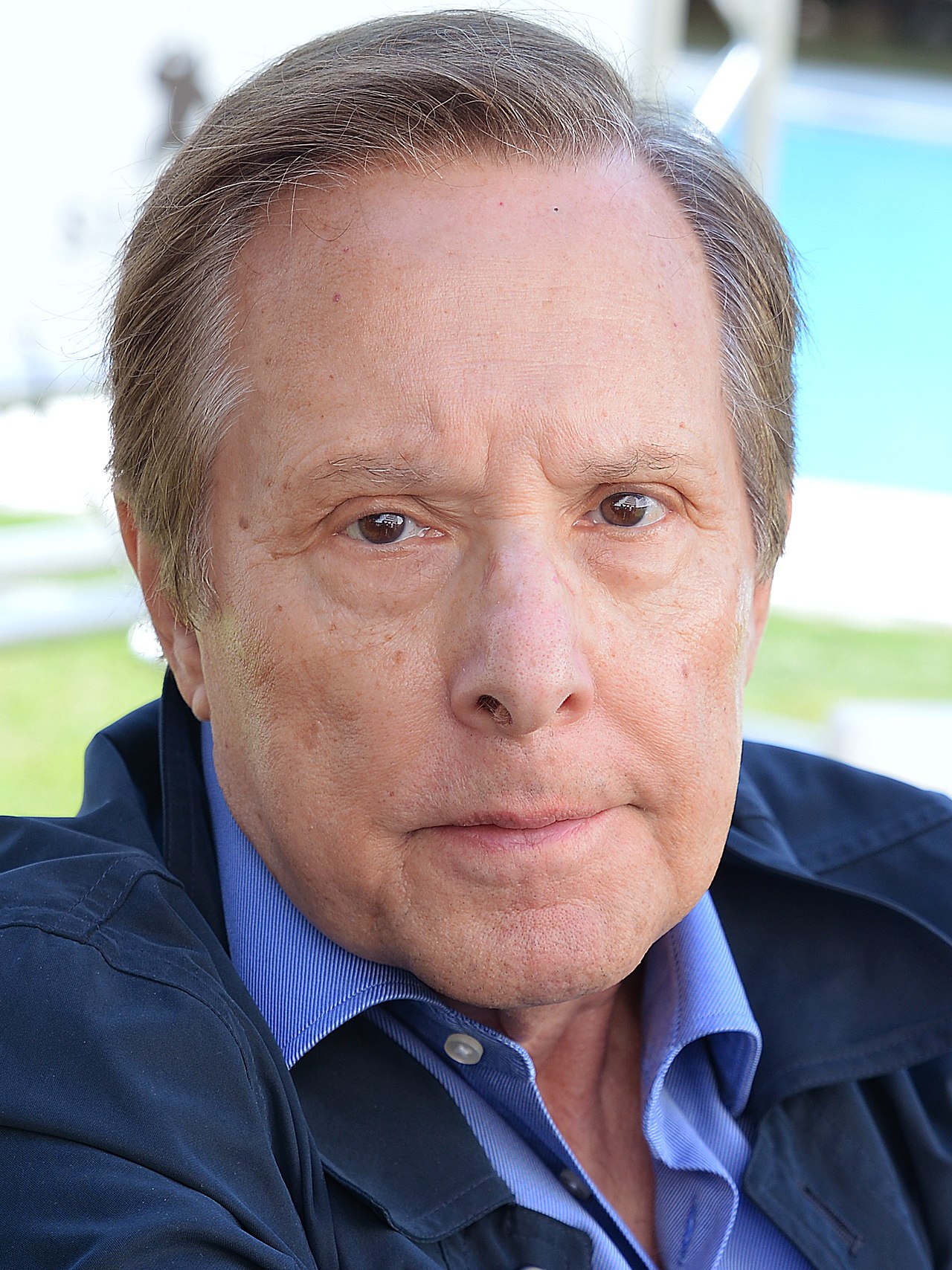


Early career and background
Friedkin began his professional life in journalism and television documentary work before moving into feature films, a path shared by several of his contemporaries. His documentary sensibility—an emphasis on observation, on-location shooting and improvisation—carried over into his narrative films, producing a trademark immediacy and occasionally confrontational realism.
Style and themes
Friedkin favored handheld cameras, long takes and practical stunts, often staging scenes to feel unpredictable and urgent. He explored a range of genres, from gritty crime drama to supernatural horror and dark comedy, but recurring concerns include moral ambiguity, institutional power, and the psychological or physical limits of his characters. His willingness to depict violence, sexuality and religion in uncompromising ways made his films provocative and frequently discussed.
Notable films and public reaction
Several of Friedkin's films generated strong public and critical reactions on release. Highlights include:
- The French Connection — a landmark crime thriller known for documentary-like realism and a famous car chase sequence.
- The Exorcist — a major popular and critical event in horror cinema that brought supernatural subject matter to mainstream attention and provoked intense audience response.
- Sorcerer — a tense, atmospheric thriller that has attracted reassessment and cult appreciation despite mixed box-office results at the time.
- Cruising — a polarizing film whose depiction of subcultures prompted protests and debate about representation and filmmaking responsibility.
- The Brink's Job — a lighter, caper-style entry that highlights his range across tones and ensembles.
Awards and recognition
Friedkin received significant industry recognition for his work, most notably the Academy Award for Best Director for The French Connection. His films have earned additional nominations and have been the subject of scholarly study for their technical craft, use of location, and impact on genre filmmaking.
Later work and adaptations
In later decades Friedkin continued to direct across genres. He made satirical and action-oriented films such as Deal of the Century, psychologically intense pieces like Bug, and stage-adapted dark comedies such as Killer Joe. While some later projects received mixed reviews, his career demonstrates a consistent interest in testing audience expectations and exploring morally complex material.
Controversy, criticism and legacy
Friedkin's films often provoked strong reactions, and debates around them touch on representation, taste and cinematic limits. Critics and supporters alike note his technical prowess—particularly in staging action and sustaining tension—alongside an uncompromising approach to subject matter. His influence can be seen in directors who favor realism, immediacy and an unflinching look at violence or taboo topics.
Selected filmography
- The French Connection (1971)
- The Exorcist (1973)
- Sorcerer (1977)
- The Brink's Job (1978)
- Cruising (1980)
- Deal of the Century (1983)
- Bug (2006)
- Killer Joe (2011)
Friedkin's career spans many decades and includes work that is both celebrated and contentious. His most influential films nevertheless continue to be studied for their craftsmanship, their effect on genre conventions, and their willingness to challenge audiences and institutions.
Author
AlegsaOnline.com William Friedkin — American film director, producer and screenwriter Leandro Alegsa
URL: https://en.alegsaonline.com/art/132917