
Wallace Fard Muhammad
Enigmatic co‑founder of the Nation of Islam who appeared in Detroit in the early 1930s; known for distinctive teachings, a mysterious identity, and an abrupt disappearance.
Overview
Wallace Fard Muhammad (also seen as W. D. Fard or Wallace D. Fard) is remembered as the principal founder of the Nation of Islam. He emerged publicly in Detroit in 1930 and quickly attracted a following among African Americans by teaching a distinct religious and social program. Many aspects of his life before and after those years are unclear, and scholars describe his origins, age and even his racial background as disputed.
Image gallery
8 Images


Teachings and activities
Fard presented a doctrine that drew elements from orthodox Islam while also incorporating ideas about Black self‑respect, economic independence and moral reform. He urged followers to establish businesses, improve their communities and live by strict codes of behavior. Contemporary accounts describe him as a charismatic teacher who combined scripture, practical instruction and appeals to racial dignity.
Identity, appearance and disappearance
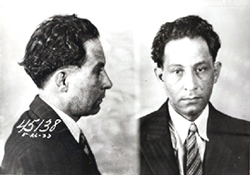
Observers at the time offered conflicting descriptions of Fard’s appearance: some recalled him as a light‑skinned Black man, others as having an Arab appearance, and still others described him as white. He is known to have sold silk, perfumes and incense as part of his public activity. Reports differ about his ultimate fate; followers say he left suddenly in the early 1930s and was last seen by his primary disciple, Elijah Muhammad, when he departed from the Detroit airport. Exact details of his background and whereabouts after that departure remain a matter of uncertainty and debate.
Legacy and significance
Although his public ministry in Detroit lasted only a few years, Fard’s influence endured through the organization he founded. Under Elijah Muhammad’s leadership, the movement grew into a nationally significant religious and political force among African Americans. The teachings attributed to Fard helped shape later figures associated with the movement and contributed to broader conversations about religion, race and self‑determination in 20th‑century America.
Key facts and open questions
- Founding role: credited with establishing the movement that became the Nation of Islam.
- Public emergence: first prominent activity reported in Detroit in 1930.
- Teachings: blended elements of Islam with Black empowerment and economic self‑help.
- Disappearance: left Detroit under unclear circumstances in the early 1930s and was last reported seen by Elijah Muhammad.
- Unknown origins: birth date, nationality and many biographical details are disputed or undocumented.
Because primary documentation about Wallace Fard Muhammad is sparse and sometimes contradictory, historians rely on a mix of contemporary reports, later testimonies and archival records to reconstruct his life. The resulting portrait combines demonstrable influence with persistent mystery.
Author
AlegsaOnline.com Wallace Fard Muhammad Leandro Alegsa
URL: https://en.alegsaonline.com/art/132705