
Waheeda Rehman: Indian Film Actress and Cultural Figure
Waheeda Rehman (born 14 May 1936) is an Indian film actress celebrated for her work in Hindi cinema, known for performances in Guide, Khamoshi and Neel Kamal; she began in South Indian films and received national honors.
Waheeda Rehman is an Indian actress whose career spans several decades and film industries. Born on 14 May 1936 in Chengalpattu, Tamil Nadu, then part of British India, she rose from regional cinema into a leading presence in Hindi films. She is widely remembered for nuanced, restrained performances and a graceful screen presence that blended classical dance training with subtle dramatic skill.
Image gallery
5 Images
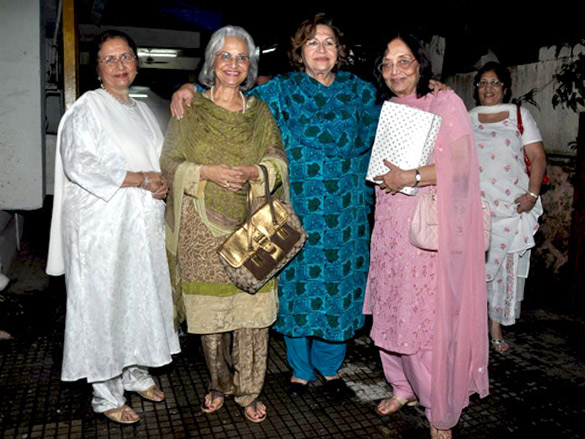



Early life and background
Rehman grew up in what is now the southern Indian state of Tamil Nadu. Her early exposure to dance and regional film work helped launch a screen career that moved from Telugu and Tamil productions into mainstream Hindi-language cinema. Her place of birth and formative years in the south are noted in many biographical profiles; for local context see Chengalpattu.
Career highlights
She became a prominent figure in Hindi films of the 1950s through the 1970s, collaborating with notable directors and co-stars. Some of her best-known films include Guide, Khamoshi, Neel Kamal and Reshma Aur Shera. Her work across genres—romantic drama, social melodrama and nuanced character pieces—established her as a versatile performer. For a fuller view of her screen credits consult a detailed filmography.
Rehman's reputation rests on expressive restraint rather than flamboyance: critics and audiences have praised her ability to convey complex emotion with economy. She often played characters who balanced modern sensibilities with traditional values, making her performances accessible to diverse audiences.
Legacy and recognition
Over the decades she has received wide recognition, including major civilian honors from the Indian government and popular film awards. Her influence is visible in subsequent generations of actresses who cite her naturalistic style and dignity on screen. Her contributions are frequently discussed in histories of Hindi cinema and Indian film culture.
- Notable films: Guide; Khamoshi; Neel Kamal; Reshma Aur Shera.
- Known for: classical-influenced movement, understated acting, long career across regional and national cinemas.
- Further reading and archival materials are available through cinema databases and retrospectives on Indian film; see a representative resource about the colonial-era context or a curated biography via filmography.
Her life and work remain subjects of study for those interested in performance, gender and cultural change in Indian cinema. For researchers and fans alike, Waheeda Rehman exemplifies a generation of performers who bridged regional film industries and the pan-Indian screen, leaving a lasting imprint on cinematic style and screen acting.
Author
AlegsaOnline.com Waheeda Rehman: Indian Film Actress and Cultural Figure Leandro Alegsa
URL: https://en.alegsaonline.com/art/132695