
W (letter) — the twenty-third letter of the Latin alphabet
Overview of the letter W: origin as a double U/V, pronunciation and phonetic roles, history from Old English to modern alphabets, typographic forms and notable uses like chemical symbol W and unit watt.
Overview
The letter W occupies the twenty-third position in the modern Latin alphabet and is customarily identified as the 23rd character (23). In English its name is spoken as "double u" and is notable for being the only English letter whose conventional name has three syllables. Visually and historically it originated as a ligature of two U- or V-shaped elements and has distinct typographic forms.
Image gallery
4 Images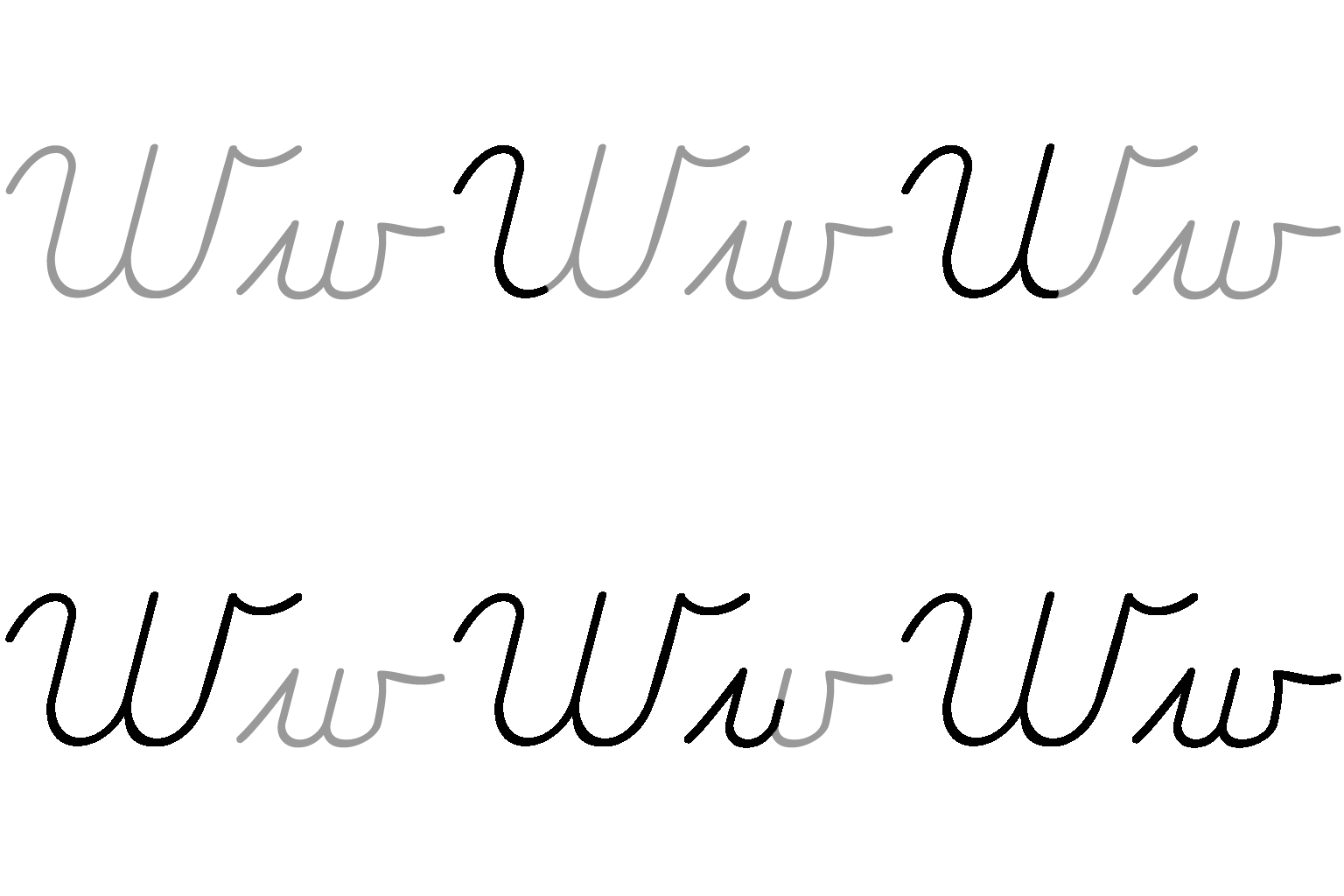

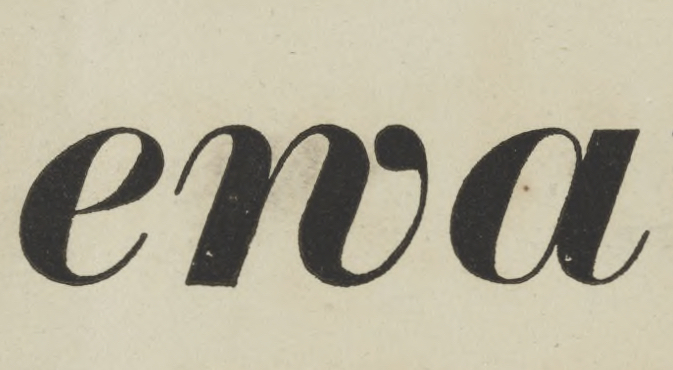
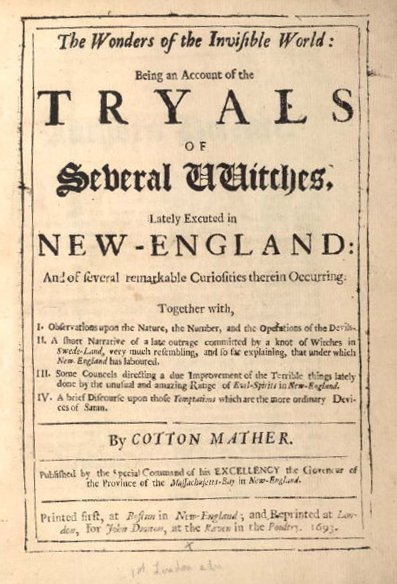
History and development
W emerged in medieval Latin and vernacular writing to represent the velar or labio-velar sound /w/, which classical Latin had not required. In Old English the rune wynn (ƿ) served that purpose; later scribes doubled the letter U/V to mark the sound and the doubled form became a separate letter in many alphabets. Typography led to variants described as "double u" or "double v" depending on regional letterforms.
Pronunciation and phonetic role
In many languages W behaves as a consonant (for example in English words like what or write), though in certain contexts and languages it acts as a vowel or semivowel. Linguists often treat it as a semivowel or approximant rather than a pure vowel; nevertheless some languages and word positions yield vocalic pronunciations (for example in the Welsh vowel-like use or in diphthongs such as draw and few). The general distinction between consonant and vowel behavior depends on language and phonetic environment.
Spelling, names and international differences
Names and pronunciations of the letter vary: English says "double u", German calls it "ve" and pronounces it like /v/, while in some languages the letter is treated differently in alphabetical ordering. In orthography W can appear as a single distinct letter or as part of digraphs in other languages. The form and naming reflect whether its origin was perceived as two U-shapes or two V-shapes.
Uses, examples and notable facts
- Examples where W is consonantal: what, women, write.
- Examples where W is vocalic or part of a diphthong: draw, few, and Welsh words where w functions as a vowel.
- As a symbol: uppercase W denotes the chemical element tungsten (from the name wolfram) and the SI unit watt; it also appears commonly in abbreviations like "www" for web addresses.
For concise references to the basic letter concept see general entries on letter and the Latin writing tradition. Further reading can explore typographic histories and language-specific uses of alphabet characters and digraphs.
Distinctive features of W—its doubled form, variable phonetic roles and international variation—make it an interesting case study in how alphabets adapt to spoken language needs and graphical conventions.
Author
AlegsaOnline.com W (letter) — the twenty-third letter of the Latin alphabet Leandro Alegsa
URL: https://en.alegsaonline.com/art/132689