
Victor Emmanuel III of Italy (1869–1947)
King of Italy from 1900 to 1946 whose long reign encompassed two world wars, Italy's colonial ventures, the rise of Fascism under Mussolini, and the monarchy's eventual abolition.
Victor Emmanuel III succeeded his father, Umberto I, and reigned as King of Italy from 1900 until his abdication in 1946. Born in 1869 into the House of Savoy, his rule spanned a period of dramatic change: Italy's industrial and colonial ambitions, participation in two world wars, the emergence and decline of Fascism, and the end of the monarchy itself. He is remembered both for the continuity his long reign provided and for contested choices that helped shape twentieth century Italy.
Image gallery
10 Images
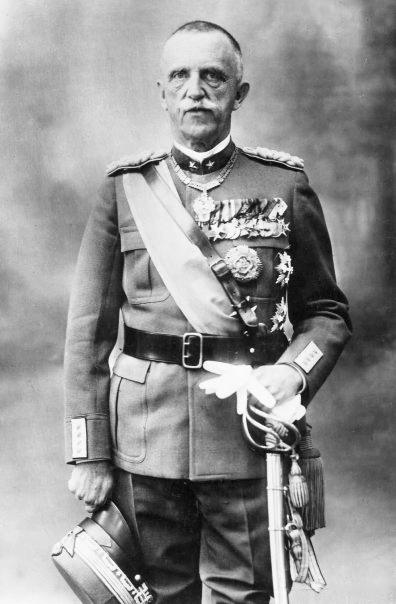


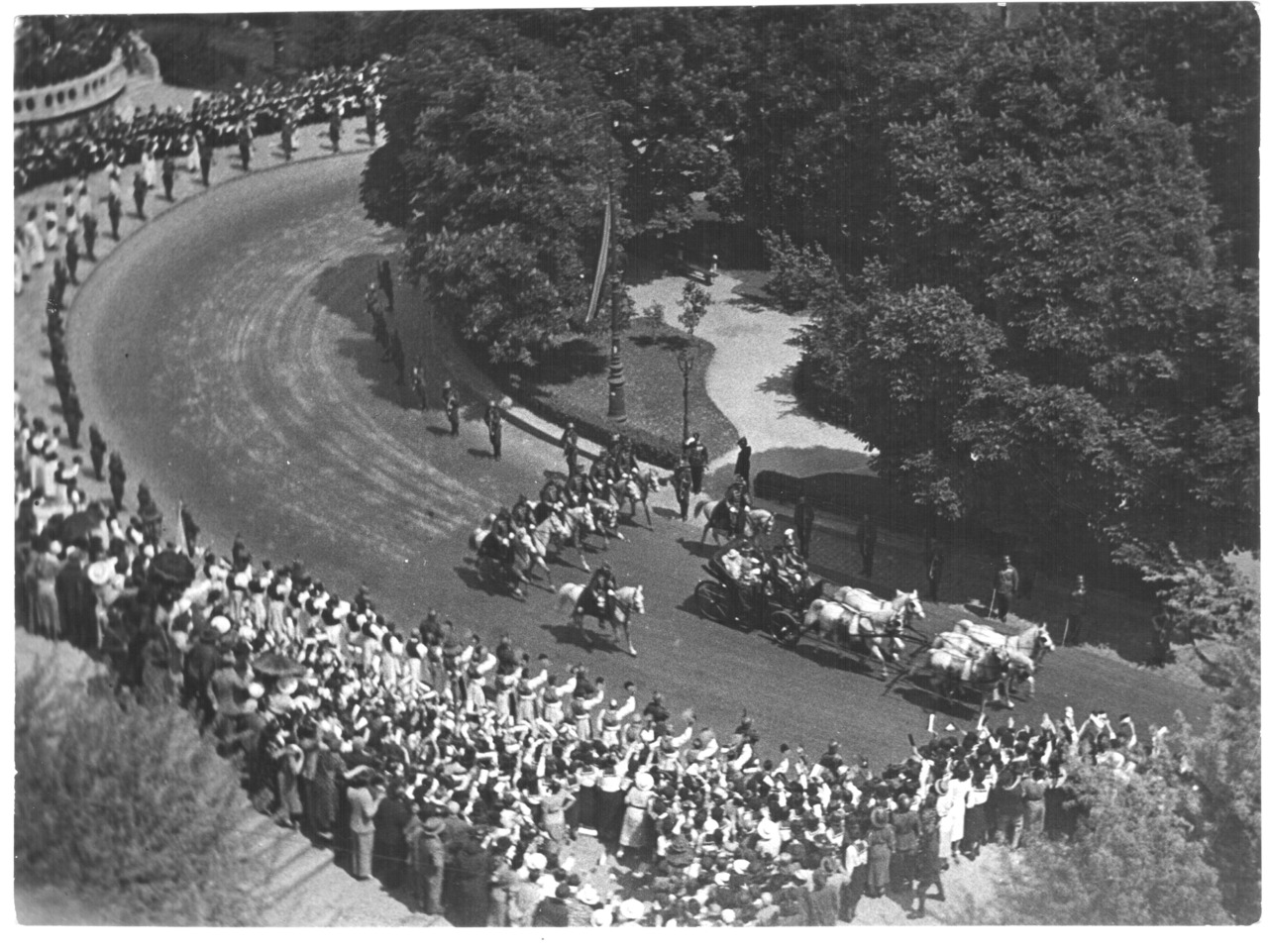
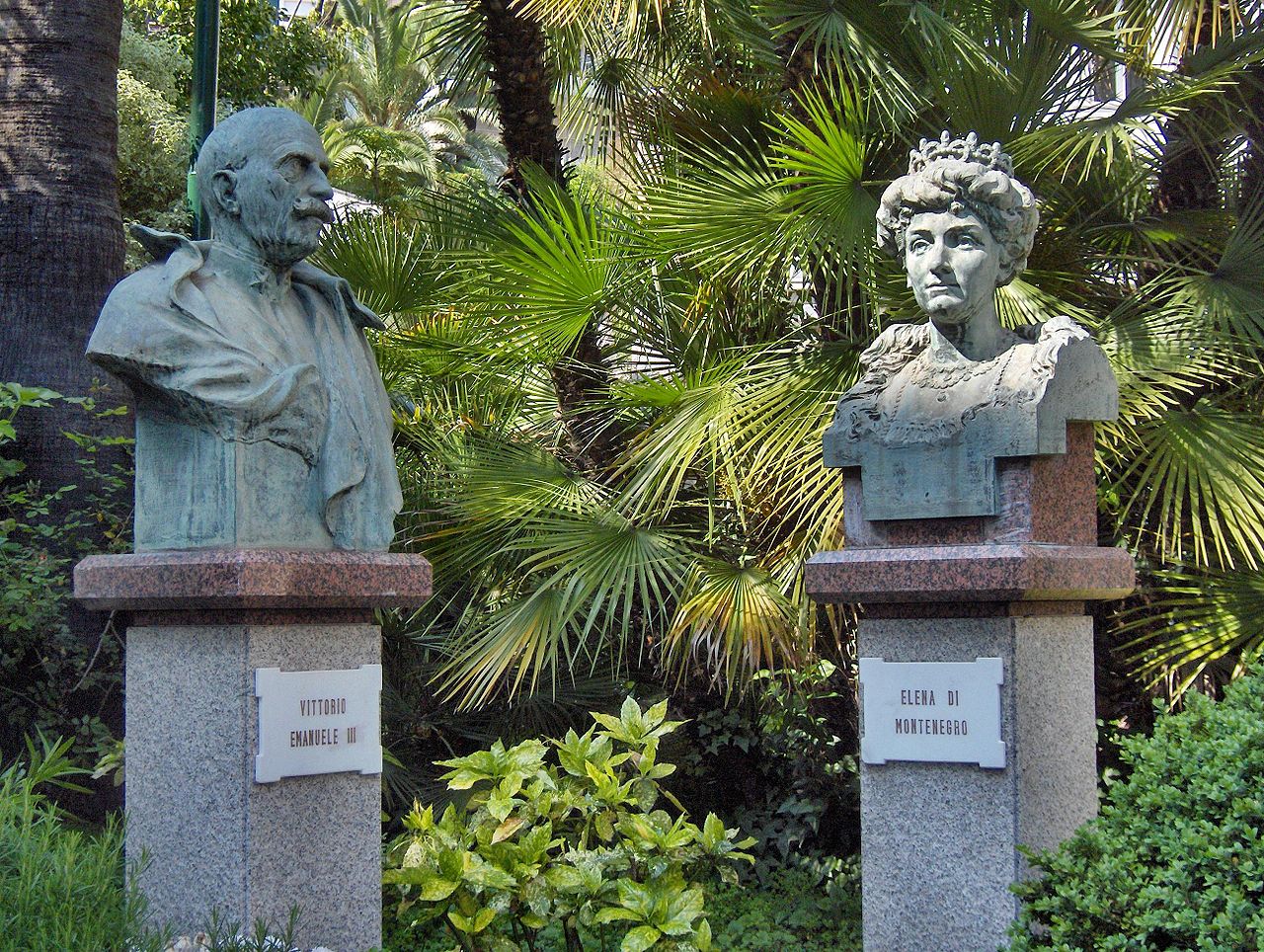


Reign, political role and key events
Victor Emmanuel's constitutional position combined symbolic monarchy with limited reserve powers. In practice his decisions at critical moments—most notably the appointment of Benito Mussolini after the 1922 March on Rome—greatly influenced Italy's trajectory. His reign included major episodes such as Italy's involvement in World War I, the colonial conquest of Ethiopia in the 1930s (after which he was proclaimed Emperor of Ethiopia), the enactment of Fascist laws, and participation alongside Germany in World War II until 1943.
Notable events during his reign include:
- Assuming the throne in 1900 following his father's assassination.
- Italy's shifting alliances and its role in World War I.
- The 1922 Fascist takeover and the consolidation of one-party rule.
- Colonial campaigns in Africa and the 1938 racial laws.
- The 1943 dismissal of Mussolini, the armistice, civil war and Allied liberation.
Abdication, exile and legacy
After WWII the monarchy's reputation was severely damaged by its association with Fascism. In May 1946 Victor Emmanuel abdicated in favor of his son, who briefly reigned as Umberto II, in an effort to preserve the crown. A national referendum that summer abolished the monarchy and established the Italian Republic. Victor Emmanuel spent his final months in exile in Egypt and died in 1947.
Historians debate his motives and responsibility: some view him as a cautious, conservative monarch whose passivity allowed authoritarianism to take root; others stress the constraints of the constitutional system and the turbulent social forces of the era. His reign nonetheless marks a pivotal period in modern Italian history, illustrating how constitutional monarchs can influence — and be overtaken by — revolutionary political movements.
For further factual background see general biographies and primary-source collections on early 20th-century Italy and the history of Italy. Additional archival material is available through repositories linked by royal and scholarly projects (House of Savoy resources).
Author
AlegsaOnline.com Victor Emmanuel III of Italy (1869–1947) Leandro Alegsa
URL: https://en.alegsaonline.com/art/132555