
Umberto I of Italy: king, reign, and legacy (1844–1900)
Umberto I was King of Italy from 1878 to 1900. His reign saw industrial growth, colonial ventures, social unrest and the 1896 defeat at Adwa; he was assassinated in 1900 and succeeded by Victor Emmanuel III.
Overview
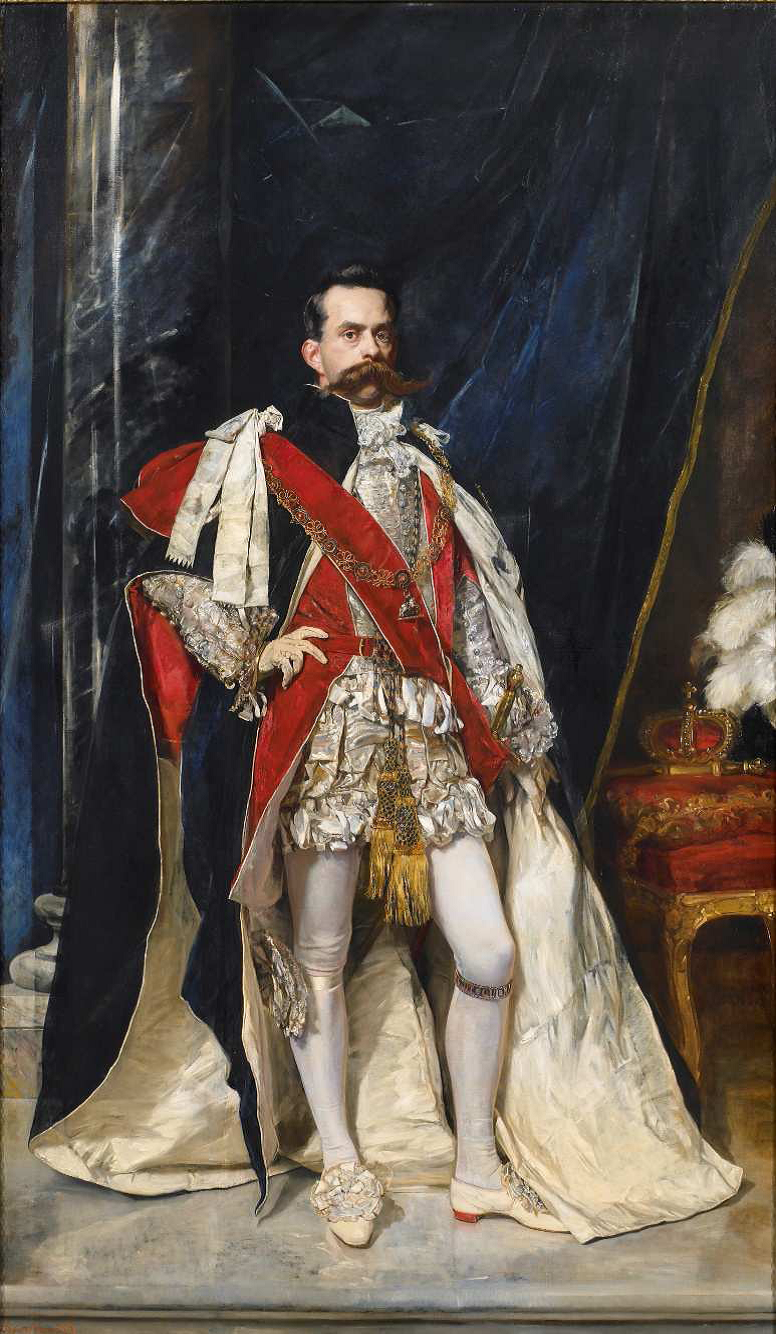
Umberto I (14 March 1844 – 29 July 1900) was King of Italy from 1878 until his death in 1900. The son of Victor Emmanuel II, he inherited the throne during a period when the new Italian state was consolidating its institutions, expanding economically and facing rising social movements. His reign combined efforts at modernization with a conservative approach to political conflict.
Image gallery
10 Images




Early life and accession
Born into the House of Savoy, Umberto spent his youth as heir apparent under the recently unified kingdom. He married Margherita of Savoy and fathered the future king Victor Emmanuel III. When his father died in 1878 he became monarch and took on duties symbolic of national unity while working with a succession of prime ministers and governments.
Reign: policies and notable events
Umberto's rule coincided with industrial growth in northern Italy, extensive emigration from the south, and the emergence of organized socialist and anarchist movements. The government pursued overseas expansion, acquiring footholds in the Horn of Africa and the Somali coast. This colonial policy culminated in Italy's defeat at the Battle of Adwa (1896), a significant setback that exposed military and political weaknesses.
- Domestic unrest: growing labor activism and strikes.
- 1898: violent repression of riots in several cities, which provoked controversy over the crown's response.
- Colonial ambitions and the Adwa defeat affecting national prestige.
Death and legacy
Mounting social tensions and anger over government repression contributed to a polarised climate. In July 1900 Umberto I was assassinated by the anarchist Gaetano Bresci, and his son succeeded him as king Victor Emmanuel III. Historians view Umberto's reign as pivotal: it consolidated the monarchy and state structures while highlighting the limits of conservative responses to modern social and political challenges. For further context on the succession and the period that followed, see resources linked under related topics.
Author
AlegsaOnline.com Umberto I of Italy: king, reign, and legacy (1844–1900) Leandro Alegsa
URL: https://en.alegsaonline.com/art/132387