
Umm Kulthum: Egyptian Singer, Songwriter, and Cultural Icon
Umm Kulthum (c.1904–1975) was an Egyptian singer, songwriter and actress whose powerful voice and long, improvisatory performances shaped modern Arabic music and made her a pan‑Arab symbol.
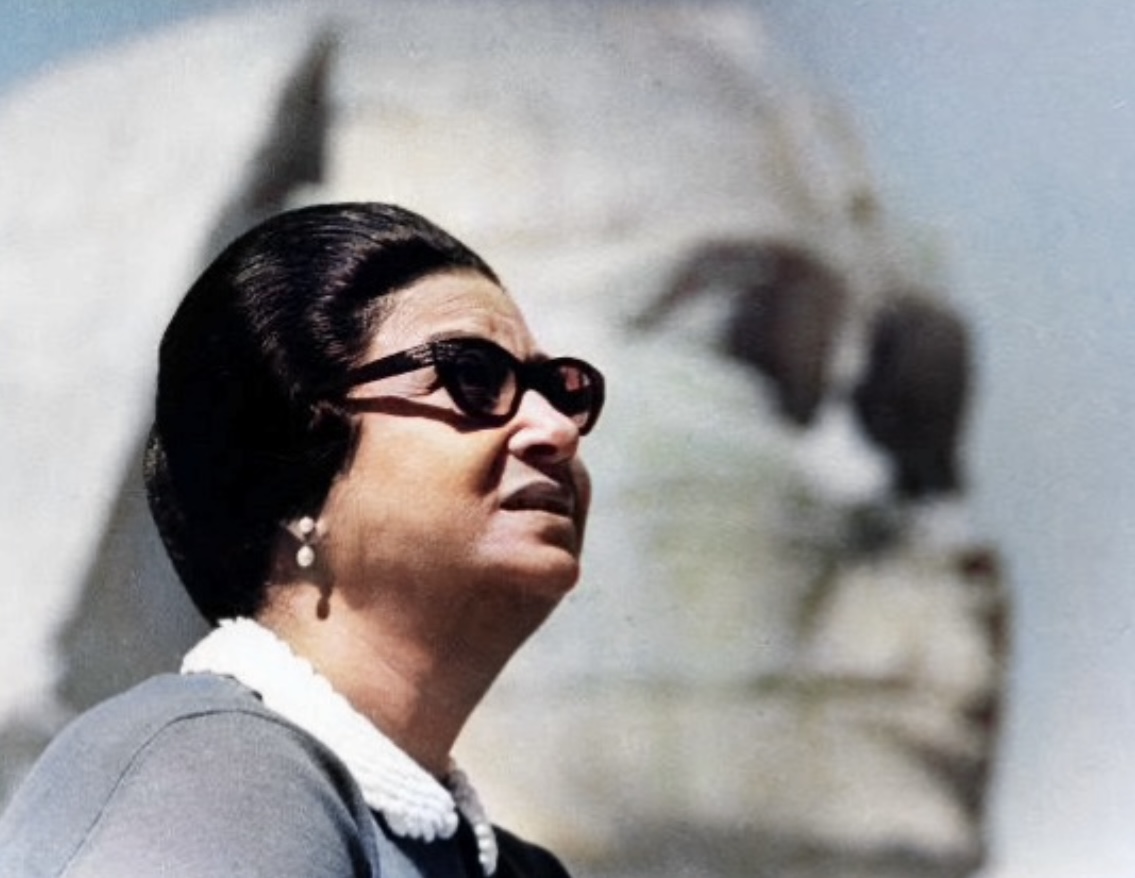
Umm Kulthum (commonly cited as born 4 May 1904 – died 3 February 1975) was an Egyptian vocalist, composer and film performer whose work became central to 20th‑century Arabic music. Born Fatima Ibrahim el‑Beltagi in a Nile Delta village, she first sang religious and folk material as a child and went on to a professional career that spanned several decades. Admired for dramatic interpretation, precise diction in classical Arabic, and the ability to sustain long, emotionally charged performances, she earned honorifics such as "Kawkab al‑Sharq" (Star of the East) and was widely called "The Voice of Egypt".
Image gallery
10 Images




Musical style and repertoire
Her repertoire mixed classical Arabic poetry, newly written lyrics and popular song forms. Performances were often built on the maqam modal system and featured extended vocal improvisation (tarab), call‑and‑response with orchestral themes, and gradual rhythmic and melodic development. Songs could last from several minutes to an hour; this expansiveness allowed singers and audiences to explore emotional subtleties and melodic variations uncommon in Western pop formats. Umm Kulthum recorded and performed more than 300 songs, several of which became standards across the Arab world.
Career highlights and collaborations
She rose to prominence in the 1920s and became a dominant cultural figure by the 1940s and 1950s. Early in her career she appeared in Egyptian cinema but later concentrated on concerts and recordings. Over the years she collaborated with leading composers and poets of her era. Notable partnerships included work with Riad Al Sunbati and Mohamed Abdel Wahab; one of her landmark songs, "Enta Omri," was composed by Abdel Wahab and first presented in 1964. Her interpretations of long suites such as "Al‑Atlal" (The Ruins) are widely cited among her most powerful recordings.
- Composers: Riad Al Sunbati, Mohamed Abdel Wahab, Zakariya Ahmad and others.
- Forms: Maqam-based songs, classical poetry settings, and popular strophic songs expanded into extended performances.
- Media: Records, radio and live monthly concerts that were broadcast across the Arab world.
Public role, reception and legacy
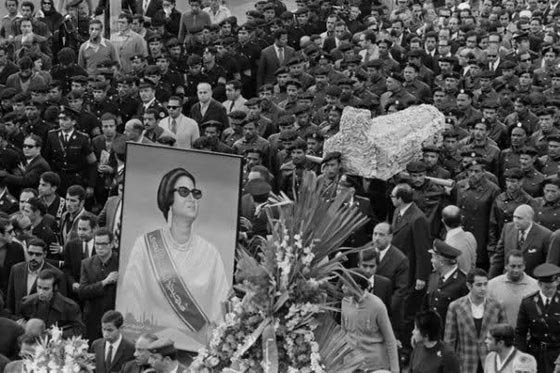
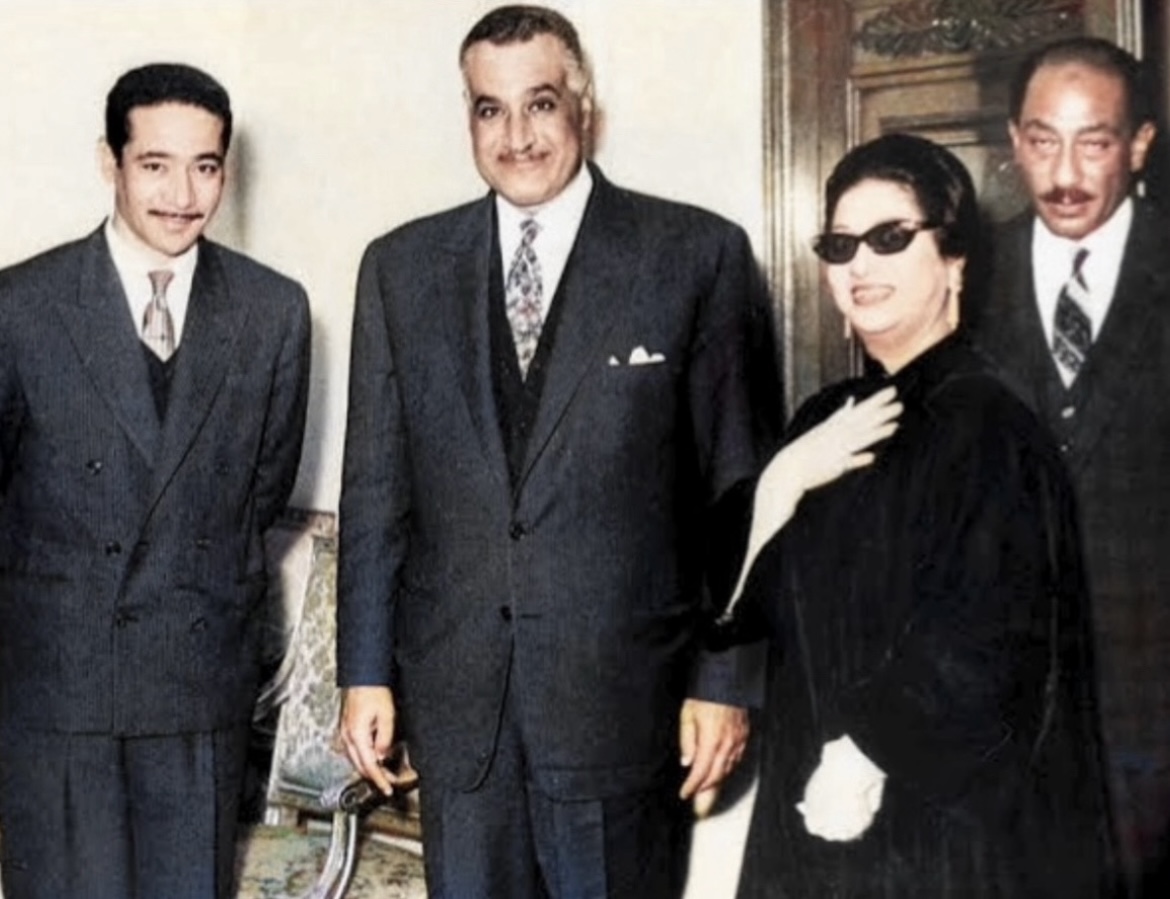
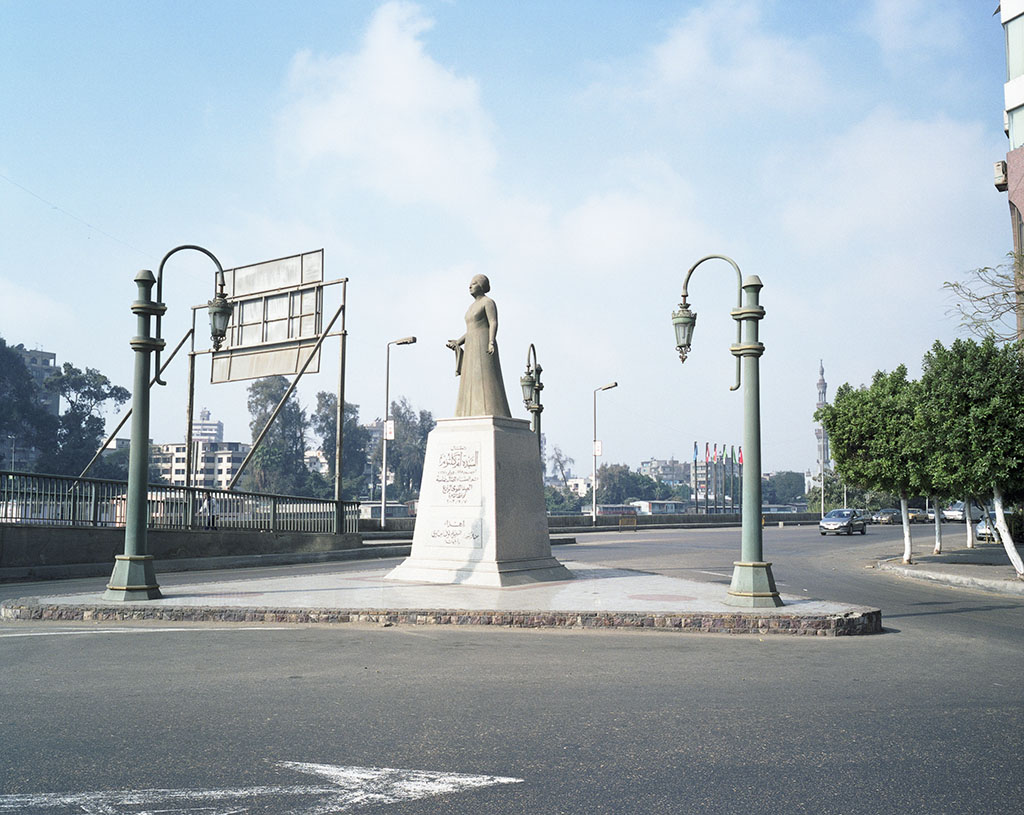
Beyond entertainment, Umm Kulthum became a symbol of Egyptian and pan‑Arab identity. State leaders and ordinary citizens regarded her as an emblem of cultural prestige; she performed for heads of state and at national ceremonies. Her monthly concerts—most famously the radio broadcasts on Thursday evenings—created a ritual listened to by millions across national borders. After her death in 1975, huge crowds attended her funeral, an event widely remembered as an expression of popular mourning. She influenced subsequent generations of singers, set standards for vocal technique and interpretation, and remains a reference point in studies of modern Arabic music.
Notable works and further reading
Among songs most often associated with her are "Al‑Atlal" and "Enta Omri," along with numerous classical settings and popular numbers that continue to be recorded and reinterpreted. For biographical outlines and discographies see general biographies and music archives: biography overview, discography and recordings, filmography and early films. Scholarly and popular treatments of her collaborations and cultural impact are available from music studies and historical overviews: composer collaborations, media and public reception, and collections that document her final years and public funeral memorial resources.
Umm Kulthum's career bridged rural oral traditions and 20th‑century mass media, helping to transform and internationalize Arabic song while preserving deep connections to classical Arabic poetic and musical forms. Her voice, recordings and the performance practices she championed remain subjects of active listening, scholarly study and popular admiration across the Middle East and beyond.
Author
AlegsaOnline.com Umm Kulthum: Egyptian Singer, Songwriter, and Cultural Icon Leandro Alegsa
URL: https://en.alegsaonline.com/art/132390