
Boston National Historical Park
A collection of eight Revolutionary-era sites in Boston preserved by the National Park Service, highlighting battles, political meetings, maritime history, and early American figures.
Overview
The Boston National Historical Park, created in 1974 and managed by the National Park Service, groups together eight places in Boston that played prominent roles during the American Revolution and the formative years of the United States. Rather than a single contiguous tract, the park is an ensemble of historic buildings, monuments, and a naval yard located across several neighborhoods. It interprets political, military and civic moments that influenced the nation's founding and provides public education in an urban setting. For context on the broader conflict it commemorates, see American Revolutionary War.
Image gallery
7 Images




Key sites
- Bunker Hill Monument – a granite obelisk marking the site of the 1775 battle that demonstrated colonial resolve early in the war.
- Charlestown Navy Yard – an historic shipyard that includes dry docks and the vessel USS Constitution, reflecting colonial and early national maritime history.
- Dorchester Heights – the commanding hill from which artillery placements in 1776 helped force the British evacuation of Boston.
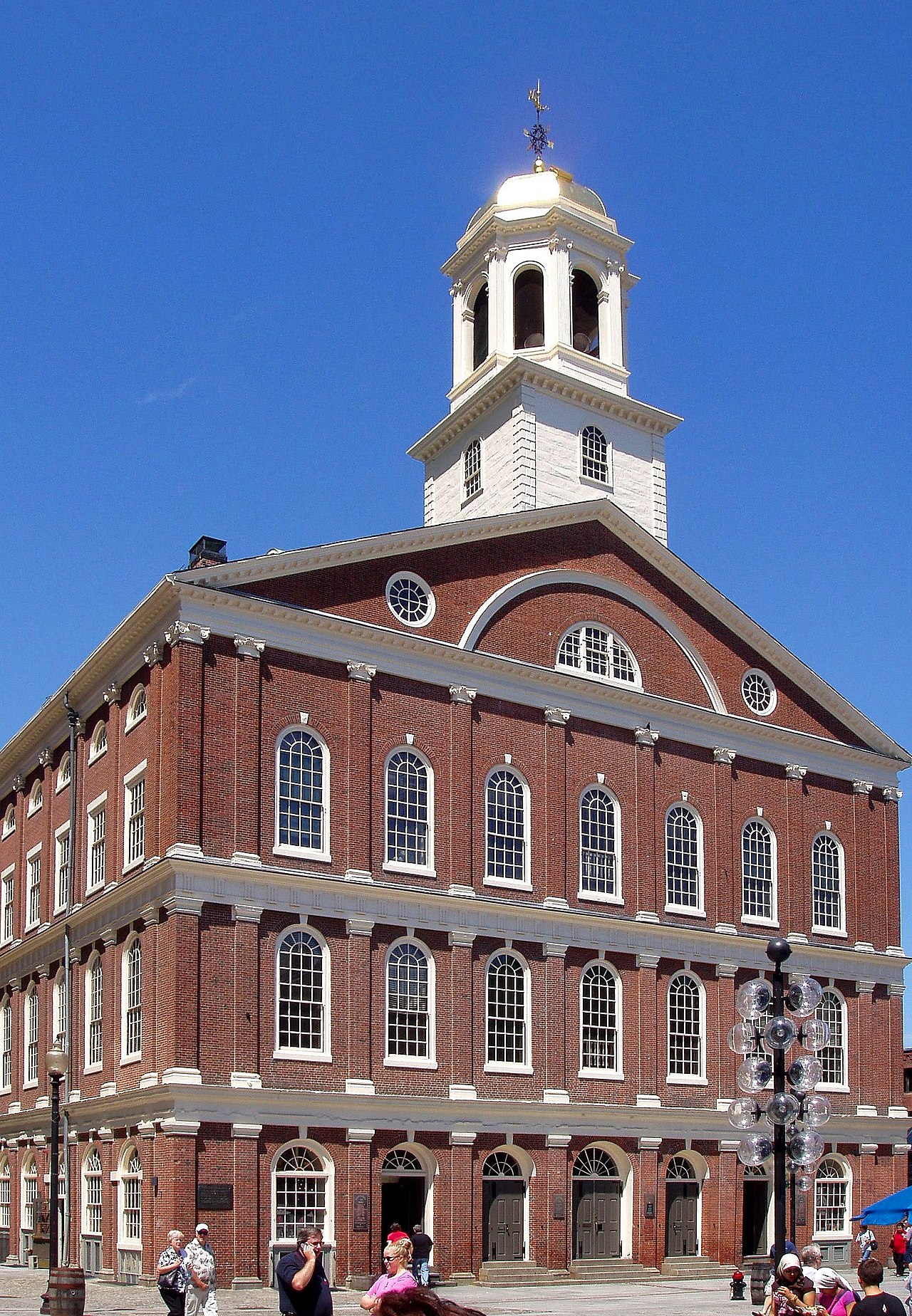
- Faneuil Hall – an 18th‑century market and meeting place long associated with public debate and protest; see Faneuil Hall.
- Old North Church – the Anglican church famous for the lantern signal linked to Paul Revere’s ride; more at Old North Church.
- Old South Meeting House – a gathering site where colonists organized demonstrations, including the events that led to the Boston Tea Party.
- Old State House – one of the oldest public buildings in the city and a focal point for civic life and conflicts such as the Boston Massacre.
- Paul Revere House – the preserved home of the patriot and artisan; further information is available at Paul Revere House.
These locations are also connected by the Freedom Trail, a marked walking route that links many of Boston’s historic sites and makes the park easily accessible to visitors on foot.
The park’s interpretive mission includes exhibits, guided walks, educational programs for schools, and special events that reconstruct or explain the period’s political debates, military actions, and everyday life. At the Charlestown Navy Yard visitors may encounter naval exhibits and the museum collection associated with USS Constitution, while houses and meeting places display artifacts and period rooms illustrating civic and domestic history.
Preservation in a living city poses distinctive challenges: the Park Service balances conservation of fabric and archaeological resources with heavy urban visitation and adjacent modern development. The Boston National Historical Park is notable for bringing together military, political and maritime heritage within a compact urban landscape, offering multiple entry points for understanding the American Revolution’s local and national impact.
Related articles
Author
AlegsaOnline.com Boston National Historical Park Leandro Alegsa
URL: https://en.alegsaonline.com/art/13221