
Boston, Lincolnshire: historic market town and port on England's east coast
Boston is a historic market town and small port on the River Witham in Lincolnshire, England, notable for its medieval church, agricultural hinterland, and its link to Boston, Massachusetts.
Overview
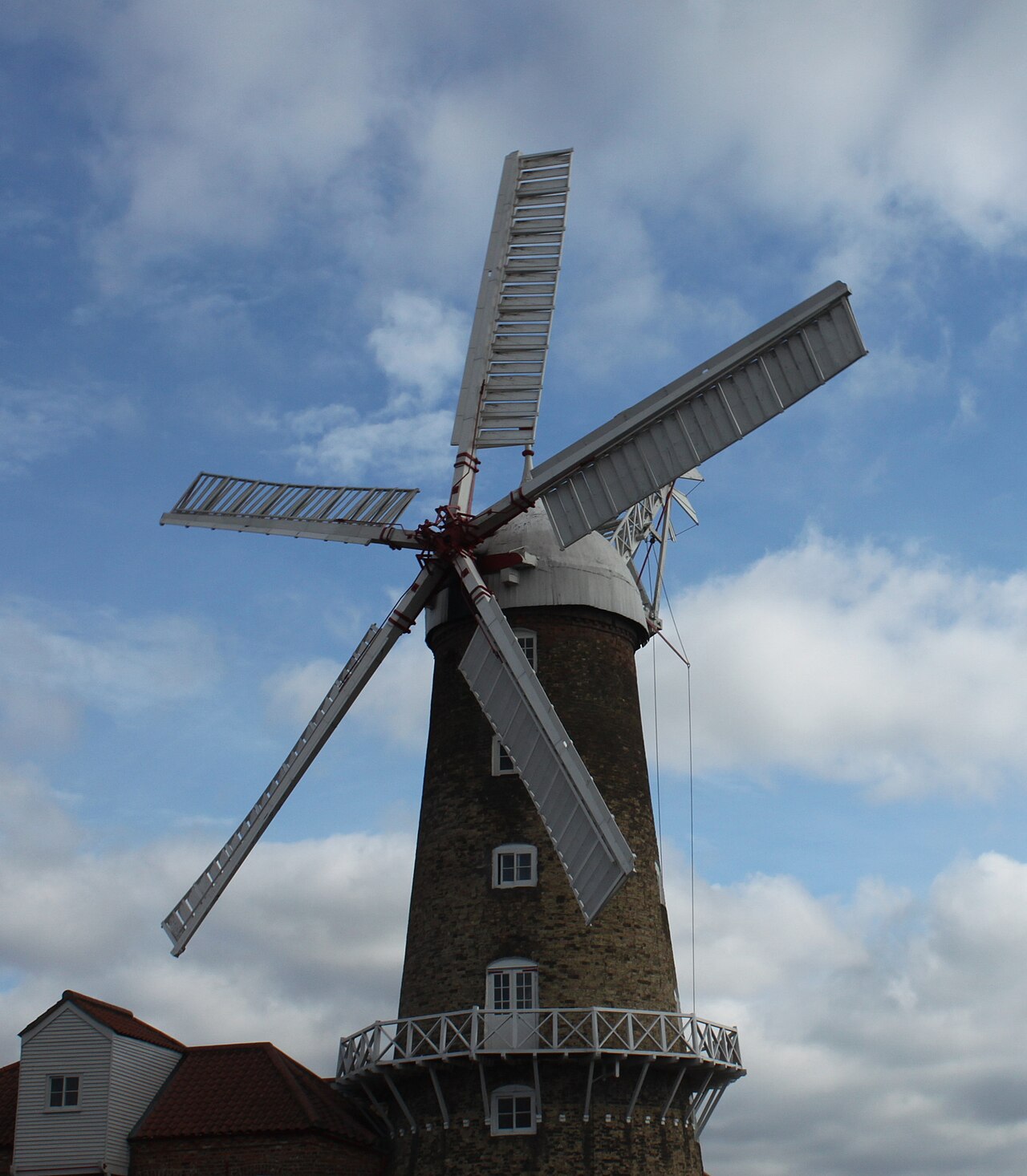
Boston is a market town and small port situated on the River Witham in Lincolnshire, on the east coast of England. It functions as a local service centre for surrounding farmland and as a modest commercial quay. The town combines an agricultural hinterland with light industry, retail trade and community services.
Image gallery
10 Images




Origins and history
The town has medieval origins and its name is commonly linked to Saint Botolph, an early English abbot; the old form is often interpreted as \'Botolph's town\'. During the Middle Ages Boston grew as a market and port, handling wool and grain for export. Over centuries its river and tidal position shaped local trade and settlement patterns.
Characteristics and landmarks
Boston is dominated by the parish church of St Botolph, locally called the "Stump" because of its tall tower and easily recognisable silhouette. Other historic buildings include the Guildhall and market square. Street patterns and older houses reflect its long commercial past.
Economy and transport
The surrounding fenlands make agriculture a major part of the local economy, with arable crops, food processing and related services prominent. The port at Boston handles small-cargo movements and leisure craft rather than large-scale container traffic. Road links connect the town to regional centres, and local rail services provide further links to larger cities.
Culture and notable facts
- Boston lent its name to Boston, Massachusetts; settlers and merchants from the English town were influential in the New World settlement.
- The town supports local sports clubs and regular markets that continue a long tradition of trade.
- Visitors come for historic architecture, riverside walks and to explore the surrounding fenland landscape.
Today Boston balances its historical identity with modern community life, serving as a focal point for nearby villages and farms while preserving notable landmarks that illustrate its maritime and market heritage.
Related articles
Author
AlegsaOnline.com Boston, Lincolnshire: historic market town and port on England's east coast Leandro Alegsa
URL: https://en.alegsaonline.com/art/13217