
Theophrastus: Greek Philosopher, Successor to Aristotle, and Early Botanist
Theophrastus (c. 371–c. 287 BC) was a Greek philosopher from Lesbos who led Aristotle's Peripatetic school and made foundational contributions to botany, natural history, and ethical and logical thought.
Overview
Theophrastus (Greek: Θεόφραστος) was an ancient Greek philosopher born about 371 BC in Eresos on the island of Lesbos. He moved to Athens as a young man and became associated with the major philosophical schools of his era. After studying for a time under Plato, he became a devoted pupil and colleague of Aristotle, who left him his writings and appointed him head of the Lyceum. Theophrastus directed the Peripatetic school for roughly three and a half decades and died around 287 BC.
Image gallery
10 Images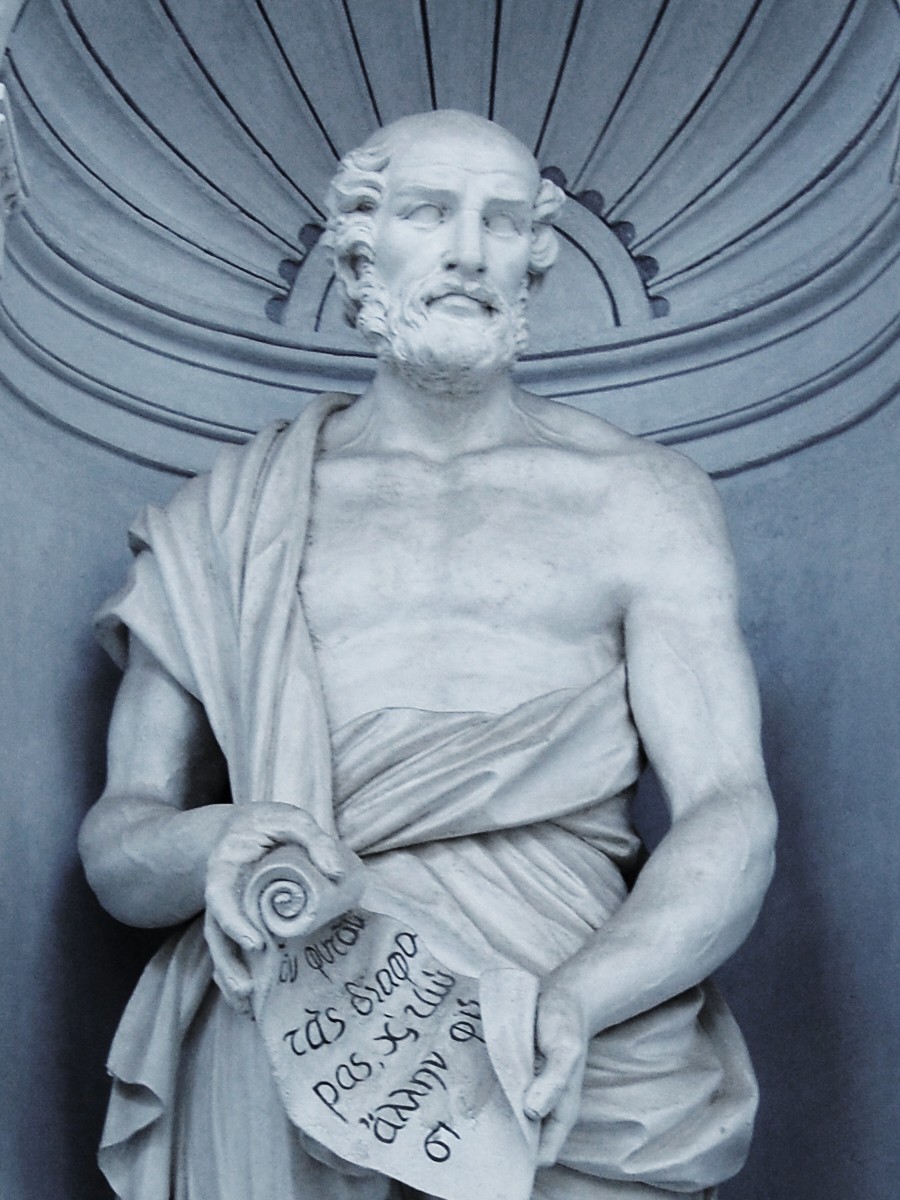



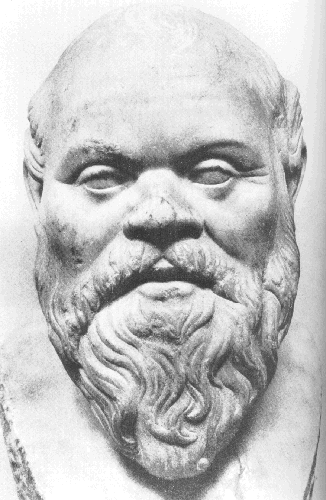

Life and intellectual context
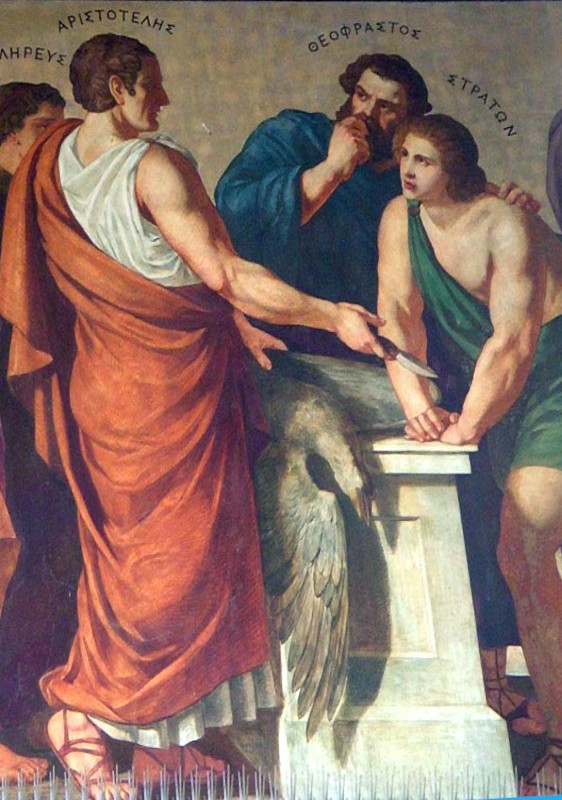
Theophrastus came from Eresos on Lesbos (Eresos, Lesbos) and made Athens his intellectual home (Athens). Early in his education he spent time in Plato's Academy (Plato's school), but his philosophical orientation shifted toward Aristotle's empirical and systematic approach. When Aristotle returned to Athens and founded the Lyceum (the Lyceum), Theophrastus became one of its leading members and eventually its head, guiding teaching and research in philosophy, natural science, and rhetoric.
Major works and areas of study
Theophrastus produced writings across a wide range of subjects. He is best known for his systematic treatments of plants, which established him as a pioneering figure in botanical science. Key surviving works include:
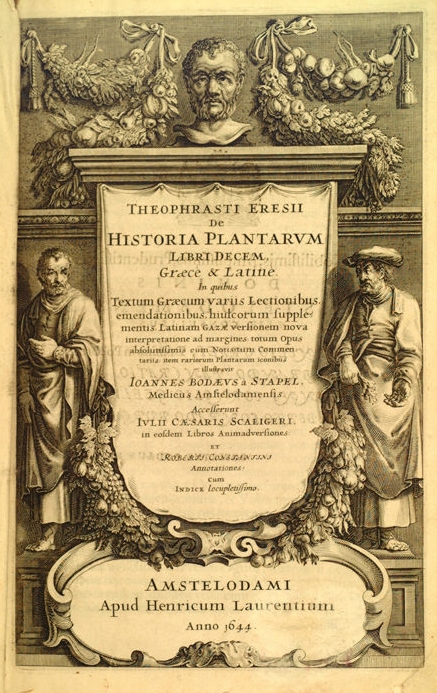
- Enquiry into Plants (Historia Plantarum) — descriptions of plant structure, classification, growth habits, and uses.
- On the Causes of Plants — discussions of factors influencing plant development and reproduction.
- Characters — a collection of brief sketches depicting common moral types and social manners.
Because of these botanical writings he is often called the "father of botany" (father of botany) and his studies of flora are sometimes summarized as works on plants. Beyond botany, Theophrastus wrote on ethics, metaphysics, logic, and meteorology; although many of those texts survive only in fragments or through later authors.
Method and influence
Theophrastus combined careful observation with practical classification. His approach emphasized field observation, comparative description, and an attempt to group plants by shared features — methods that anticipated later botanical practice. At the Lyceum he continued Aristotle's emphasis on empirical inquiry and maintained the school's reputation as a center for organized learning. Theophrastus also influenced subsequent Hellenistic and Roman scholars and was read by medieval and early modern naturalists who sought classical authorities on plants and medicine.
Legacy and notable facts
During his lifetime and after his death he was respected in Athens and elsewhere; ancient sources report that the city granted him a public funeral. He was succeeded as head of the Peripatetic school by Strato of Lampsacus. Today Theophrastus is remembered both for his leadership of Aristotle's school and for laying groundwork in disciplines that would evolve into modern botany, ecology, and aspects of descriptive biology.
Further reading and reference entries often provide translations and commentary on his botanical treatises and ethical writings. For concise entries and manuscript histories see standard classical handbooks and specialized studies on Hellenistic science and Peripatetic philosophy. Researchers also trace how his taxonomic ideas influenced later botanical classification and medicinal plant knowledge.
Related links: name in Greek, birthplace, Aristotle connection, Athens, Plato's school, Lyceum, father of botany, works on plants.
Author
AlegsaOnline.com Theophrastus: Greek Philosopher, Successor to Aristotle, and Early Botanist Leandro Alegsa
URL: https://en.alegsaonline.com/art/131761