
Theodosius I (Theodosius the Great): Roman Emperor, 379–395
Roman emperor who consolidated imperial authority, promoted Nicene Christianity as the state church, negotiated with Gothic federates, and shaped late Roman law and church–state relations.
Overview
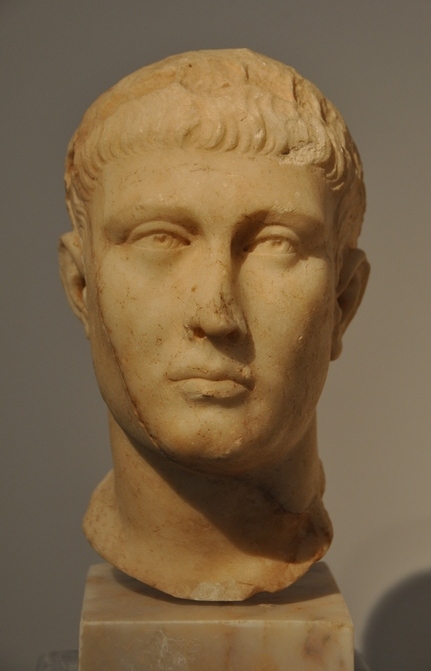
Theodosius I (born 347, died 395), often called Theodosius the Great, was a Roman emperor whose reign from 379 to 395 marked a turning point in the later Roman Empire. A career military officer and the son of a general, he rose to supreme power during a period of military crisis and internal division. His rule combined military settlement of frontier pressures, legal measures to strengthen Christianity, and administrative acts that affected the relationship between emperors and bishops.
Image gallery
10 Images




Military career and rise to power
Before becoming emperor Theodosius served as a senior commander in the Roman army. He was appointed augustus of the eastern provinces after the death of Emperor Valens at the Battle of Adrianople; the western emperor Gratian accepted him as a colleague. Theodosius faced immediate challenges on the empire’s borders and within its politics. He negotiated with the migrating Gothic groups, concluding arrangements that allowed many Goths to settle inside imperial territory as foederati. Domestically, he defeated rival claimants and suppressed revolts, resolving a series of civil wars and usurpations that threatened imperial unity.
Religious policy and legislation
Theodosius is widely remembered for elevating Nicene Christianity through imperial law. In 380 he issued what is commonly known as the Edict of Thessalonica, which recognized the orthodox form of Christianity and gave it privileged status. Under his rule the emperor and the state increasingly supported the institutional church, and successive laws restricted pagan cult practices and certain non‑Christian rites. These measures helped to make Christianity more central to public life and are often summarized by the statement that he made Christianity the official state religion, though implementation varied across regions and decades.
Relations with church leaders and notable incidents
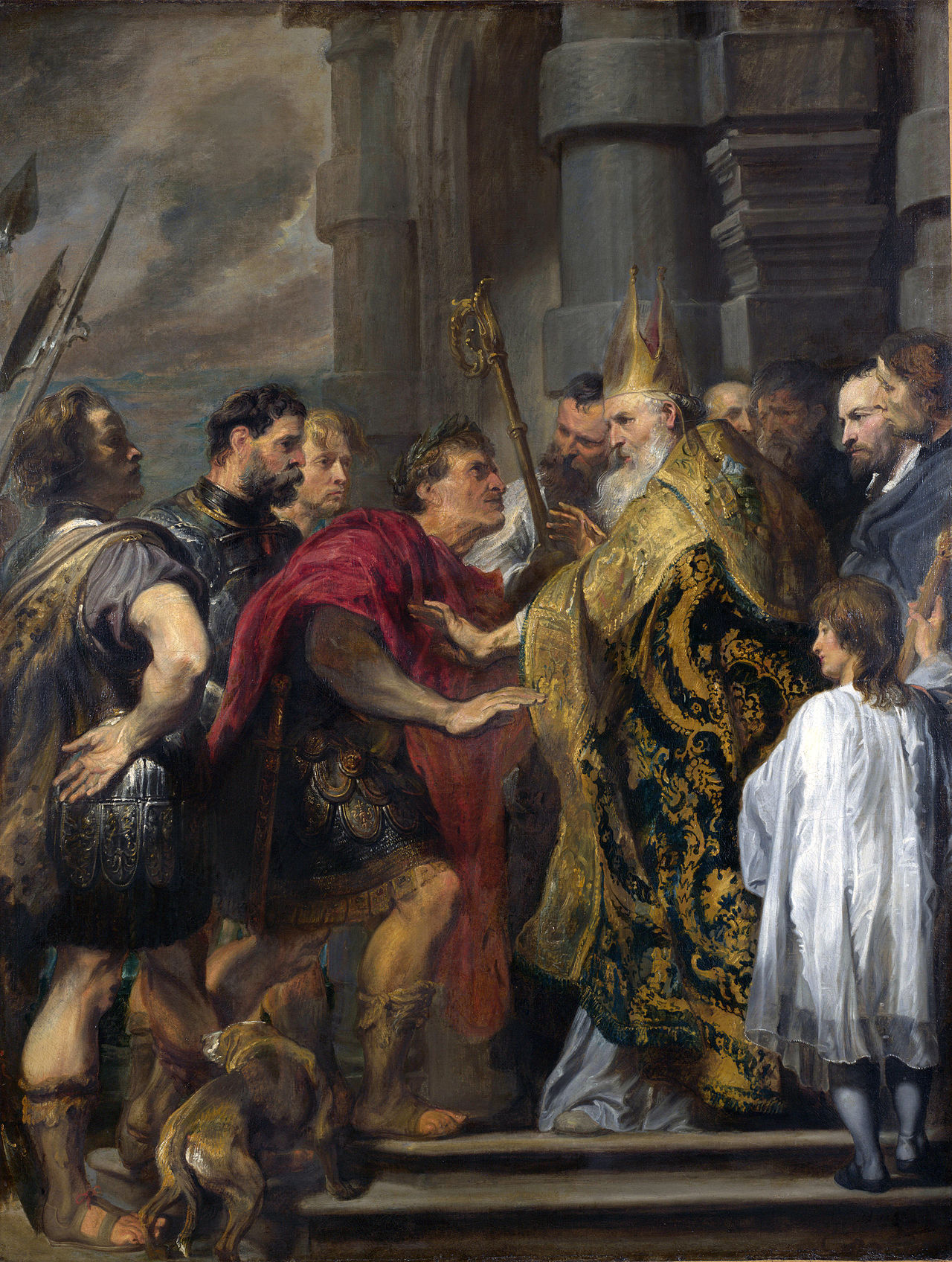
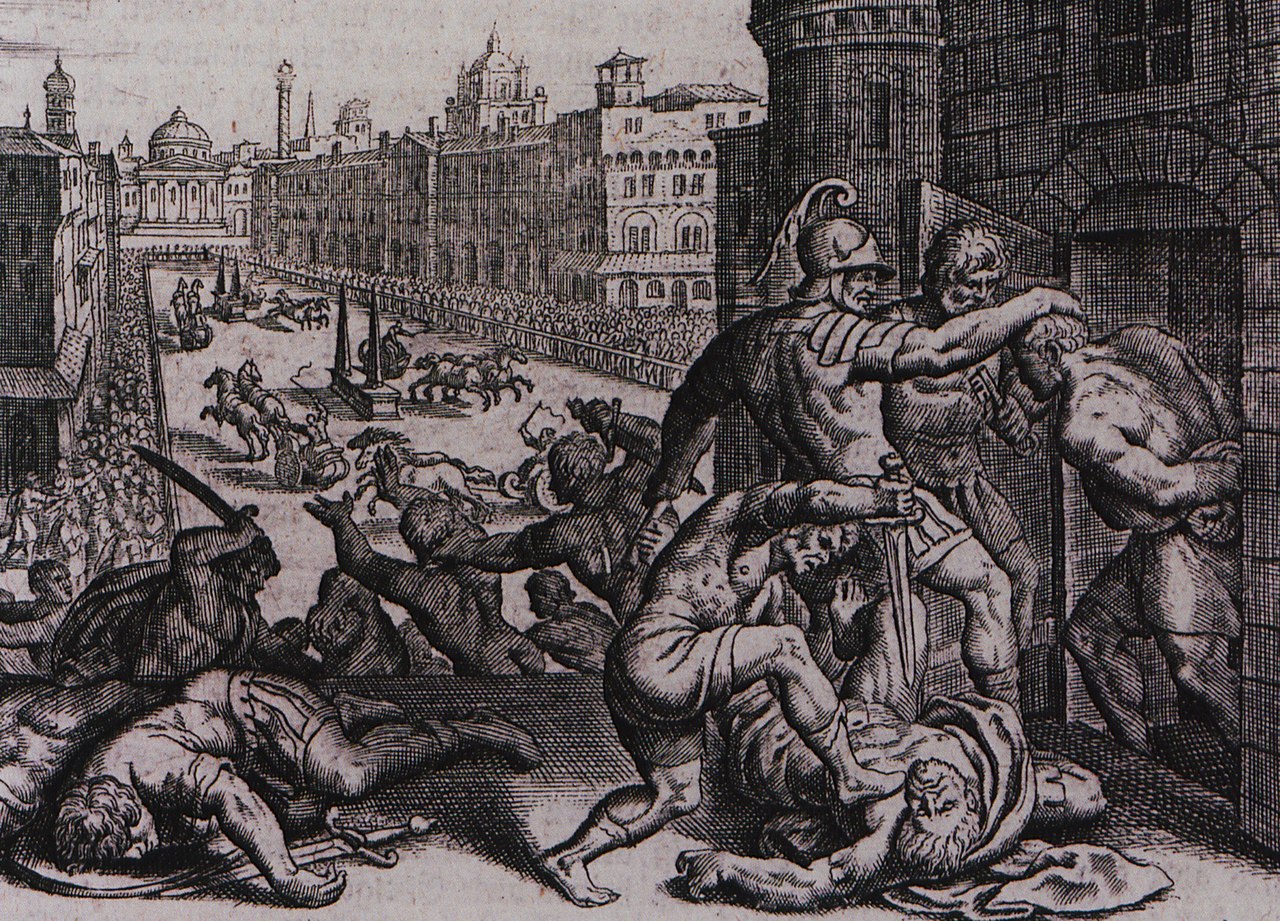
Theodosius worked closely with prominent bishops, notably Ambrose of Milan, who exerted moral pressure on imperial conduct. After the emperor ordered a violent suppression of a riot in Thessalonica, which resulted in many civilian deaths, Ambrose compelled him to perform public penance — an episode that illustrated the growing authority of church leaders over imperial behavior. Theodosius also convoked and supported ecclesiastical gatherings, including the Council of Constantinople in 381, which shaped definitions of orthodox doctrine.
Government, succession and the end of his reign
Politically Theodosius preserved central authority while relying on powerful military officials to govern distant provinces. He defeated major usurpers in the West, including Magnus Maximus and later Eugenius, consolidating his control before his death. On his deathbed he left the empire divided between his sons, with Arcadius ruling the East and Honorius the West; this division is often treated as the point when the imperial administrations of east and west took on a more permanent, separate character.
Legacy and significance
Theodosius’s reign had lasting consequences for the Roman world. His religious legislation and support for the Nicene church helped establish a template for church–state relations in late antiquity. His settlement with barbarian groups influenced later patterns of federate service and settlement inside Roman borders. Historians view him as a formidable but complex ruler: a capable general and administrator who also presided over increasingly interventionist religious policy and a transformed political landscape. Key moments from his life and reign include his elevation after Adrianople, the settlement with the Goths, defeats of western usurpers, the Edict of Thessalonica, the Council of Constantinople, and his penance to Ambrose.
Key events
- Appointment as eastern emperor following Valens’ death and the Gothic wars (Goths).
- Military victories over western usurpers and restoration of imperial authority (civil wars).
- Edict recognizing Nicene Christianity and subsequent measures affecting other religions (Christianity, state religion).
- Confrontation with church leaders and precedent-setting penance.
Author
AlegsaOnline.com Theodosius I (Theodosius the Great): Roman Emperor, 379–395 Leandro Alegsa
URL: https://en.alegsaonline.com/art/131760