
Studs Terkel: American oral historian, author and broadcaster
Studs Terkel (1912–2008) was a Chicago-based author, oral historian, actor and broadcaster famed for recording ordinary Americans' lives; his book The Good War won the 1985 Pulitzer Prize.
Louis "Studs" Terkel (May 16, 1912 – October 31, 2008) was an American author, historian, actor and broadcaster who made his career in Chicago. He is best known for pioneering work in oral history: long-form interviews with a wide range of people whose reminiscences together sketch social change and everyday experience in the 20th century. His approach foregrounded first-person testimony and conversational reporting rather than formal analysis.
Image gallery
5 Images

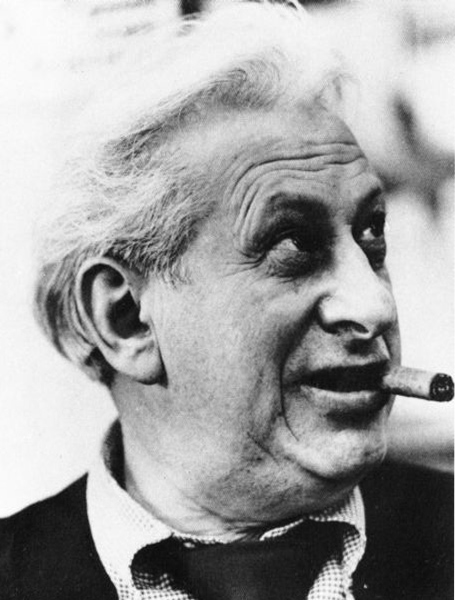


Style and method
Terkel's recordings and books present unvarnished recollections from workers, veterans, immigrants, entertainers and citizens. He preferred to let interviewees speak at length, preserving dialect, humor and contradiction. The result is a composite portrait built from individual voices, useful to readers and researchers who want grounded accounts of labor, war, race and popular culture. This technique placed oral history in a more public and literary setting than many earlier academic surveys.
Major works and honors
- The Good War — a widely read collection of World War II memories that earned Terkel the Pulitzer Prize in 1985.
- Working — interviews about employment and the meaning of work in modern life.
- Other books and recordings that document neighborhoods, music, and political life in America.
In addition to his books, Terkel hosted a long-running radio program in Chicago, where he interviewed writers, activists, performers and ordinary people, bringing oral testimony to a broad audience and helping to shape public conversation about memory and identity.
He lived and worked primarily in Chicago, and his interests ranged from labor history to folk music and civil rights. His manner was accessible and combative in turn: he encouraged frankness, asked persistent questions, and resisted simple heroic narratives. The oral histories he compiled are valued for preserving the texture of daily life and for creating a democratic archive of personal stories.
Notable personal facts include the origin of his nickname: "Studs" began as a stage moniker, adopted when a director called him that to avoid confusion with another actor named Louis; the name stuck and became his public identity. For readers and listeners seeking further context and biographical detail, see additional references and archival collections linked below: bio, bibliography, performances, broadcasts, Chicago resources, awards and citations.
Author
AlegsaOnline.com Studs Terkel: American oral historian, author and broadcaster Leandro Alegsa
URL: https://en.alegsaonline.com/art/131397