
Steve Prefontaine: American Distance Runner and Running Icon
Steve Prefontaine (1951–1975), nicknamed "Pre", was an American distance runner, University of Oregon star, set multiple American records and placed fourth in the 5,000 m at the 1972 Munich Olympics.
Overview: Steve Roland Prefontaine (January 25, 1951 – May 30, 1975), widely known as "Pre," was a celebrated American distance runner. He became a national figure in the early 1970s for his aggressive racing style, record-setting performances on the track, and role in the popularization of road and track running in the United States.
Image gallery
6 Images
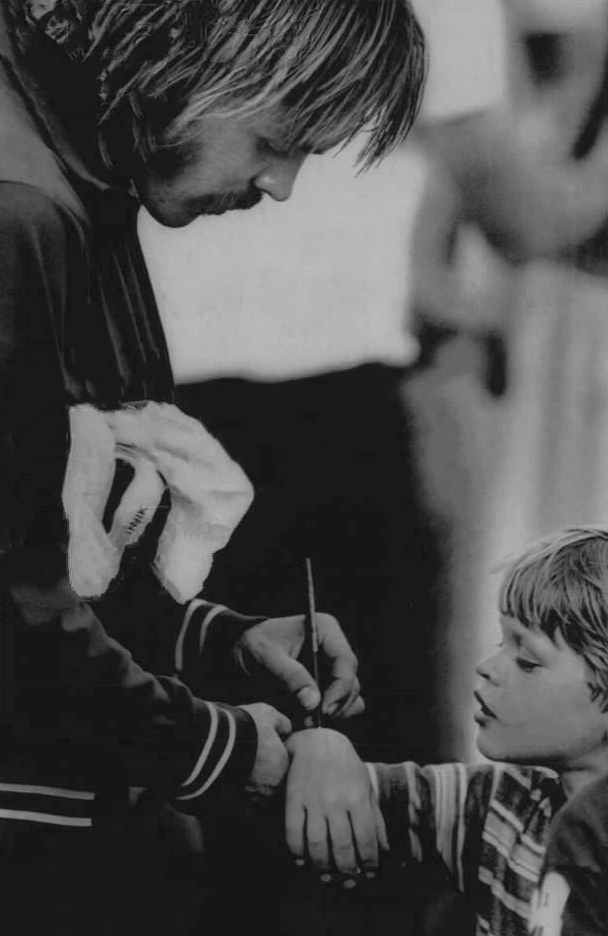
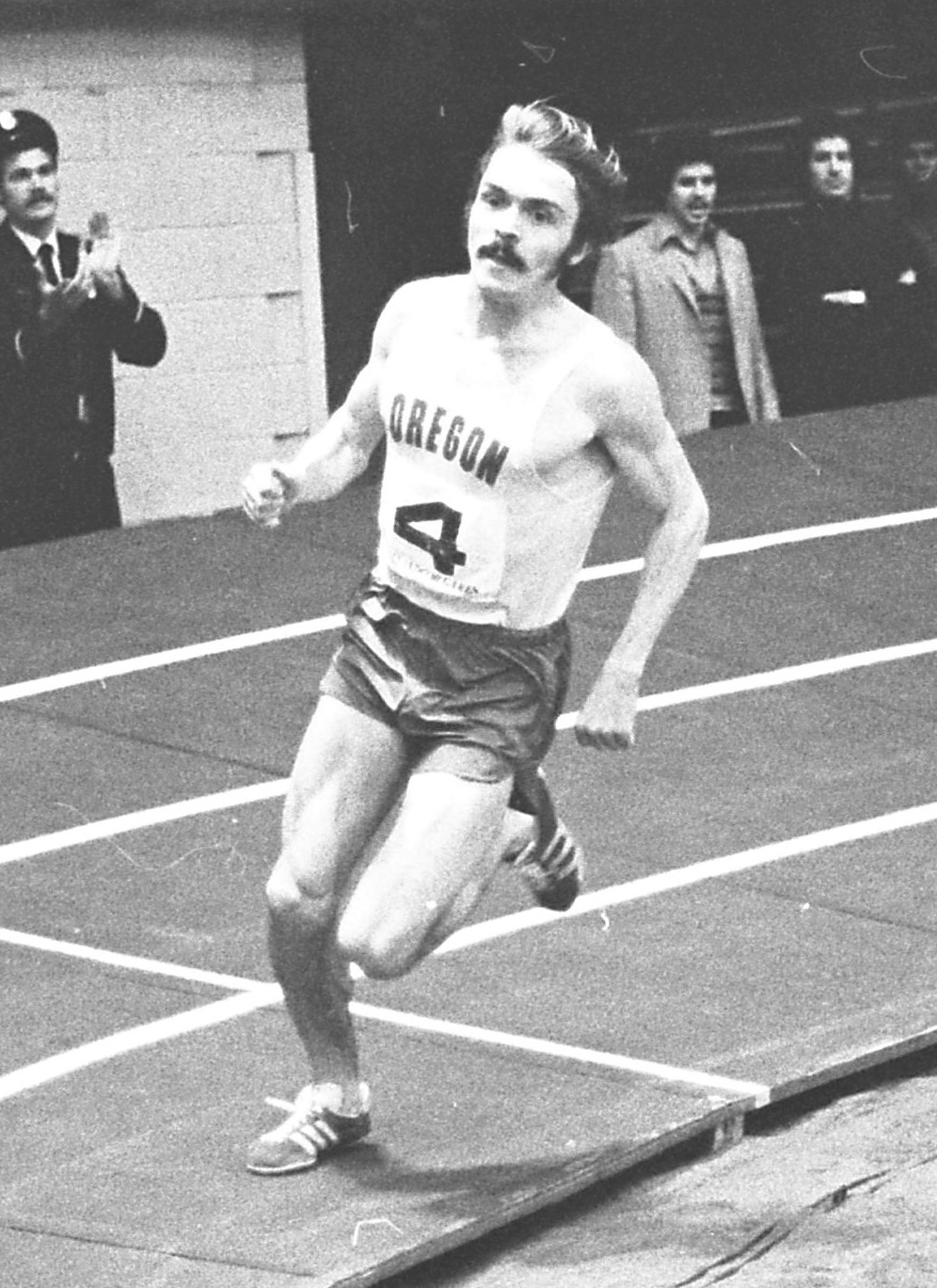

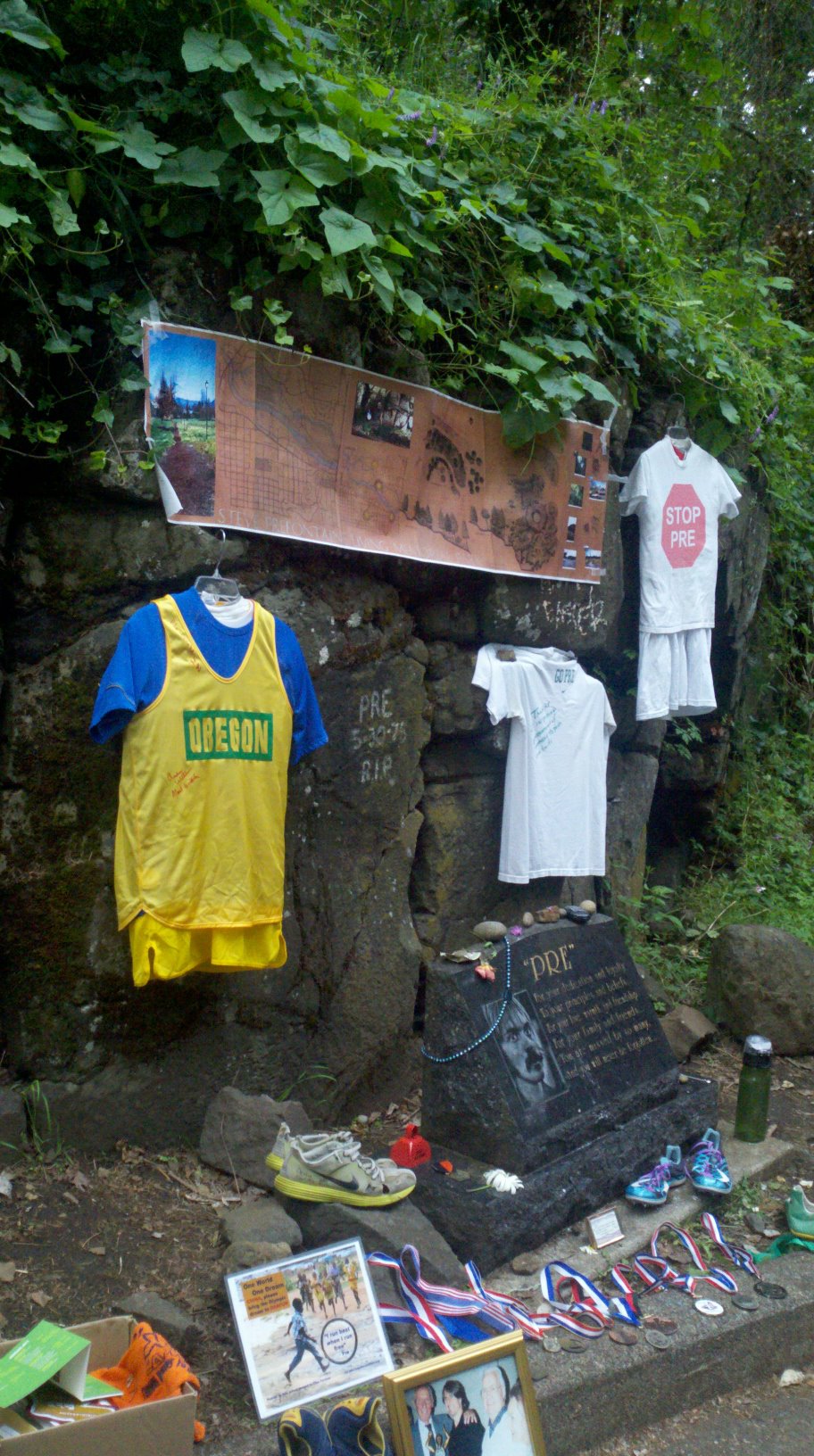

College and coaching
Prefontaine came to prominence while competing in college athletics for the University of Oregon. There he trained under coach Bill Bowerman, a pivotal figure in American track and field who also played a role in early running shoe development. Another contemporary coach and mentor is often linked to the program; see Bowerman for more on his methods and influence.
Racing style and achievements
Prefontaine was known for front-running—taking the lead early and testing rivals' endurance by maintaining a relentless pace. During his brief career he pushed American distance running standards and compiled a string of notable results and records.
- Set multiple American records at distances ranging roughly from 2,000 to 10,000 meters.
- Dominated many collegiate competitions and was a central figure in the U.S. track scene of his era.
- Helped raise public interest in running at a time when recreational distance running was growing rapidly.
Olympics and international competition
Prefontaine represented the United States at the 1972 Summer Olympics in Munich, Germany. Competing in the 5,000-meter final, he finished just off the podium in fourth place — the only Olympic appearance of his career — a performance that nonetheless enhanced his reputation as a tenacious competitor.
Death and legacy: Prefontaine died in a car accident in May 1975 at age 24. His premature death elevated his status to that of a cultural icon for American runners. Events and memorials, most notably the annual Prefontaine Classic held in Eugene, honor his memory and continue to draw attention to his contributions to the sport.
Notable facts: Prefontaine's style and public persona influenced a generation of athletes and fans, contributing to the running boom of the 1970s. He is remembered both for his performances on the track and for helping to shift attitudes about athlete sponsorship, equipment development, and the place of distance running in American sports culture.
Author
AlegsaOnline.com Steve Prefontaine: American Distance Runner and Running Icon Leandro Alegsa
URL: https://en.alegsaonline.com/art/131339