
Steve McQueen (British director and artist)
British filmmaker and visual artist Steve McQueen (born 1969), known for films Hunger, Shame, 12 Years a Slave, Widows and the Small Axe anthology, and for a parallel contemporary art practice.
Steve McQueen (born 9 October 1969) is a British film director and visual artist whose work crosses cinema, video and contemporary art. He first established a reputation in the art world before moving into feature filmmaking. McQueen's projects are widely noted for rigorous visual composition, sustained long takes and a focus on bodies, memory and social history. He is a Commander of the Order of the British Empire (CBE).
Image gallery
7 Images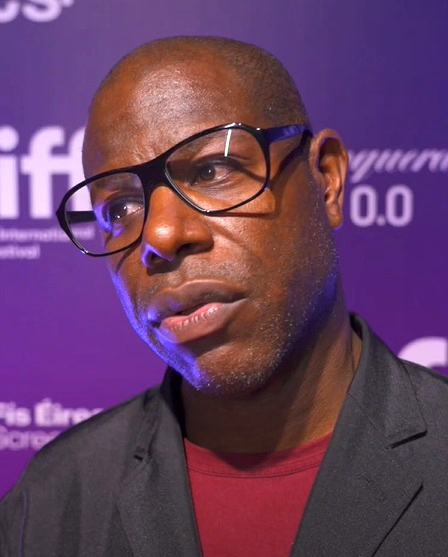


Early life and art practice
McQueen was raised in London and trained in the visual arts. He produced work for galleries and museums that often used film and installation to explore human presence and historical traces. His art pieces circulated in major exhibitions and led to wider public recognition, providing a foundation for his narrative filmmaking. For more on his exhibitions and early work see biographical resources.
Feature films and television
McQueen made his feature debut with Hunger (2008), a spare dramatization that introduced his spare aesthetic and collaboration with actor Michael Fassbender. He followed with Shame (2011), a psychological portrait of desire and isolation, and achieved mainstream acclaim with 12 Years a Slave (2013), an adaptation of Solomon Northup's memoir about enslavement in the United States. That film won the Academy Award for Best Picture and raised McQueen to international prominence. He later directed Widows (2018), a crime drama, and the Small Axe anthology (2020), five films for television that examine the experiences of West Indian communities in London.
- Hunger (2008) — debut feature, noted for formal rigor.
- Shame (2011) — intimate study of addiction.
- 12 Years a Slave (2013) — historical drama that won Best Picture.
- Widows (2018) — heist drama with social overtones.
- Small Axe (2020) — anthology about London’s Caribbean community.
For a fuller filmography and credits consult film reference pages and archives: filmography resources. His projects often cross the boundaries between gallery presentation and public cinema, reflecting his dual background.
Approach, themes and recognition
McQueen's work commonly engages history, race, class and the physical presence of actors. Critics note his control of rhythm and image, and his willingness to confront difficult subjects with formal restraint. He has received major international awards and festival recognition for both cinematic and art works. Additional commentary and interviews about his methods and influences can be found at art and film platforms: related resources.
Because his name is shared with the American actor Steve McQueen (1930–1980), writers often clarify him as Steve McQueen the director or Steve McQueen (born 1969) to avoid confusion. His career continues to blend gallery practice and narrative filmmaking, contributing to contemporary conversations about film, history and identity.
Author
AlegsaOnline.com Steve McQueen (British director and artist) Leandro Alegsa
URL: https://en.alegsaonline.com/art/131332