
Stanley 'Tookie' Williams: Crips co-founder, convict, and anti-gang activist
Biography of Stanley 'Tookie' Williams: early life, co-founding the Crips, 1979 murders and conviction, prison-era anti-gang writings and outreach, appeals, clemency campaign and execution.
Stanley "Tookie" Williams (December 29, 1953 – December 13, 2005) was an American figure widely known both for his role in founding a major street gang in Los Angeles and for later anti-gang advocacy while serving a death sentence. His life and case drew sustained public attention because they intersected with issues of gang formation, violent crime, rehabilitation efforts in prison, and the death-penalty debate.
Image gallery
1 Image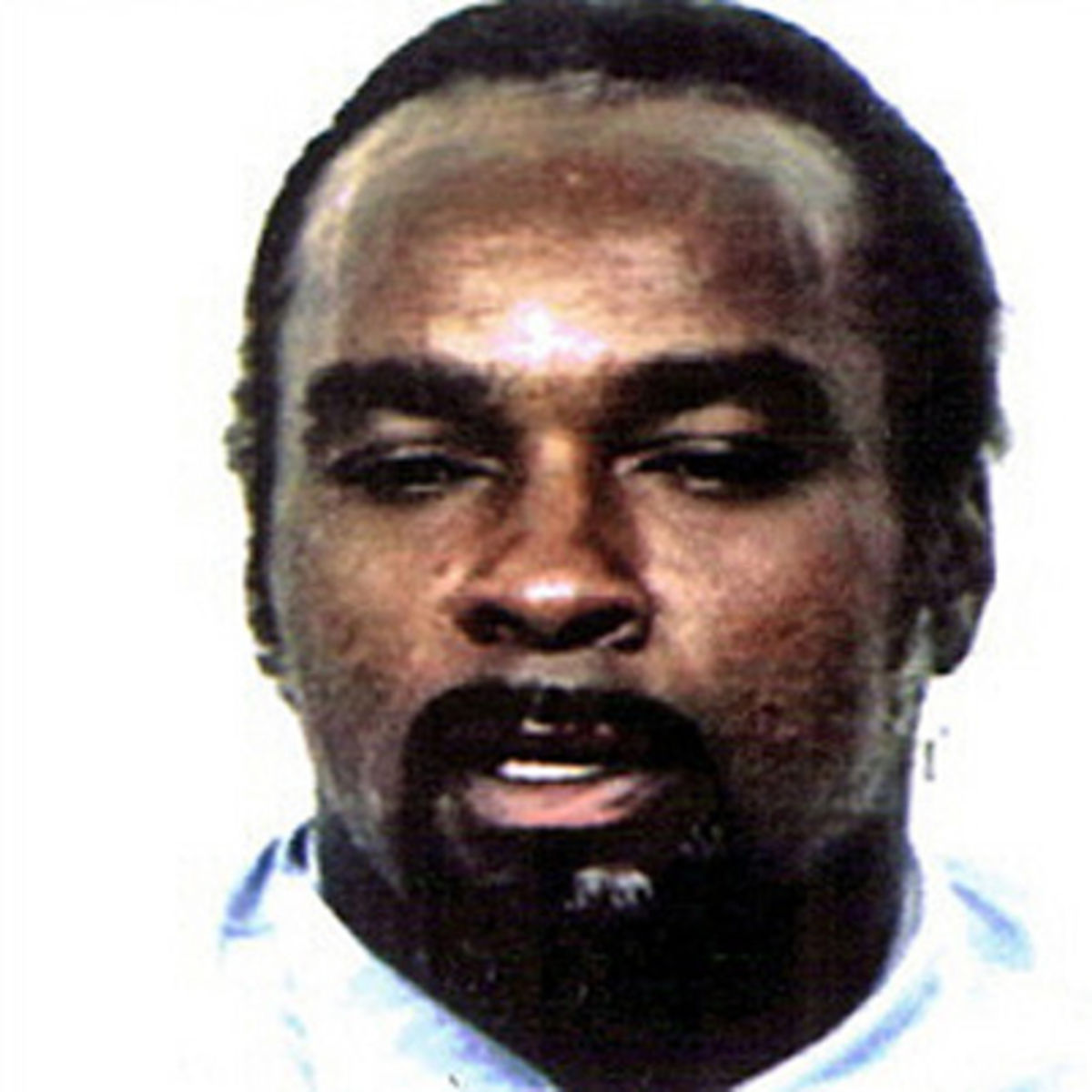
Early life and the Crips
Williams was born in New Orleans, Louisiana, and moved with his family to Los Angeles, California, as a child. In the late 1960s and early 1970s he became associated with a group of young men in South Central Los Angeles. Together with others, including Raymond Washington, he is credited with helping to establish a gang that came to be known as the Crips. The group expanded rapidly in local neighborhoods and became a defining part of Los Angeles gang history, with enduring social and cultural consequences for the city.
Criminal convictions and the 1979 killings
In 1979 Williams was arrested and later tried for a series of armed robberies during which four people were killed. Prosecutors presented surveillance footage, witness testimony and other evidence; he was convicted of multiple counts of first-degree murder and robbery. Court records and reporting of the time describe these events and the evidence; summaries of the legal proceedings are available in public case files and news archives (case documents). Williams received a sentence of death following the convictions.
Prison writings and anti-gang outreach
While incarcerated, Williams produced writings aimed at discouraging young people from joining gangs and at describing his own life experiences. He authored pamphlets, essays and material intended for schools and community groups, and corresponded with activists, educators and journalists about possible alternatives to gang involvement. Supporters pointed to these efforts as evidence of rehabilitation and urged that they be considered in clemency appeals; others argued that his criminal convictions and the gravity of the offenses warranted continued punishment.
Appeals, clemency efforts and execution
Williams pursued post-conviction appeals and filed petitions for clemency over many years. His case attracted campaigns on both sides: some anti–death-penalty activists, community leaders and public figures sought mercy, while many victims' relatives, officials and members of the public called for the sentence to be carried out. In 2005 the governor of California denied clemency, and Williams was executed by lethal injection at San Quentin State Prison in December of that year.
Evidence and public record
Contemporary reporting and court proceedings noted that the robberies were captured on surveillance cameras and that witness testimony played a central role at trial. Summaries of the evidence and the appeals process are found in archives and legal summaries; researchers and readers often consult contemporary news accounts and court files for primary details about the trials and rulings (robbery evidence and trial reporting).
Legacy and contested interpretations
The life of Stanley Williams is discussed in multiple, sometimes opposing, contexts. He is a central figure in histories of gang formation in Los Angeles and remains a reference point in debates about whether prison-based advocacy constitutes genuine rehabilitation. His supporters emphasized his anti-gang writings and outreach, while critics and many victims' families emphasized accountability for violent crimes. Scholars and practitioners use his story when examining how youth are drawn into gang life and how public policy addresses violent offending.
- Origins: Early 1970s co-founding of the Crips in Los Angeles.
- Conviction: Convicted in 1979 of multiple murders and robberies; evidence included video and witness testimony.
- Prison activity: Wrote anti-gang material and engaged in outreach while incarcerated.
- Controversy: High-profile appeals and clemency debates prior to execution; the case remains cited in discussions of capital punishment.
For broader context see materials on urban crime and gang history in California and Los Angeles, regional background in Louisiana, and historical profiles of gang formation (Crips) and criminal-justice responses (case records, biographical summaries). Readers seeking primary-source documents may consult archival news reports, court opinions and official records held by state repositories (trial coverage, execution records).
Discussions of Williams today continue to reflect differing perspectives on redemption, punishment and how society can prevent youth violence and support alternatives to gang involvement.
Author
AlegsaOnline.com Stanley 'Tookie' Williams: Crips co-founder, convict, and anti-gang activist Leandro Alegsa
URL: https://en.alegsaonline.com/art/131138