
Stanley Cavell — American philosopher of language, ethics, and aesthetics
Overview of Stanley Cavell (1926–2018), his central ideas in ordinary language philosophy, aesthetics, moral perfectionism, work on film and literature, career at Harvard, and lasting influence.
Stanley Louis Cavell (September 1, 1926 – June 19, 2018) was an American philosopher known for an unusually wide blend of analytic precision, literary sensibility and cultural criticism. He served for many years at Harvard University and wrote across several interconnected fields, especially ethics, aesthetics and ordinary language philosophy. Cavell combined careful readings of figures such as Wittgenstein and Heidegger with sustained attention to American writers and to popular forms like film and the novel.
Image gallery
2 Images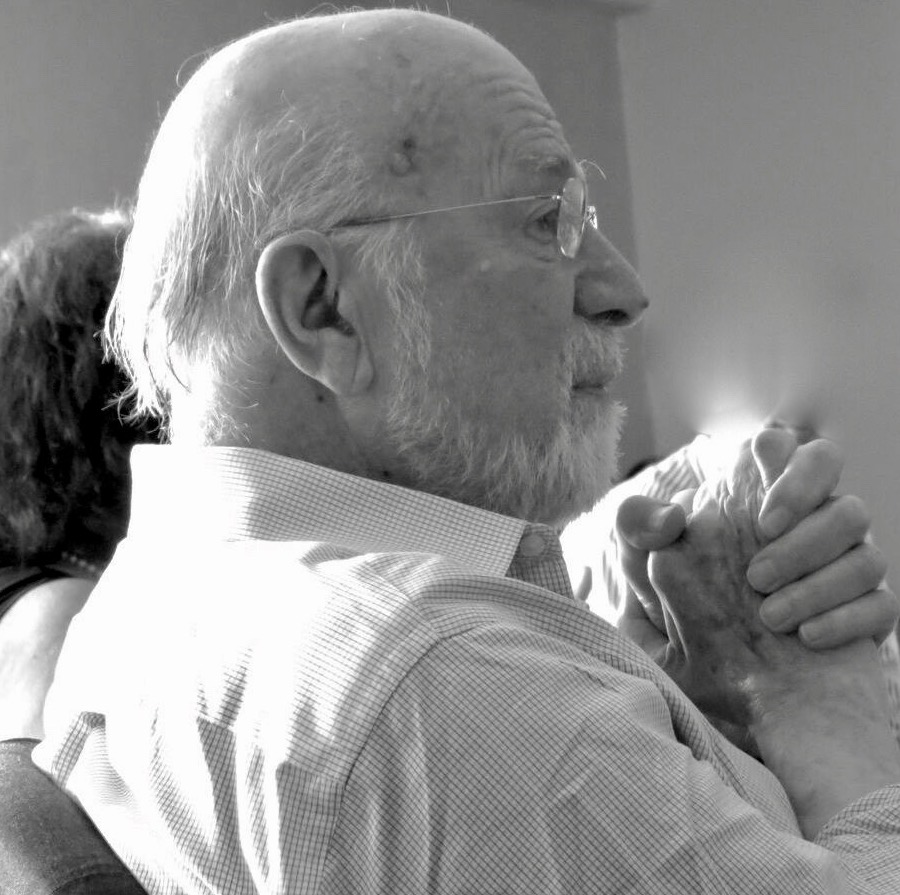

Major themes and style
Cavell is often identified with a conversational, essayistic tone that deliberately crosses the boundary between philosophy and literary criticism. He insisted that ordinary language offers resources for dissolving philosophical puzzles, following a lineage that includes J. L. Austin and Ludwig Wittgenstein. Two of his recurring concerns were skeptical doubt about other minds and the moral demand he called "moral perfectionism," which he traced to Emersonian and transcendental thought. Cavell's work on film addressed how cinematic forms engage questions of perception, representation and the moral life.
Career, influences, and approach
Trained in the analytic tradition, Cavell became notable for reading classical philosophical problems alongside literature and culture. He wrote influential studies of Emerson and Thoreau and drew on their ideas about self-relation and improvement; his essays on Ralph Waldo Emerson remain widely cited. His pedagogical and scholarly practice emphasized careful textual attention, conceptual clarity, and an openness to literary examples as philosophically illuminating.
Several of Cavell's books and essays established his reputation in different audiences. Works often associated with him include collections on ordinary language, extended treatments of skepticism and acknowledgment, and explorations of film as a philosophical medium. His writing influenced scholars in philosophy, literary studies and film studies by showing how philosophical questions can be pursued through nontechnical, interpretive work.
- Areas of work: ordinary language, ethics, aesthetics, philosophy of film
- Notable moves: emphasis on acknowledgment, moral perfectionism, reinterpretation of skepticism
- Style: conversational essays, literary reference, cross-disciplinary reach
Stanley Cavell's combination of analytic rigor and literary attention makes his work a touchstone for those who seek to bridge philosophy with literature, film and cultural history. He died in Boston of heart failure on June 19, 2018, at the age of 91. His legacy endures in the sustained interest his writings continue to generate among philosophers, critics and readers of American letters.
For further reading on Cavell's thought, one may consult collections of his essays and critical studies that trace the development of his ideas and their reception across disciplines. His body of work remains a resource for those interested in how ordinary speech, moral life and aesthetic experience inform one another.
See also discussions of Cavell's relation to J. L. Austin (Austin), Emerson (Emerson), and the broader conversations in ethics (ethics), aesthetics (aesthetics) and ordinary language philosophy (ordinary language philosophy).
Author
AlegsaOnline.com Stanley Cavell — American philosopher of language, ethics, and aesthetics Leandro Alegsa
URL: https://en.alegsaonline.com/art/131127