
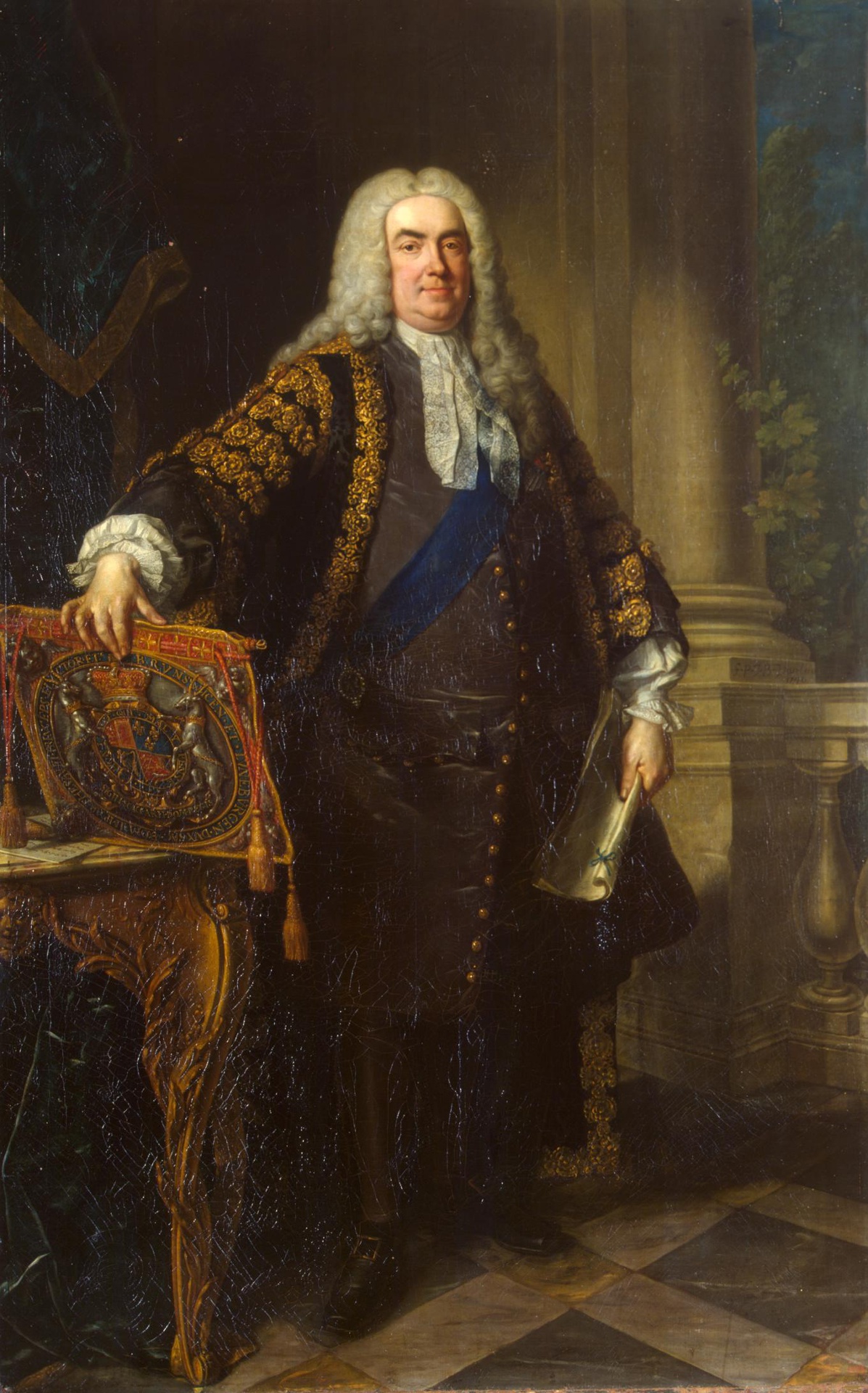
Spencer Compton, 1st Earl of Wilmington
Spencer Compton (1674–1743), a British Whig politician, served in government from 1715 and led the ministry from 1742 until his death; remembered as a conciliatory figure and coalition builder.
Overview
Spencer Compton, 1st Earl of Wilmington (1674–2 July 1743), was a prominent British Whig politician who played a steady, if not always dominant, role in early 18th-century government. He served in public office from about 1715 and is generally counted as the head of the British ministry from 1742 until his death in 1743. Contemporaries and later historians typically describe him as an experienced parliamentarian and a conciliatory administrator rather than a commanding political innovator.
Image gallery
6 Images




Political career and offices
Compton's long career involved senior parliamentary and ministerial responsibilities. He established a reputation for moderation and skill at managing parliamentary business, qualities that helped him reconcile rival Whig interests. He was created Earl of Wilmington and held several honours including membership of the Privy Council and chivalric orders.
Prime ministership and coalition management
When Robert Walpole's dominance ended in 1742, Compton emerged as a natural leader for a patchwork administration. His tenure as head of the ministry is often described as that of a caretaker or consensus builder: he provided authority and continuity while other ministers, notably the influential Secretary of State John Carteret, handled the major policy initiatives and foreign affairs. Compton's approach emphasized balancing factions and preserving stability during a politically fraught period.
Characteristics, legacy and assessment
Wilmington has been viewed by historians as an able parliamentary manager whose personal style was cautious and affable rather than combative. He left no single enduring legislative program attributed solely to his name, but his short leadership helped bridge administrations and eased transitions between stronger personalities. He died in office in 1743 and was succeeded by leaders who continued to shape Whig policy.
Further reading and resources
- Biographical overview of Spencer Compton
- Records relating to the honors and orders he received
- Privy Council papers and official appointments
- Context on the Whig party in the early 18th century
- Studies of 18th-century British statesmanship
- Chronology of ministries and prime ministers
- Accounts of the 1742–1743 coalition and its policies
- Contemporary correspondence involving John Carteret
- Archival material on parliamentary proceedings, 1715–1743
Note: Compton's reputation as a conciliator and administrator rests on broad contemporary and later assessments. He is commonly remembered as the elder statesman who helped hold together a fragile governing coalition during the final year of his life.
Author
AlegsaOnline.com Spencer Compton, 1st Earl of Wilmington Leandro Alegsa
URL: https://en.alegsaonline.com/art/131087