
Siraj ud‑Daulah: Last Independent Nawab of Bengal
Siraj ud‑Daulah (1733–1757) was the last independent Nawab of Bengal. His brief reign, confrontation with the British East India Company and defeat at Plassey paved the way for decades of Company rule in South Asia.
Overview
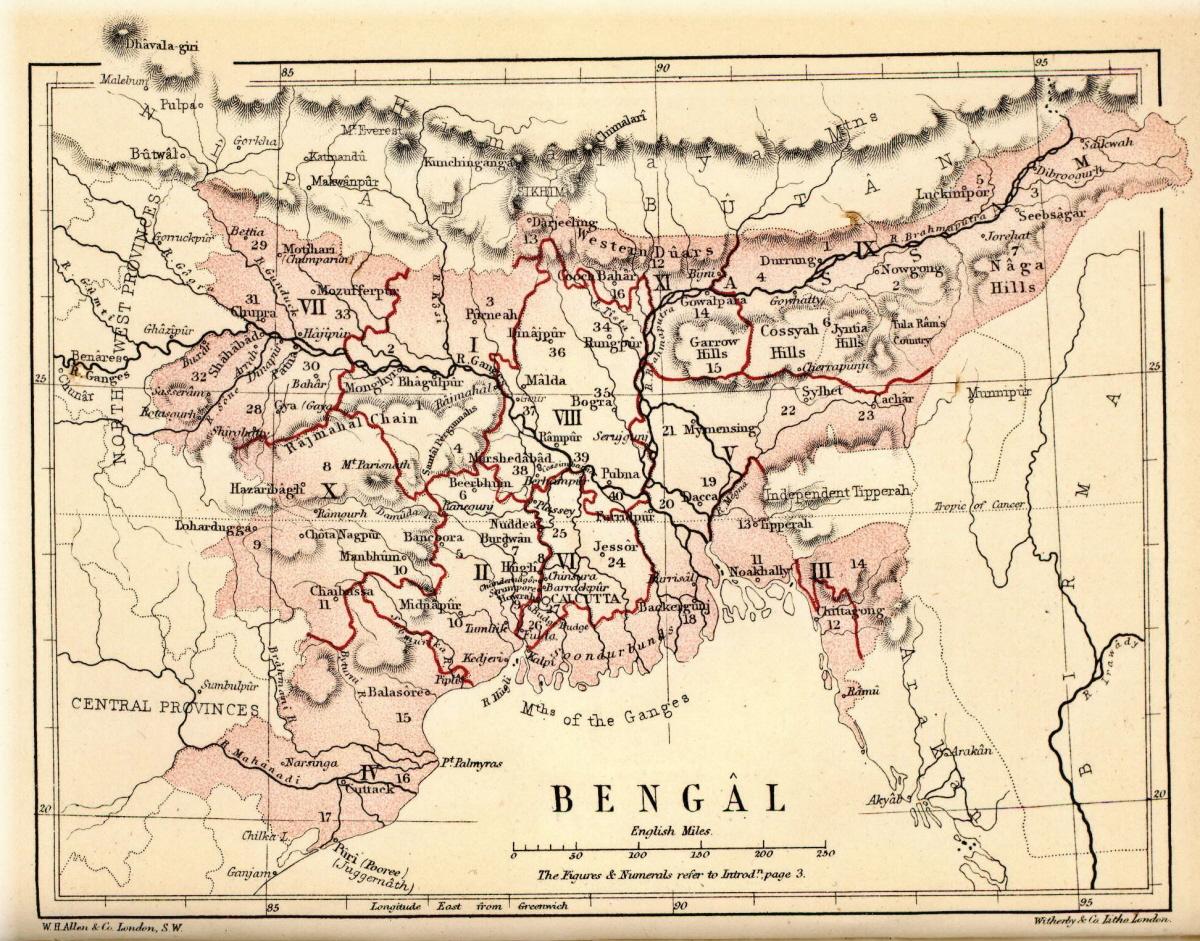
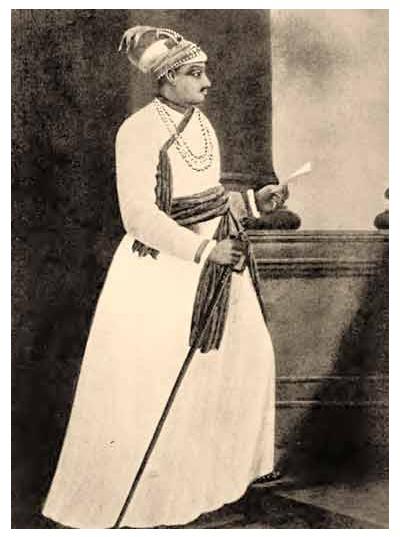
Siraj ud‑Daulah (1733 – 2 July 1757) was the last independent Nawab of Bengal, a ruler of a wealthy and strategically important province in eastern India. He came to power as a young man during a period of intense rivalry between local elites, European trading companies and the declining Mughal suzerainty. His resistance to encroachments by the British East India Company and his defeat at the Battle of Plassey made his reign a turning point in South Asian history.
Image gallery
10 Images


Rise and style of rule
Siraj was a grandson of Alivardi Khan, who had been a powerful Nawab of Bengal. He inherited a state with a rich agrarian economy, extensive trade, and a complex network of nobles and bankers. Contemporary accounts characterize him as youthful and impetuous; he attempted to assert central authority, curb the independent conduct of European factories and collect dues from influential merchants and officials who had grown accustomed to autonomy.
Clash with the Company and key events
Tensions with the British East India Company escalated over issues such as unauthorized fortification of British positions, trade privileges, and the harbouring of fugitives. In 1756 Siraj captured the Company’s principal post at Calcutta; a subsequent incident often called the "Black Hole of Calcutta" was used by the Company to rally support for retaliation, though its reported details and casualty figures are disputed.
Defeat and consequences
The Battle of Plassey (23 June 1757) ended Siraj’s effective rule after senior commanders and influential figures, most notably Mir Jafar and certain merchant interests, sided with Company forces led by Robert Clive. Following his capture he was killed on 2 July 1757. His removal enabled the Company to install a pliant Nawab and, over the next decades, to expand political and fiscal control across Bengal and beyond.
Legacy
- Marked the start of large‑scale British political dominance in Bengal and later much of South Asia.
- Highlighted the role of internal divisions, court politics and commercial interests in colonial expansion.
- Remains a contested historical figure: portrayed variously as a defender of Mughal provincial autonomy and as an inexperienced ruler undone by factionalism.
For further context about the province and the Company’s rise, see accounts of Bengal, the British East India Company and broader British expansion in South Asia.
Author
AlegsaOnline.com Siraj ud‑Daulah: Last Independent Nawab of Bengal Leandro Alegsa
URL: https://en.alegsaonline.com/art/130975