
Sint Maarten — Dutch Caribbean country (southern Saint Martin)
Sint Maarten is a constituent country of the Kingdom of the Netherlands occupying the southern half of Saint Martin. Known for tourism, it has internal autonomy while the Kingdom handles defence and foreign affairs.
Overview
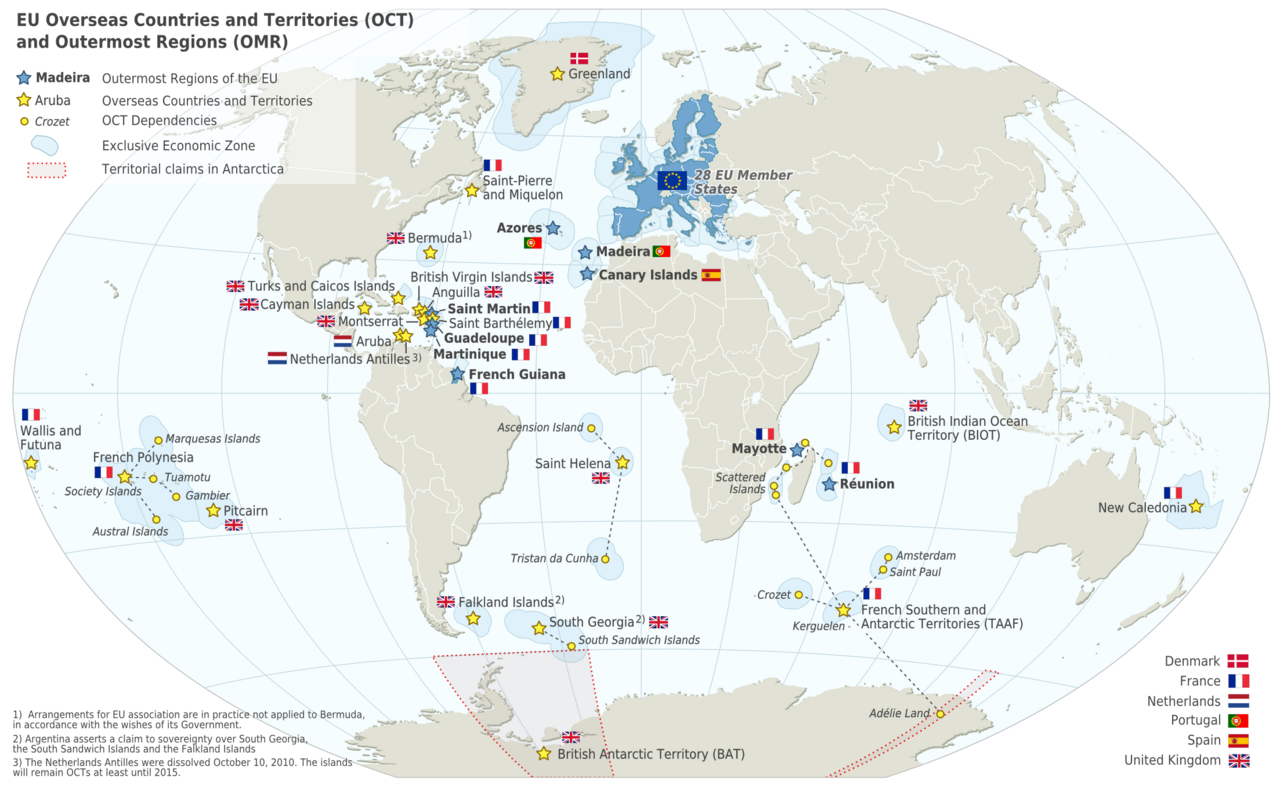
Sint Maarten is a constituent country within the Kingdom of the Netherlands, located on the southern portion of the island of Saint Martin in the Caribbean. The territory is commonly referred to by its Dutch name, Eilandgebied Sint Maarten, and its capital is Philipsburg. Although residents are citizens of the Kingdom and thus hold European Union citizenship, the territory itself is not part of the European Union and has a special constitutional arrangement with the Netherlands. The country is compact, island-based and highly reliant on travel and services.
Image gallery
10 Images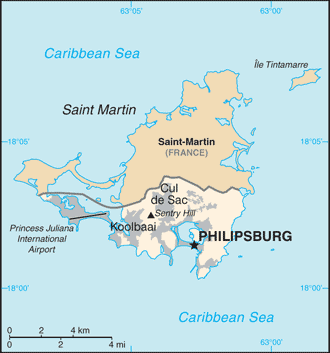




Geography and characteristics
Sint Maarten occupies the southern area of a single volcanic island shared with a French administration to the north, creating one of the few land borders between France and another state outside Europe. The terrain ranges from low coastal plains to modest hills. The climate is tropical, with a wet and a dry season, and island ecosystems include coral reefs and mangroves that support marine life and tourism activities.
Historical development and constitutional status
The island has a long colonial history shared between French and Dutch authorities, formalized centuries ago. In the modern constitutional era Sint Maarten was part of the Netherlands Antilles until that entity was dissolved; the former arrangement is often referenced as the Netherlands Antilles. Since 2010 Sint Maarten has held the status of a country within the Kingdom, granting it internal self-government while the Dutch government remains responsible for defence, foreign relations and nationality law. For an introduction to the broader Kingdom arrangements see materials on the Netherlands.
Government, law and services
Sint Maarten has its own government and parliament that manage most domestic matters such as education, public works and local taxation. Key public responsibilities—defence, diplomacy and certain aspects of justice and nationality—are handled at the Kingdom level. The island operates its own civil service and public institutions adapted to a small, tourism-oriented economy.
Economy, language and culture
The local economy depends heavily on tourism, including cruise ship calls, resort stays and duty-free shopping. The island also supports small-scale financial and commercial services, construction and retail. Dutch is an official language, but English functions as the lingua franca of daily life and commerce; local creole dialects and other languages are present because of the island's diverse population. The cultural mix blends Caribbean traditions with Dutch and French influences, reflected in cuisine, festivals and bilingual signage.
Uses, attractions and notable facts
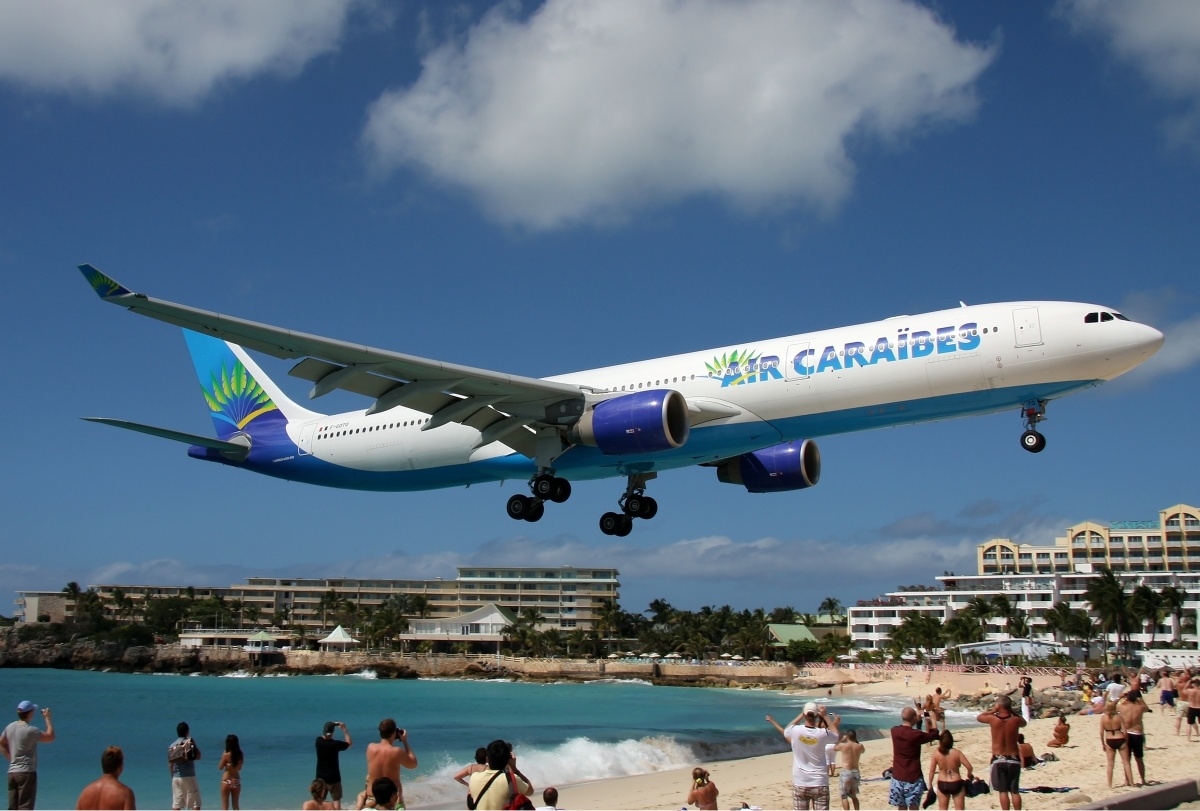
- Major attractions include beaches, water sports, and an international airport renowned for close low-altitude approaches that attract plane-spotters.
- Sint Maarten shares the island with a French collectivity to the north, creating a unique cross-border cultural area and one of the few Franco–Dutch land borders in the world.
- The official currency and practical payment options include the Netherlands Antillean guilder alongside widespread acceptance of the US dollar; visitors typically rely on tourism services and retail offerings.
For further reading on constitutional arrangements, travel guidance and administrative details consult official resources and introductory materials: country overview, Netherlands relations, Caribbean context, Dutch designation, historical Antilles, Kingdom framework and EU status.
Author
AlegsaOnline.com Sint Maarten — Dutch Caribbean country (southern Saint Martin) Leandro Alegsa
URL: https://en.alegsaonline.com/art/130972