
Siné (Maurice Sinet): French political cartoonist and polemicist
Maurice 'Siné' Sinet (1928–2016) was a French political cartoonist noted for provocative satire, anti-clerical and anti-colonial themes, his anarchist stance, a high-profile dismissal in 2008, and later legal battles.
Overview
Maurice Sinet, widely known by his pen name Siné, was a French cartoonist born on 31 December 1928. Over a long career he became known for direct, uncompromising drawings that addressed politics, religion and social inequality. His work combined visual economy with sharp, often abrasive commentary.
Image gallery
2 Images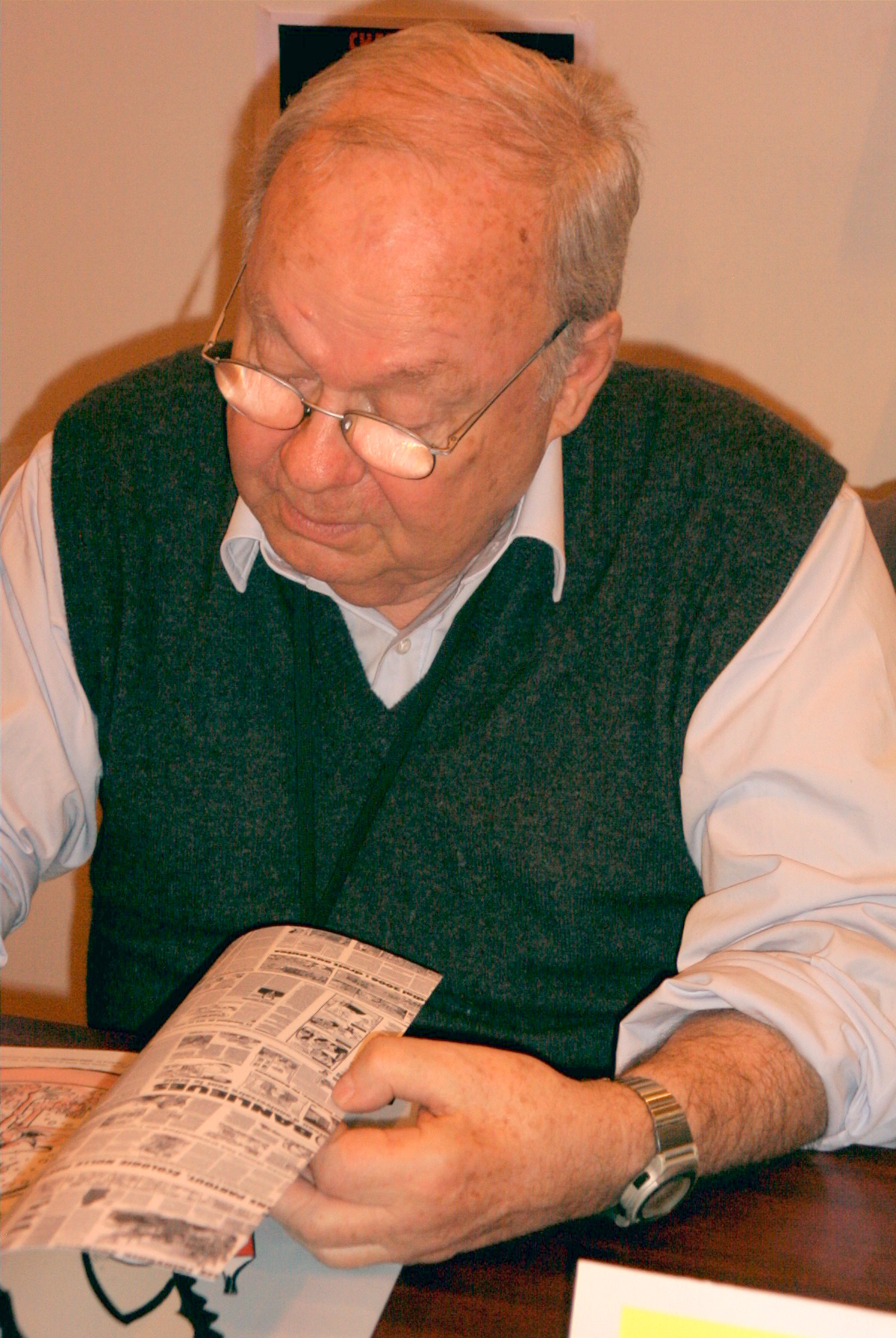

Style and themes
Siné's images were characterized by bold line work, exaggerated caricature and short, punchy captions. Recurring themes included anti-capitalism, anarchist politics, and vigorous anti-clerical satire. He also drew on anti-colonial motifs to criticize French and international policies. Some of his pieces prompted accusations of prejudice, most notably accusations of antisemitism, which became an important part of his public reputation and debates over limits to satire.
Career and publications
Siné contributed cartoons and columns to a number of French publications across decades, including mainstream magazines and satirical weeklies. He worked for outlets such as Charlie Hebdo and other press titles, and later founded his own publication projects to preserve editorial independence. His drawings and short texts were aimed at provoking discussion rather than offering neutral analysis.
Controversy and legal matters
In 2008 a column by Siné triggered a major controversy when it was widely criticized as offensive and discriminatory. He was dismissed by his employer, a decision that produced public debate about free expression, editorial responsibility and the boundaries of satire. Siné challenged the dismissal in court; subsequent legal proceedings addressed whether the termination had been lawful and whether his remarks constituted unlawful discrimination. The dispute attracted attention across French media and the cartooning community.
Later activity and legacy
After the dispute he continued to publish, using independent outlets and his own titles to reach readers. Supporters saw him as a defender of radical satire and a critic of established power; critics pointed to instances when his work transgressed widely accepted standards. Regardless of these divisions, Siné remained a distinct voice in 20th- and early-21st-century French political cartooning, influencing debates about caricature, politics and press freedom.
Death
Siné died on 5 May 2016 in Paris from complications following treatment for lung cancer. He was 87. His passing prompted reflection in French cultural life on the role of satire and the tensions between provocation and responsibility in political art.
- Notable associations: L'Express, Charlie Hebdo, independent journals
- Major topics: anti-capitalism, anti-clericalism, anti-colonialism, anarchism
- Contested issues: allegations of antisemitism, editorial dismissal and legal rulings
Author
AlegsaOnline.com Siné (Maurice Sinet): French political cartoonist and polemicist Leandro Alegsa
URL: https://en.alegsaonline.com/art/130968