
Shirley Hufstedler (1925–2016) — U.S. jurist and first Secretary of Education
American judge and public official who served on California and federal courts and became the first U.S. Secretary of Education in the Carter administration.
Shirley Mount Hufstedler (August 24, 1925 – March 30, 2016) was an American jurist and public servant who held prominent roles in state and federal courts before becoming the first United States Secretary of Education. Born in Denver, Colorado, she built a legal career in California and gained national recognition for her judicial work and later for leading the newly created federal education department.
Image gallery
3 Images
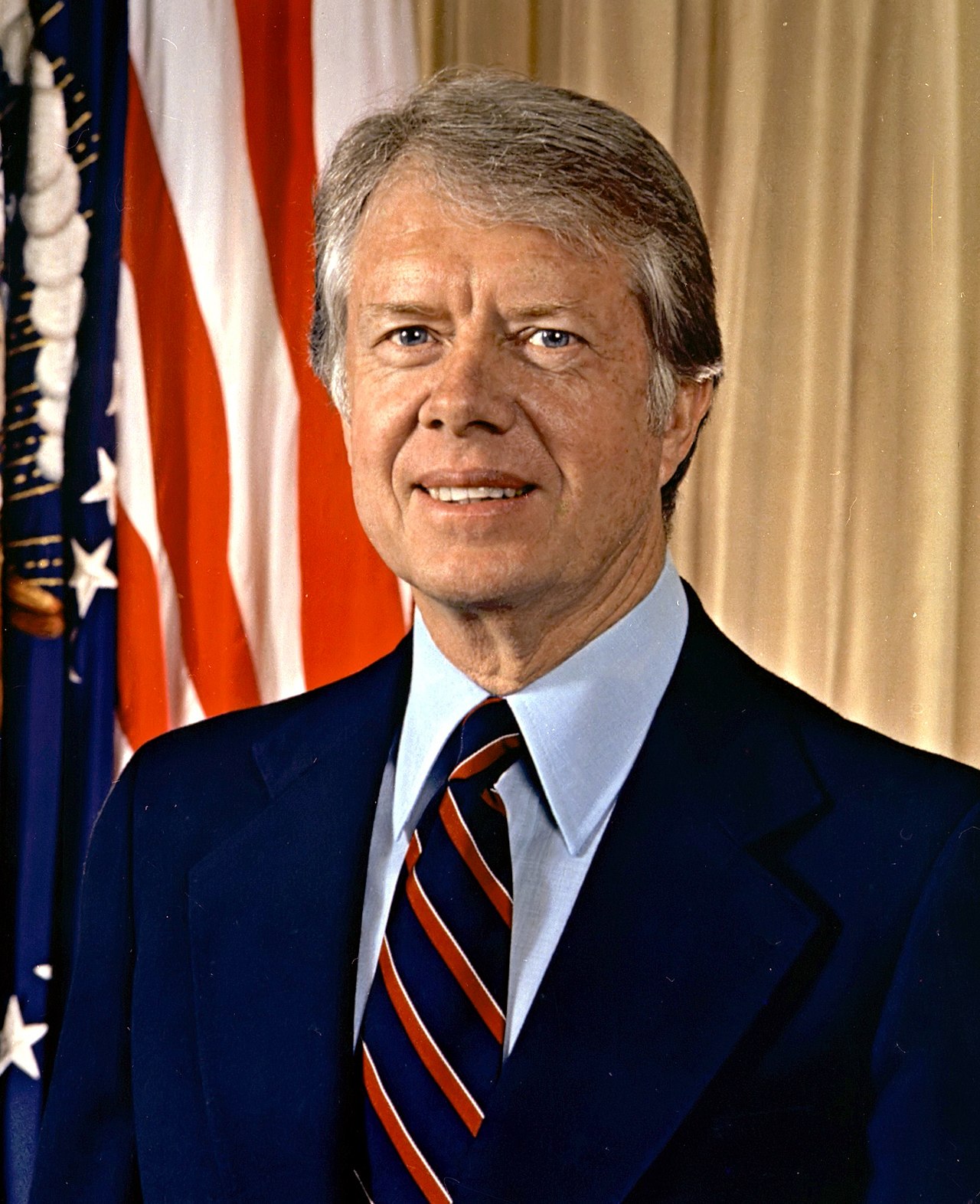

Overview
Hufstedler's public career combined appellate judging with executive responsibility. She served on the California Court of Appeal and was elevated to the federal bench on the Ninth Circuit, then left the judiciary to join the Cabinet of the President as Secretary of Education under Jimmy Carter. Her appointment to that Cabinet post marked the founding leadership of the Department of Education and placed her at the center of national conversations about federal education policy.
Career milestones
- State appellate service: Hufstedler served as an associate justice of the California Court of Appeal, where she wrote opinions and handled a broad civil and criminal caseload.
- Federal judiciary: In 1968 President Lyndon B. Johnson appointed her to the United States Court of Appeals for the Ninth Circuit, where she served for about a decade before moving into the executive branch.
- Cabinet service: President Carter selected her as the inaugural United States Secretary of Education, a role in which she oversaw the department's initial organization and early policy priorities.
Significance and legacy
Hufstedler is remembered for being among the first women to reach high judicial office and for presiding over the establishment of a cabinet-level education agency. During her tenure she emphasized administrative structure, intergovernmental cooperation, and attention to access and equity concerns in education. At various times she was discussed as a possible candidate for the Supreme Court, reflecting her reputation within legal and political circles.
Later life and death
After leaving the Cabinet, Hufstedler continued to be active in legal and civic matters, participating in panels, advisory roles, and public discussion about law and education. She died on March 30, 2016, in Glendale, California. The reported cause of death was cerebrovascular disease, and she was 90 years old at the time of her passing.
Notable distinctions: Hufstedler's career is often cited as an example of the increasing role women assumed in the U.S. legal profession in the mid-20th century and of the evolving federal role in education policy. Her movement from the appellate bench to a Cabinet position illustrates a pathway by which judicial experience has informed executive governance.
Author
AlegsaOnline.com Shirley Hufstedler (1925–2016) — U.S. jurist and first Secretary of Education Leandro Alegsa
URL: https://en.alegsaonline.com/art/130869