
Shimon Peres: Israeli statesman and Nobel Peace Prize laureate
Polish-born Israeli leader (1923–2016). Held top government offices including prime minister and president, co-awarded the 1994 Nobel Peace Prize, and advanced diplomacy, security and high-technology cooperation.
Shimon Peres (Hebrew: שמעון פרס; born Szymon Perski; 2 August 1923 – 28 September 2016) was a Polish‑born Israeli statesman whose public career stretched for more than six decades. He was a prominent member of Israel’s political establishment from the state’s early years, serving in more than a dozen cabinets and occupying many of the country’s most senior posts. Peres combined concern for national security with persistent advocacy for diplomacy, regional cooperation and technological development.
Image gallery
10 Images


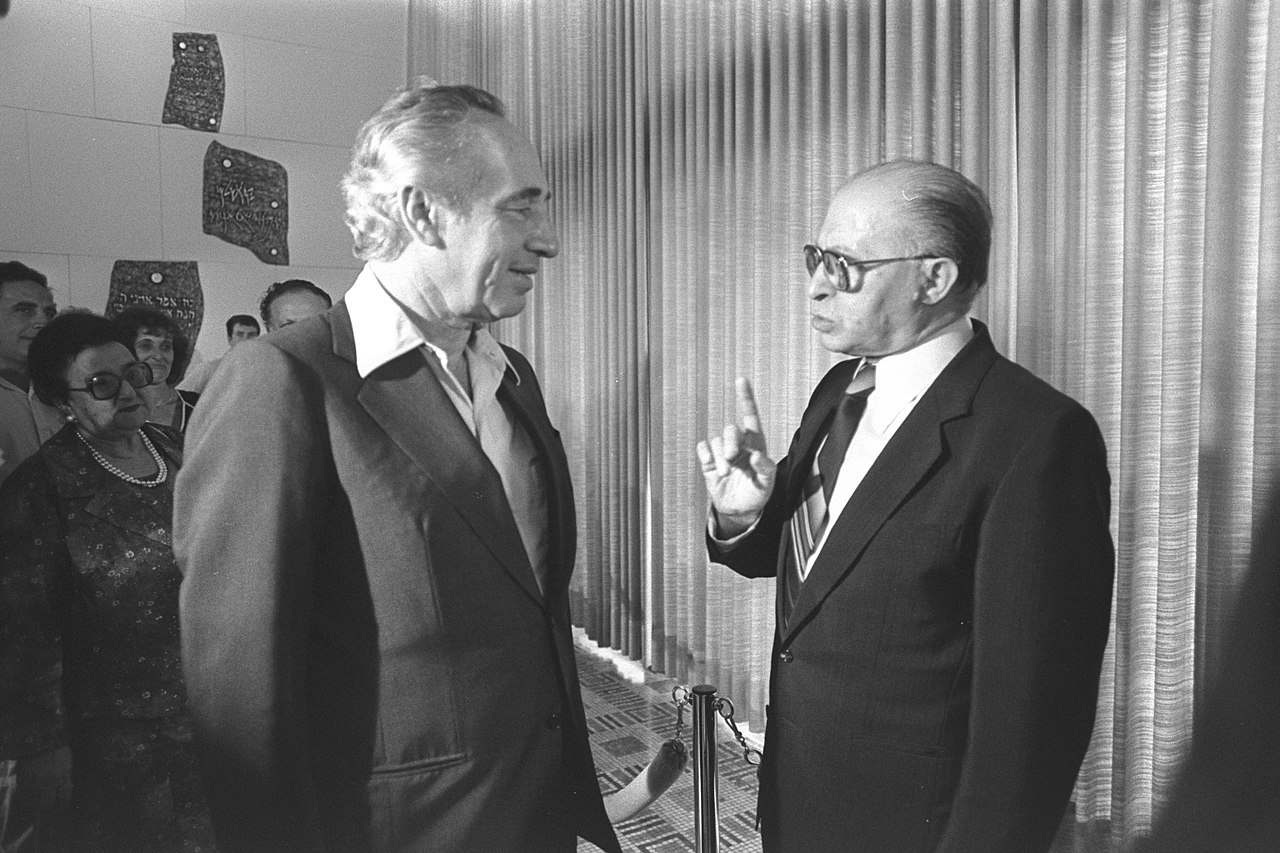


Early life and rise in politics
Peres was born in what was then Poland and emigrated with his family to Mandatory Palestine as a child. He entered public life in the years after Israel’s independence, rising through party structures and government ministries. Over the course of his career he held senior portfolios including defense, foreign affairs and finance, and he developed a reputation as an energetic administrator and policy‑maker. He was affiliated for many years with the Labor movement and later took part in centrist realignments.
Government roles and public initiatives
Across a long succession of roles, Peres served twice as Prime Minister and twice as Interim Prime Minister, and he was a member of twelve cabinets. He also served as President of Israel, a largely ceremonial post that he used to promote dialogue and international cooperation (President). In government he was associated with efforts to build Israel’s defense and industrial capacities and with policies that encouraged civilian high‑technology sectors. Later in life he concentrated on programs that linked diplomacy to practical cooperation in areas such as water management, energy and innovation.
Oslo process and Nobel Peace Prize
In the early 1990s Peres was one of the leading figures behind negotiations that became known as the Oslo process, an attempt to open sustained Israeli–Palestinian dialogue and lay foundations for a negotiated settlement. For his role in advancing those talks he shared the 1994 Nobel Peace Prize with Yitzhak Rabin and Yasser Arafat. The prize recognized efforts to move from confrontation to direct negotiation, even as the process proved controversial and remained incomplete.
Later years, institutions and outlook
After leaving frontline politics Peres remained active as an author, speaker and founder of organizations devoted to peace and regional cooperation. He established and supported initiatives that sought to bring Israelis, Palestinians and neighbouring states together around technology, economic development and shared resources. He was widely regarded as a proponent of pragmatic diplomacy backed by credible security measures, and he often spoke about linking prosperity and scientific cooperation to long‑term stability.
Death and legacy
On 13 September 2016, at the age of 93, Peres suffered a severe stroke and was hospitalised in Ramat Gan in Israel. He remained in critical condition after the event and died on 28 September 2016 of complications related to the stroke. His death prompted tributes from around the world and renewed discussion of his mixed but influential legacy: a long record of public service, institutional initiatives to promote innovation and peace, and persistent engagement in the central questions of Israel’s security and diplomacy.
Personal background and recognition
- Peres received numerous honours and honorary degrees during his life and was recognised internationally for his statesmanship and advocacy of peace and technology.
- He maintained an active public role well into his later years and was known for his optimism about the potential for science and entrepreneurship to transform regional relations.
- Peres had family ties abroad and was a cousin of the American actress Lauren Bacall; the family relationship is noted in biographical accounts (family link).
Shimon Peres remains a complex and consequential figure in modern Israeli history: a leader who combined security concerns with a persistent search for diplomatic options, and a public promoter of technological and economic approaches to cooperation across the region.
Author
AlegsaOnline.com Shimon Peres: Israeli statesman and Nobel Peace Prize laureate Leandro Alegsa
URL: https://en.alegsaonline.com/art/130855