
Shaukat Aziz: Pakistani banker and prime minister (2004–2007)
Profile of Shaukat Aziz, a Pakistani banker turned politician who served as finance minister and prime minister from 1999 to 2007, with emphasis on his background, policies, and legacy.
Overview
Shaukat Aziz (born 6 March 1949) is a Pakistani banker and politician who served as the country's Finance Minister and then as Prime Minister. Born in Karachi, Pakistan, Aziz became a prominent figure in the early 2000s for his market-oriented economic policies and his role in managing Pakistan's macroeconomic agenda during a period of fiscal and structural change. He held the office of Prime Minister of Pakistan from 2004 to 2007.
Image gallery
9 Images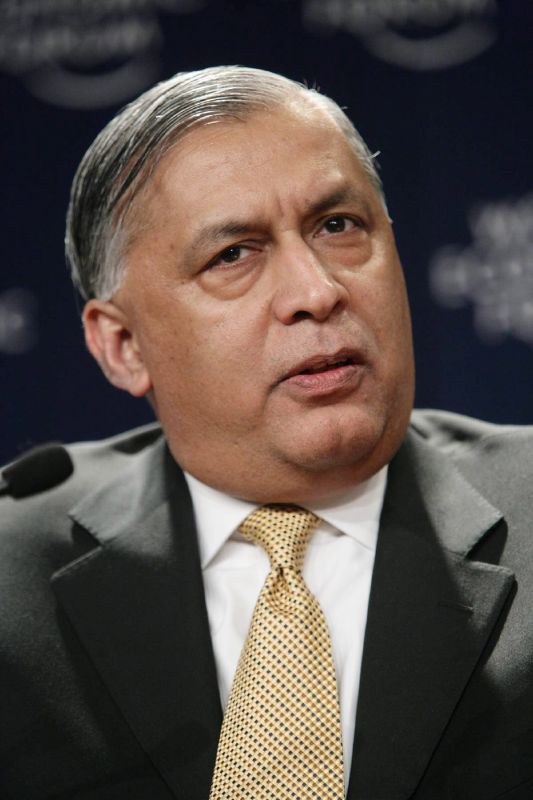


Early life and banking career
Aziz trained and worked as a commercial banker before entering government. He spent much of his private-sector career at a major international bank, rising through management ranks in Pakistan and the region. His banking background shaped his reputation as a technocrat who favored financial discipline, privatization and policies designed to attract foreign investment.
Political rise and tenure
After a military-led change of government, Aziz was appointed Finance Minister in late 1999. He was later nominated by President Pervez Musharraf (Musharraf) to become prime minister following the resignation of Zafarullah Khan Jamali. He assumed the premiership in 2004 and served until 2007. During his time in office he emphasized fiscal consolidation, privatization of state-owned enterprises, and reforms intended to broaden the tax base and encourage private-sector growth.
Policies and impact
Aziz pursued economic liberalization that supporters say helped stabilize public finances, increase investor confidence and expand access to international capital. Critics and analysts pointed to uneven distributional effects, arguing that growth did not always translate into broad-based improvements in poverty or social services. His administration sought greater integration with global markets while maintaining security and diplomatic priorities set by the government of the day.
Legacy and notable facts
Aziz is often noted as one of Pakistan's few leaders with a long professional background in international banking and as a prime minister who completed his term in office. Assessments of his tenure mix recognition of macroeconomic achievements with debate over political legitimacy and the long-term social outcomes of his reform agenda. After leaving office he returned to private life and occasional advisory roles, remaining a reference point in discussions about Pakistan's economic policy in the early 21st century.
- Key positions: senior banker, Finance Minister (from 1999), Prime Minister (2004–2007).
- Distinctive note: a technocratic leader whose career bridged international finance and national governance.
Author
AlegsaOnline.com Shaukat Aziz: Pakistani banker and prime minister (2004–2007) Leandro Alegsa
URL: https://en.alegsaonline.com/art/130777