
Seretse Khama — Founding President of Botswana
Biography of Sir Seretse Khama (1921–1980), founder of the Botswana Democratic Party and the first president of independent Botswana; his life, political career, policies, and legacy.
Overview
Sir Seretse Khama (1 July 1921 – 13 July 1980) was a leading figure in the emergence of modern Botswana. He led the transition from British protectorate to independent state, founded the Botswana Democratic Party, and served as the country’s first president after independence in 1966. Khama is widely remembered for combining political moderation with pragmatic economic policies that helped transform a poor, landlocked territory into a stable, economically developing nation.
Image gallery
6 Images


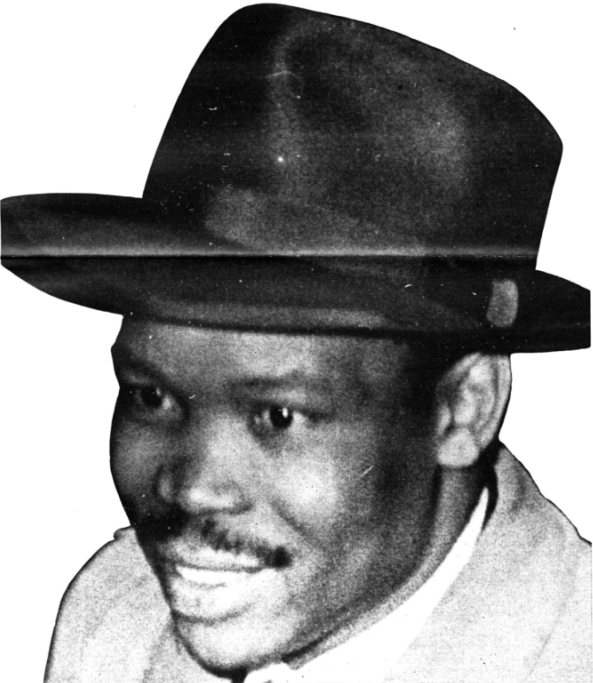

Early life and personal controversy
Born into the ruling family of the Bamangwato, Khama was heir to a traditional chieftaincy. His education included studies in southern Africa and abroad. In 1948 he married Ruth Williams, a British woman, a union that sparked controversy in the region because of apartheid-era racial attitudes and opposition from neighbouring governments and some colonial officials. The marriage led to political friction, temporary exile, and loss of his formal chieftainship, events that drew international attention and influenced his later political outlook.
Political rise and presidency
After returning to public life, Khama helped found the Botswana Democratic Party in 1962 and became Prime Minister of the then Bechuanaland Protectorate in 1965. When the country gained independence in 1966 he became its first president, steering a small administration at a moment when major natural resources were beginning to be developed. His leadership emphasized good governance, fiscal prudence and investment in public services.
Policies, economy and governance
During Khama’s tenure the discovery and exploitation of diamonds—managed through government agreements with international firms—became a cornerstone of national revenue. The administration prioritized building infrastructure, education and health services while maintaining a cautious approach to foreign investment. Khama’s era is associated with democratic stability, low levels of corruption relative to regional peers, and institution building that outlasted his presidency.
Legacy and notable facts
- Founding party: Founder of the Botswana Democratic Party, which dominated national politics for decades.
- Statesmanship: Regarded as a conciliatory statesman who navigated colonial pressures and regional tensions.
- Honours: He was knighted as a KBE in recognition of his public service.
Khama died in Gaborone in 1980 of pancreatic cancer, aged 59. His family has remained prominent in national life: his son Ian Khama later served as President of Botswana.
Seretse Khama's legacy is complex: his personal story symbolised racial politics of the mid-20th century, while his public record is credited with laying the foundations for one of Africa’s longest-standing constitutional democracies and for turning significant mineral wealth into public development.
Author
AlegsaOnline.com Seretse Khama — Founding President of Botswana Leandro Alegsa
URL: https://en.alegsaonline.com/art/130683