
Sebastian Kurz: Austrian politician and two-time chancellor
Overview of Sebastian Kurz (b. 1986), his rapid rise in the ÖVP, two terms as Austria’s chancellor, major policy priorities, the scandals and investigations that ended his leadership, and his political legacy.
Sebastian Kurz (born 27 August 1986) is an Austrian political figure who rose rapidly to national leadership as chairman of the Austrian People’s Party (ÖVP) and served two separate terms as Chancellor of Austria. He first became chancellor in December 2017 and, after a brief interruption, returned to lead a second government from early 2020 until he stepped down amid intensive legal and political scrutiny in 2021. For a concise biographical summary see biographical overview.
Image gallery
10 Images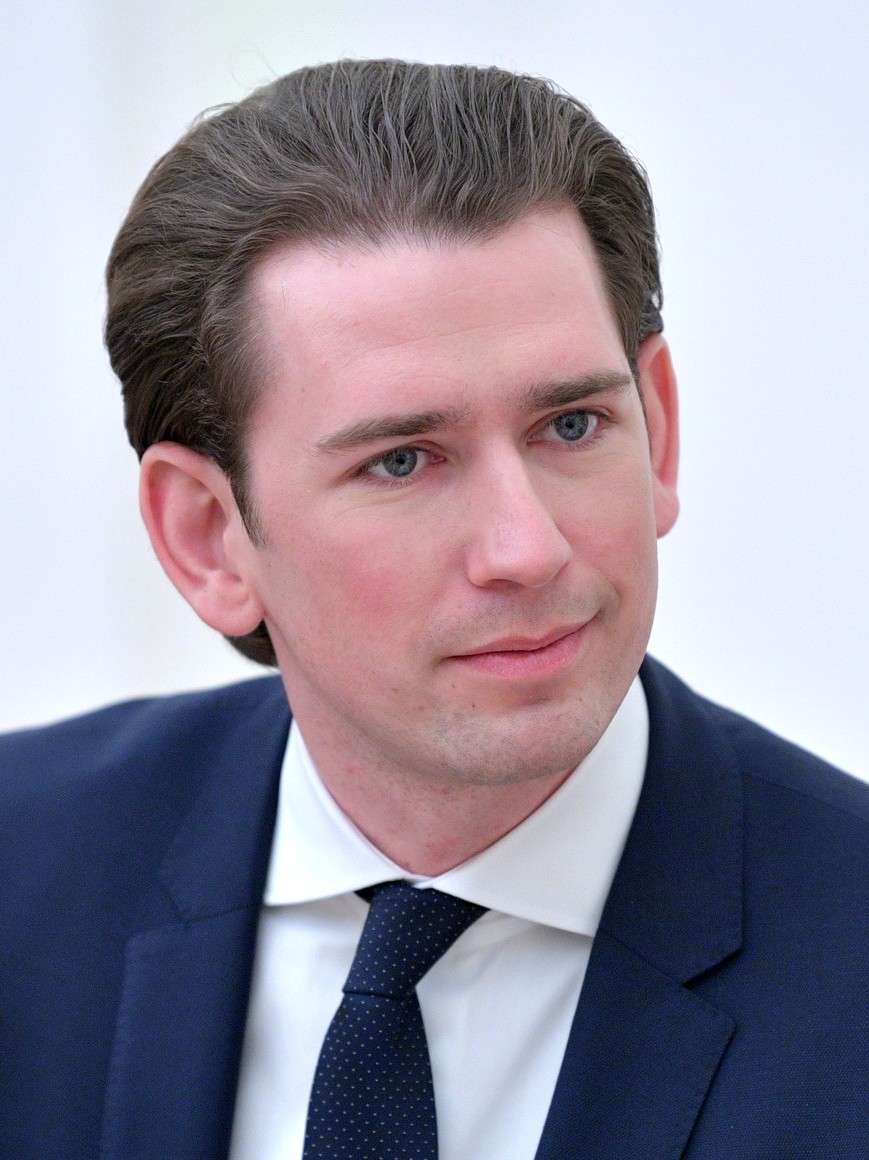


Early life, education and entry into politics
Kurz was born in Vienna and became involved in youth politics at an early age. He studied law at the University of Vienna while also pursuing roles within the ÖVP youth structures and municipal politics. His rapid ascent was framed as a generational renewal of the party; by his late twenties he moved into national office and developed a public profile that combined a media-savvy style with a focus on migration, integration and European affairs.
Foreign minister and party leadership
In 2013 Kurz was appointed Austria’s Minister for Foreign Affairs and Integration. Serving in that portfolio until 2017, he became one of Europe’s youngest foreign ministers and used the role to raise his national profile, particularly on issues of migration, EU cooperation and integration policy. In May 2017 he was elected chairman of the ÖVP and recast the party’s messaging, seeking to broaden its appeal by combining center-right economic positions with stricter stances on immigration and law-and-order themes. The party page offers background on the ÖVP’s platform and organization at ÖVP information.
First chancellorship (2017–2019) and coalition with the FPÖ
After the 2017 legislative election the ÖVP, led by Kurz, became the largest party in the National Council. Kurz formed a coalition with the Freedom Party (FPÖ) and took office as chancellor on 18 December 2017. That government prioritized tighter migration controls, tax and labor-market measures, and business-friendly reforms. In May 2019 the coalition collapsed amid the wider political crisis sparked by the so-called Ibiza affair involving FPÖ figures; the resulting loss of support led to the dismissal of the government and an interim administration.
Return to office (2020–2021) and policy priorities
Following the 2019 election the ÖVP again emerged as a leading party and Kurz formed a new coalition with the Green Party, taking office at the start of 2020. This second government combined center-right economic policies with commitments on environmental and climate issues set out by the Greens, alongside continuing emphasis on integration and administrative reform. The coalition sought to balance modernization, fiscal responsibility and commitments to EU cooperation while managing domestic political tensions.
Investigations, resignation and aftermath
Kurz’s time in office was accompanied by sharp political polarization and multiple investigations. Prosecutors and oversight bodies examined allegations concerning public funds, contracts for opinion research and media measures, and possible improper conduct by government actors; reporting on these developments has been published in investigative outlets and official records. Kurz repeatedly denied wrongdoing. Growing legal scrutiny and political pressure led him to announce his resignation from the chancellorship and party leadership in October 2021. He was succeeded as chancellor by Alexander Schallenberg on 11 October 2021, a transition that involved discussion of presidential and parliamentary procedures, including statements and actions by President Alexander Van der Bellen. Further reporting and prosecution updates have appeared in investigative coverage and court summaries such as investigative reports and official records.
Political significance and legacy
Sebastian Kurz is a polarizing figure in contemporary Austrian politics. Supporters credit him with renewing the ÖVP, achieving electoral success, and reframing center-right politics on issues of migration and reform. Critics argue his tactics intensified political polarization and raised concerns about the boundaries between partisan communication and state institutions. His two chancellorships, the abrupt fall of his first government and the subsequent investigations have become a prominent case study in debates over political accountability, media strategy and party leadership in Europe.
Timeline and notable facts
- Born 27 August 1986 in Vienna; rose through ÖVP youth ranks.
- Foreign Minister and Integration Minister, 2013–2017; one of Europe’s youngest holders of that office.
- ÖVP chairman from May 2017; led the party in national elections.
- Chancellor: first term December 2017–May 2019 (ÖVP–FPÖ coalition); second term 2020–October 2021 (ÖVP–Greens coalition).
- Stepped down amid formal investigations and ongoing legal proceedings; developments have been documented in public reporting and official files available through national sources and press coverage such as chancellery reference.
For extended timelines, primary documents and contemporaneous news coverage consult the linked resources and authoritative archives that track Austria’s government changes and legal proceedings. Additional public summaries and analyses are available from parliamentary records and investigative journalism outlets that compiled the sequence of events and official responses.
Author
AlegsaOnline.com Sebastian Kurz: Austrian politician and two-time chancellor Leandro Alegsa
URL: https://en.alegsaonline.com/art/130650