
Sarah Childress Polk: First Lady, Political Confidante, and Keeper of Legacy
Sarah Childress Polk (1803–1891) was First Lady during James K. Polk’s presidency (1845–1849). Educated and influential, she managed White House social life, advised the president, and preserved his papers and reputation.
Sarah Childress Polk (September 4, 1803 – August 14, 1891) served as First Lady of the United States from 1845 to 1849 during the presidency of her husband, James K. Polk. Known for her intellect, strong moral views and discreet political influence, she combined the roles of hostess and confidante at a time when the position of First Lady had no formal duties.
Image gallery
7 Images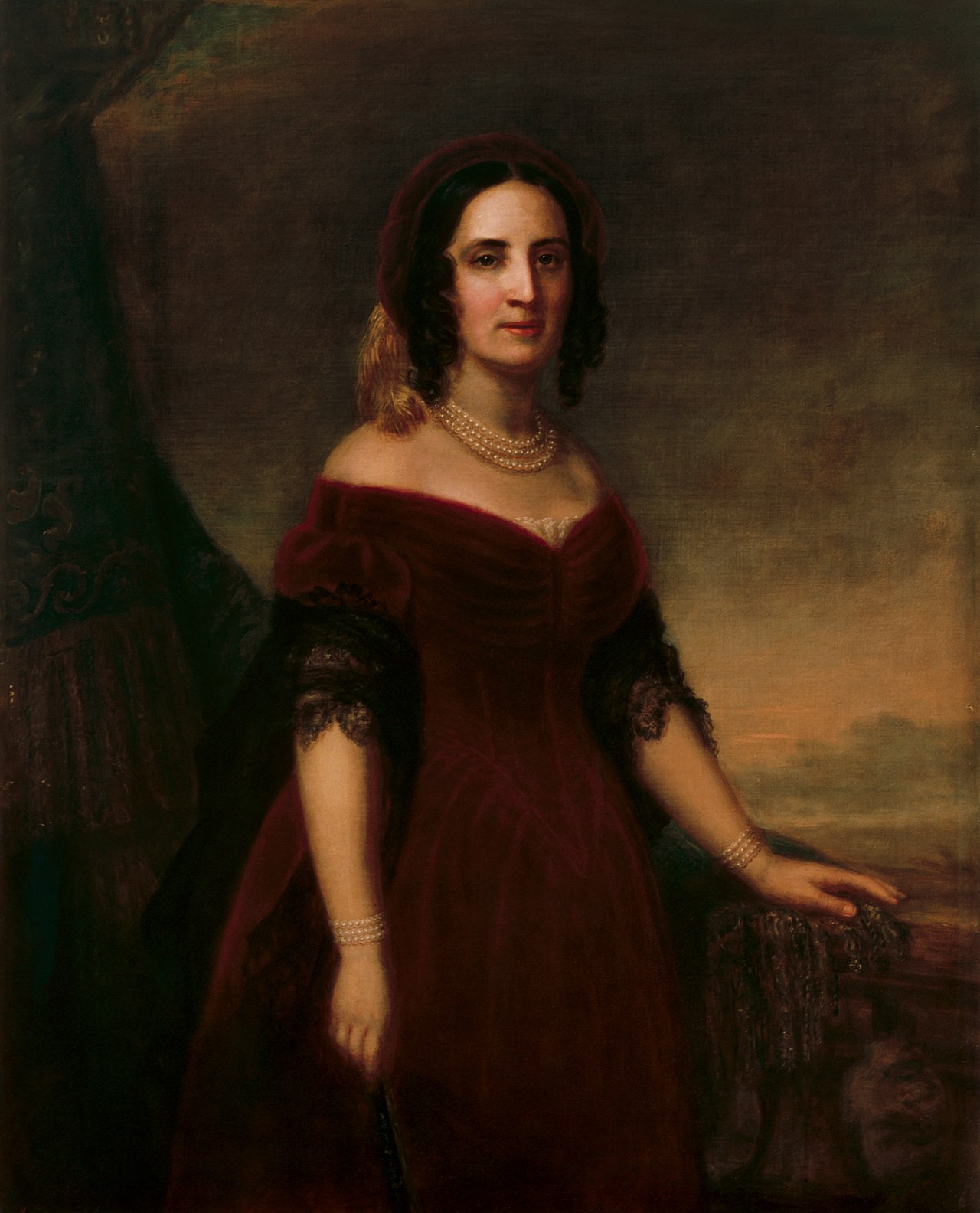


Early life and education
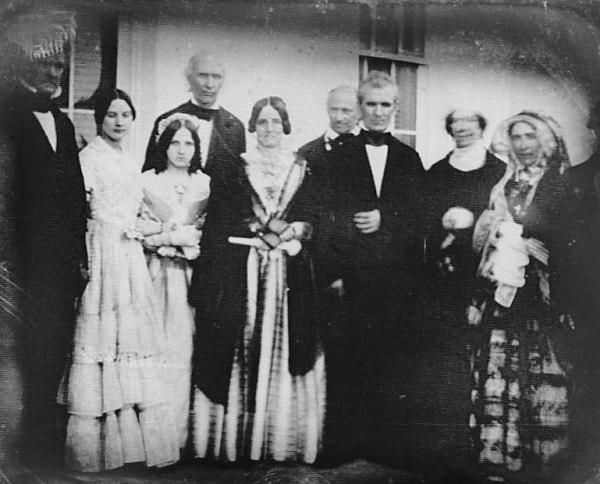
Born into a prosperous family in Tennessee, Sarah Childress received an education that was advanced for women of her era and developed an interest in literature, religion and current affairs. Her upbringing gave her the social polish and administrative skill that later defined her approach to Washington life. She married James K. Polk in 1824 and thereafter took an active part in his political career.
Role as First Lady
As First Lady she oversaw household management, official entertaining and the day-to-day social routines of the White House. She favored sober, orderly receptions and exercised tight control over invitations and protocol. Contemporaries described her as dignified and reserved; she preferred privacy and used her position to support her husband’s public work rather than to pursue a separate social agenda.
Influence and later life
Sarah was more than a ceremonial hostess: she was a trusted adviser who reviewed papers, discussed policy, and helped shape James Polk’s circle of aides. After the president’s single term and his death in 1849, she devoted herself to preserving his reputation and papers, maintaining their Nashville home, and living a private, disciplined life. She never remarried and remained an occasional figure of public interest until her death in 1891.
Legacy and notable facts
- Regarded as an early example of a politically engaged First Lady who worked behind the scenes.
- Remembered for strict hospitality standards and insistence on moral comportment in the executive household.
- Played a key role in collecting and preserving presidential correspondence and historical materials.
For further reading and primary-source collections, consult biographies, archival guides and specialized studies: biography overview, archival catalog, White House history, Polk papers, social history, presidential studies, women’s history, 19th-century politics, primary documents.
Author
AlegsaOnline.com Sarah Childress Polk: First Lady, Political Confidante, and Keeper of Legacy Leandro Alegsa
URL: https://en.alegsaonline.com/art/130498