
Samuel Huntington (Connecticut politician, 1731–1796)
Samuel Huntington was a Connecticut jurist and statesman who signed the Declaration of Independence, presided over the Congress of the Confederation, and served as Governor of Connecticut.
Overview
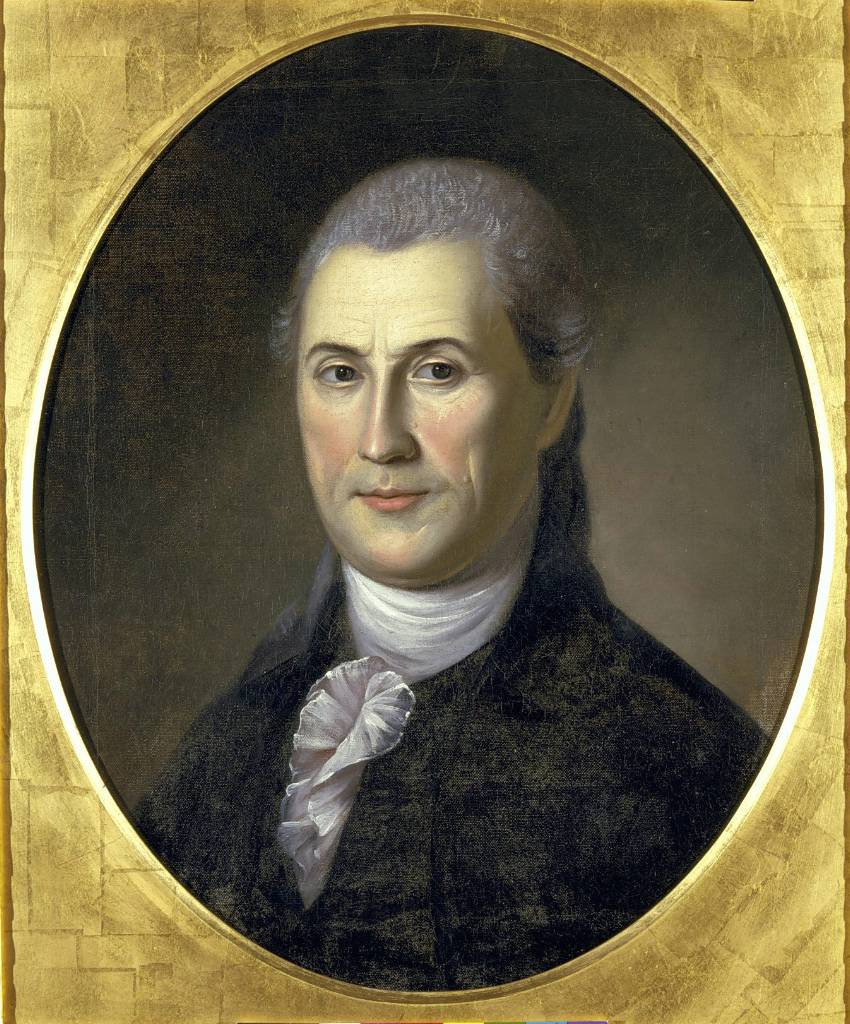
Samuel Huntington (July 16, 1731 – January 5, 1796) was a leading Connecticut public figure of the American Revolutionary generation. Trained in the law, he became a prominent jurist, a revolutionary-era statesman, and a civic leader who represented Connecticut in the national assembly. He was a delegate to the Continental Congress, a signer of the Declaration of Independence, presided over the continental legislature under the Articles of Confederation, and later served as Governor of Connecticut.
Image gallery
5 Images



Early life and legal career
Born and raised in Connecticut, Huntington trained in traditional legal practice of the colonies and entered public service through local and provincial offices. He held important judicial positions in the state courts and acquired a reputation for careful legal reasoning. Huntington's legal experience informed his approach to governance in a period when colonial institutions were being converted into state governments.
Service in the Continental Congress
As a member of the Continental Congress, Huntington participated in debates that led to independence and the creation of new national institutions. He was among those who affixed their names to the Declaration of Independence, and he took part in the work of the Congress as it coordinated the war effort, managed diplomacy, and attempted to bind the states together under common policy during and after the Revolution.
President of the Congress (Confederation era)
Huntington served as the presiding officer of the Confederation Congress, officially styled the "President of the United States in Congress Assembled." In that role he chaired legislative sessions, handled certain administrative duties of the assembly, and helped guide routine business of the national government established by the Articles of Confederation. This position was a parliamentary and administrative chair rather than the later executive office created by the federal Constitution; it differed in authority and institutional design from the post-1789 President of the United States, who exercises distinct executive powers under the Constitution.
Governor of Connecticut
After his service in the national assembly, Huntington returned to Connecticut politics and became Governor. In that capacity he oversaw state administration during a formative period when the new nation was consolidating its institutions, responding to fiscal and security challenges, and adjusting from wartime to peacetime governance.
Personal life and death
Huntington's life combined public duty with local familial and civic ties in Connecticut. He died in early 1796 and was remembered by contemporaries and later historians for steady public service across judicial, legislative, and executive roles at both state and national levels.
Legacy and assessment
Historians regard Huntington as one of several important but less celebrated founders whose work kept institutions functioning in difficult years. His career illustrates the overlapping roles—law, diplomacy, and administration—required to carry the states from colonial status through revolution to organized self-government. Huntington's example is often cited when discussing the practical realities of early American politics and the diversity of leadership during the founding era.
Further resources
Selected gateway materials and archival guides can introduce readers to primary documents and scholarly studies. For general introductions and focused records see materials under these headings: legal career and courts, biographical studies, revolutionary leadership, Connecticut history, delegate records, Congressional minutes, the Declaration, Articles of Confederation materials, comparison with the later presidency and executive powers under the Constitution.
- Signer: Huntington signed the Declaration and worked on national policy as a Connecticut delegate.
- Presiding officer: He chaired the Confederation Congress, a role focused on legislative leadership.
- State leadership: As governor he guided Connecticut through early national years.
Author
AlegsaOnline.com Samuel Huntington (Connecticut politician, 1731–1796) Leandro Alegsa
URL: https://en.alegsaonline.com/art/130403