
Samuel de Champlain — French navigator, cartographer and founder of Quebec City
Samuel de Champlain (c.1567–1635), French navigator, cartographer and colonial leader known as the 'Father of New France'; founder of Quebec City in 1608 and author of important maps and chronicles.
Overview
Samuel de Champlain (c. 1567 – 25 December 1635) was a French navigator, soldier, cartographer and colonial organizer whose voyages and writings helped establish France's presence in northeastern North America. Often called the "Father of New France," Champlain combined practical seamanship with detailed observation to record coastlines, rivers and Indigenous communities. His maps and narratives shaped European knowledge of the region for decades.
Image gallery
10 Images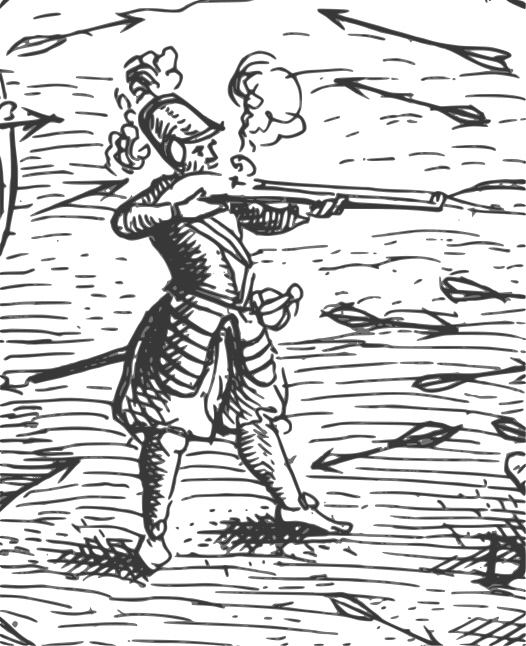





Early life and career
Details of Champlain's early life are partly uncertain. He served as a navigator and a soldier in various campaigns and maritime ventures before focusing on exploration and mapmaking. By the turn of the 17th century he had developed skills as a geographer and draughtsman, producing charts used by merchants and naval officers.
Voyages and mapping
Between the late 1590s and the 1620s Champlain sailed along the St. Lawrence River and the Atlantic coast, making systematic surveys, recording harbors and drawing maps that corrected earlier, often speculative depictions. He also wrote detailed accounts that mixed natural history, navigational notes and observations about the peoples he met.
Founding of Quebec
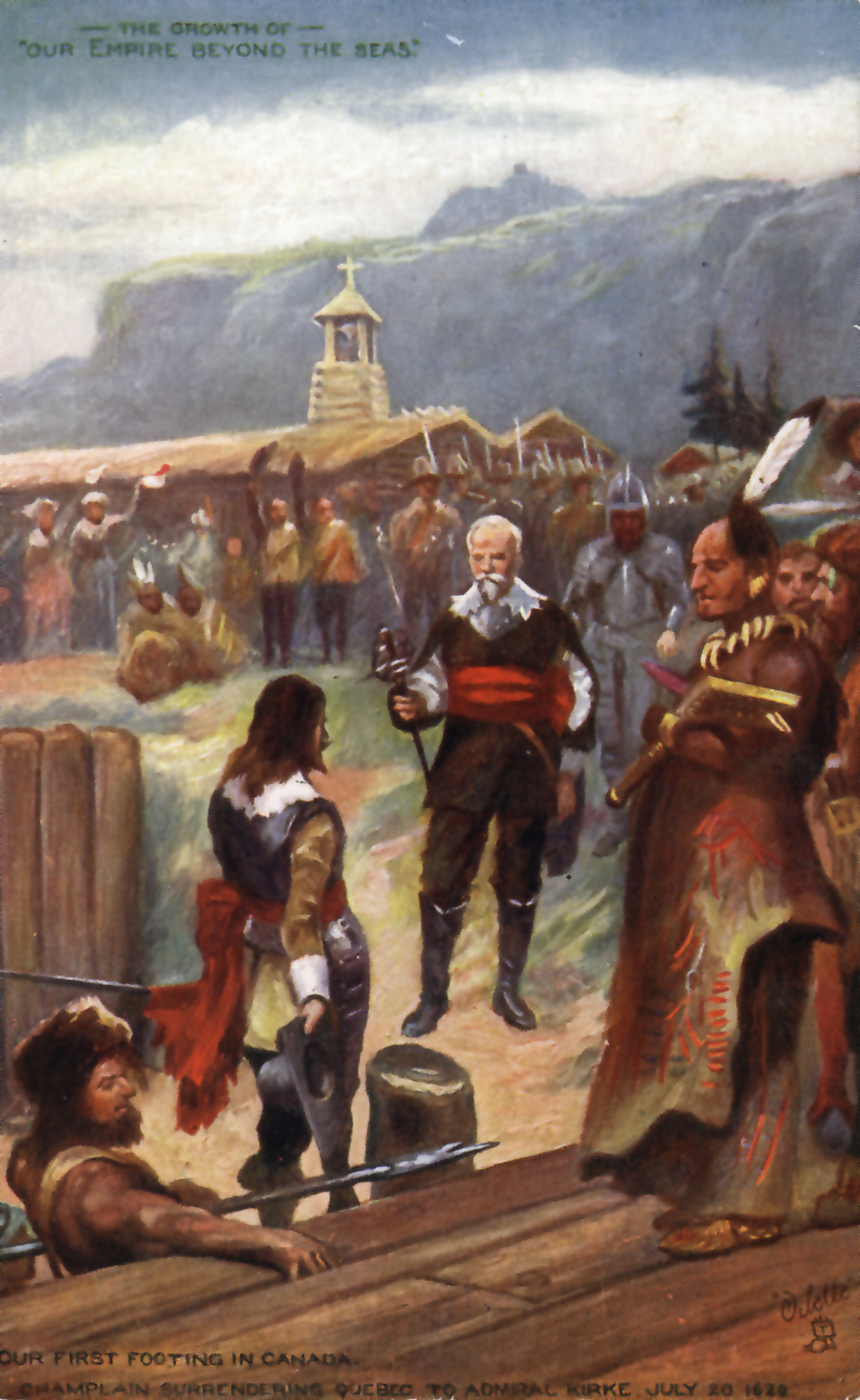
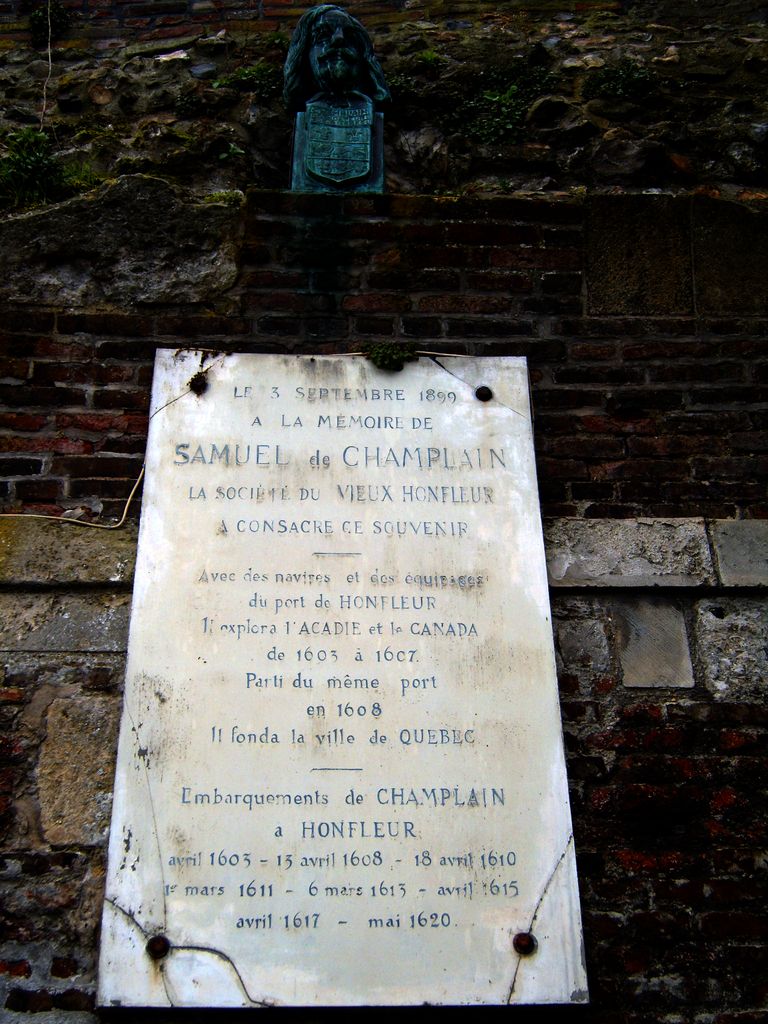
In 1608 Champlain established a permanent French outpost at the site that became Quebec City. Arriving on 3 July 1608, he built a fortified trading post intended to secure French interests in the fur trade and act as an administrative base for expansion in what France called New France. The settlement served as a hub for communication, commerce and missionary activity.
Exploration of the interior
Champlain led expeditions into the interior via rivers and lakes. In 1609 he travelled to the lake that now bears his name, the Lake Champlain, and took part in military actions alongside some Indigenous allies against others, employing firearms in ways that altered the balance between rival nations. His inland journeys extended European geographic knowledge of the Saint Lawrence watershed and adjacent territories.
Relations with Indigenous peoples
Champlain forged alliances and trade relations with several First Nations, notably Huron and Algonquin groups, while also engaging in conflicts that reflected shifting local politics. His writings provide valuable ethnographic information but must be read critically; they record contact from a European perspective and reflect the diplomatic and commercial aims of the French presence.
Personal life
Champlain married Hélène Boullé when he was in his forties and she was in her early teens; the marriage contract included provisions that delayed certain conjugal arrangements until a later date, reflecting period-specific social and legal norms. The terms of the marriage contract and references to age of consent in contemporary documents are subjects of historical discussion.
Contributions and legacy
- Cartography: his charts improved navigation on the St. Lawrence and adjacent coasts and served as references for later explorers.
- Colonial foundation: the settlement at Quebec provided a durable base for French administration and the fur trade.
- Written records: his journals and maps are important primary sources for early 17th‑century North America.
Later years and memory
Champlain continued to govern and explore intermittently until his death in 1635. Over subsequent centuries he became a central figure in histories of Canada and of French colonization. His name endures in place names, maps and scholarly studies; for further reading see modern biographies and collections of his writings and maps, including works that examine his military service (military), navigation (navigation), geographic work (geography) and the social context of his time (social context).
For general information about the city he founded, see Quebec, and for geographical features named after him consult resources on Lake Champlain and related toponyms. Researchers also refer to original documents and edited collections that preserve Champlain's charts and narratives for study.
Author
AlegsaOnline.com Samuel de Champlain — French navigator, cartographer and founder of Quebec City Leandro Alegsa
URL: https://en.alegsaonline.com/art/130400