
Roy Jenkins, Baron Jenkins of Hillhead
British politician and writer (1920–2003). Labour MP, Home Secretary, Chancellor, founder of the SDP, President of the European Commission and noted biographer and autobiographer.
Roy Harris Jenkins, Baron Jenkins of Hillhead (11 November 1920 – 5 January 2003), was a prominent British politician, statesman and writer whose career spanned several parties and major public offices. He came to national attention as a leading figure in the post‑war Labour movement, later helped found the Social Democratic Party and was associated with the Liberal Democrats. Jenkins combined high political office with a parallel career as a historian and biographer and remains widely remembered for his role in some of the liberal social reforms of the 1960s.
Image gallery
7 Images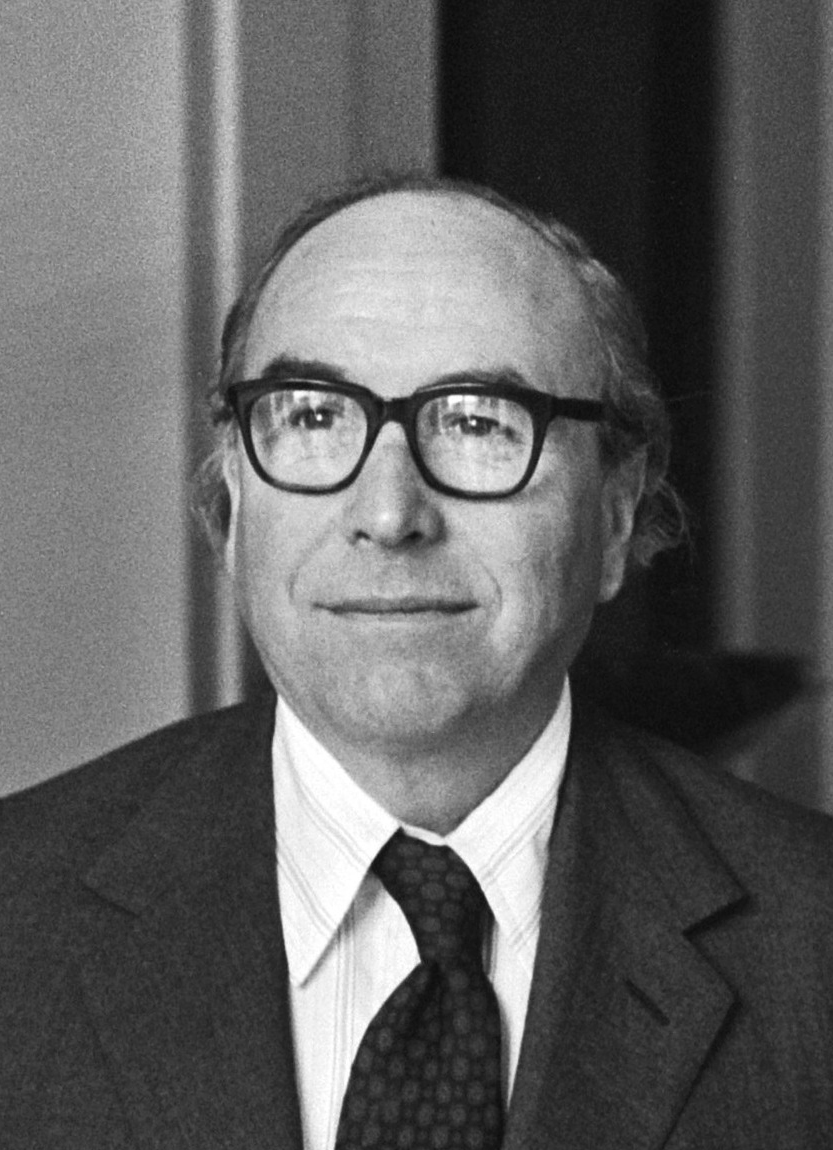


Political career and offices
Jenkins entered Parliament after World War II and served in senior ministerial roles for the Labour government of Harold Wilson. As Home Secretary, he was associated with a series of liberalising measures in criminal and social law during the 1960s. He later became Chancellor of the Exchequer, overseeing economic policy in a difficult period for the British economy. In the 1970s he left frontline party leadership to serve at the European level.
European and party realignment
In 1977 Jenkins was appointed President of the European Commission, the first British holder of that office; he served until 1981. His tenure highlighted his strong pro‑European stance, a position that eventually put him at odds with elements of the Labour Party and contributed to his departure from it. He was one of the leading figures in the creation of the Social Democratic Party (SDP) in the early 1980s and later became associated with the Liberal Democrats. His Europhile views acquired renewed significance after the United Kingdom's decision to leave the European Union.
Ideas, reforms and public image
Jenkins combined pragmatic policymaking with an identifiable liberal outlook. While never the sole architect of major Acts, he supported and administered measures in the 1960s that moved British law on issues such as capital punishment and social policy. He was known for an urbane public manner, an ability to work across factions, and a reputation as an intellectual politician who cared about both detailed policy and long‑term constitutional questions.
Writing and legacy
Alongside politics Jenkins wrote extensively. His memoir, A Life at the Centre (1991), is widely regarded as an exemplary political autobiography of the late twentieth century. He also produced studies and biographies of leading British figures and contributed to historical understanding of the parties and personalities he had worked with. His literary output reinforced his reputation as one of the more reflective and scholarly public servants of his generation.
Notable facts and honours
- He was created a life peer as Baron Jenkins of Hillhead and sat in the House of Lords after leaving the Commons; he was a member of the Privy Council and received other honours.
- His movement from Labour to the SDP symbolised wider realignments in British centre‑left politics in the 1980s.
- As the first British President of the European Commission he became the most senior UK official in the institutions of the European Community at the time.
Jenkins's combination of high office, party realignment and literary achievement makes him a distinctive figure in modern British political history. For more detailed biographical material and primary sources, see profiles and essays listed online and in major political histories. Additional reading and archival references are available via institutional and specialist collections: profile and records, the history of the Labour Party, debates on the SDP and its successors, contemporary accounts from the Liberal Democrats, official pages on the role of Home Secretary and Chancellors, material from the European Commission, and commentary on the UK's relationship with the European Union.
Author
AlegsaOnline.com Roy Jenkins, Baron Jenkins of Hillhead Leandro Alegsa
URL: https://en.alegsaonline.com/art/130133