
Social Democratic Party (UK)
A centrist UK political party formed in 1981 by Labour moderates; it led the SDP–Liberal Alliance and merged with the Liberals in 1988 to help create the Liberal Democrats.
Overview
The Social Democratic Party (commonly the SDP) was a British political party established on 26 March 1981 by senior moderates who left the Labour Party. It presented a centrist alternative to the main parties, aiming to combine social justice with a pragmatic approach to economic management. Its founders were senior figures who sought to challenge what they regarded as the growing left-wing direction of Labour and to occupy the political centre ground between Labour and the Conservatives.
Image gallery
4 Images


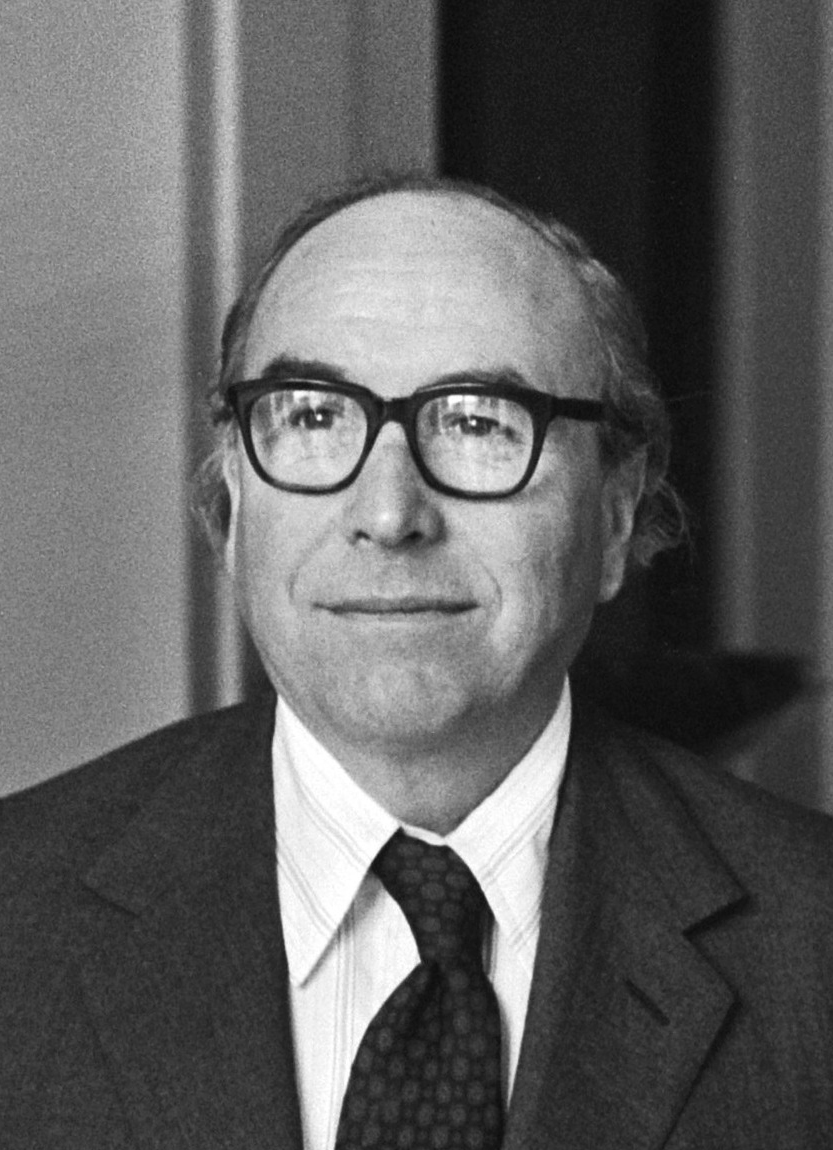
Origins and founders
The party was launched by four leading politicians, often called the "Gang of Four": Roy Jenkins, David Owen, Bill Rodgers and Shirley Williams. They announced the new party in a highly publicised statement and moved to gather support from voters disaffected with the main parties. The SDP attracted a mixture of former Labour members, new supporters and some local activists who wanted a moderate, reform-minded force in British politics.
Ideology and organisation
Ideologically the SDP identified with social democracy and moderate reform. It advocated mixed-economy policies, civil liberties, electoral reform, and a pro-European outlook. The party sought to appeal to voters uncomfortable with polarised politics and positioned itself as a pragmatic alternative that favoured consensus and modernisation over ideological confrontation. Organisationally it attempted to build a national presence quickly, but faced challenges converting vote share into seats under the UK's first-past-the-post electoral system.
Electoral alliance and performance
Shortly after formation the SDP entered an electoral partnership with the Liberal Party. The Liberals and the SDP contested elections as the SDP–Liberal Alliance, which attracted significant popular support in the 1980s. In the 1983 general election the alliance won roughly a quarter of the national vote; in 1987 its share remained substantial, though smaller. Despite these vote shares, the Alliance won relatively few seats, highlighting how the electoral system limited its parliamentary representation.
Merger and legacy
In 1988 most members of the SDP and the Liberal Party agreed to a formal merger that resulted in the creation of a new party, which became the Liberal Democrats. A minority faction led by David Owen continued as a separate "continuing SDP" for a short period before dissolving. The SDP's brief existence had a lasting effect on British politics by reshaping the centre, prompting debates about electoral reform, and influencing later realignments of both Labour and centrist politics.
Notable facts
- Founding date: 26 March 1981.
- Founders included Roy Jenkins, David Owen and Shirley Williams.
- The SDP formed the SDP–Liberal Alliance with the Liberals.
- Electoral high points: about 25% of the vote in 1983 and about 23% in 1987 (alliance figures).
- Most members merged with the Liberals in 1988 to create the party that became the Liberal Democrats.
Questions and answers
Q: What was the Social Democratic Party?
A: The Social Democratic Party (also known as the SDP) was a centrist political party that was made by Labour Party politicians in 1981 who did not like how left-wing the party was becoming.
Q: Who founded the Social Democratic Party?
A: The SDP was founded on 26 March 1981 by four senior Labour Party moderates, dubbed the "Gang of Four": Roy Jenkins, David Owen, Bill Rodgers and Shirley Williams.
Q: Did the Social Democratic Party win any elections?
A: The SDP allied with the Liberals, winning 25% of the vote in 1983 and 23% in 1987 through the "SDP-Liberal Alliance".
Q: What was the "SDP-Liberal Alliance"?
A: The "SDP-Liberal Alliance" was the alliance between the Social Democratic Party and the Liberals.
Q: What happened to the Social Democratic Party?
A: The SDP and Liberals merged in 1988 to form the Liberal Democrats.
Q: Why did the Labour Party politicians form the SDP?
A: The Labour Party politicians formed the SDP because they did not like how left-wing the party was becoming.
Q: Who were the members of the "Gang of Four" that founded the SDP?
A: The members of the "Gang of Four" that founded the SDP were Roy Jenkins, David Owen, Bill Rodgers and Shirley Williams.
Related articles
Author
AlegsaOnline.com Social Democratic Party (UK) Leandro Alegsa
URL: https://en.alegsaonline.com/art/91423