
Bookcase (Bookshelf): Design, History, Types and Uses
An overview of the bookcase (bookshelf): its design, materials, historical development, common types, uses in homes, offices and libraries, and guidance on maintenance and safe installation.
Overview
A bookcase, often called a bookshelf, is a piece of furniture created to store, protect and display books and related printed materials. Bookcases are found in private homes, offices, schools and public institutions. They range from a single wall-mounted shelf to multi-shelf freestanding units that may span an entire wall. As both a practical item and an element of interior design, a bookcase organizes material while contributing to a room's appearance.
Image gallery
10 Images



Design and components
Typical components include uprights or sides, horizontal shelves, a back panel and sometimes doors or glazing. Shelves may be fixed or adjustable and are commonly supported by pins, brackets, dados or grooves. Some units include drawers, built-in desks or integrated lighting. Designers plan shelf spacing according to the height of typical volumes to be stored; heavier or larger books may require reinforced or deeper shelving. The choice between open shelving and enclosed cabinets affects protection from dust and light.
Materials and construction
Bookcases are manufactured from solid woods, plywood, medium-density fiberboard (MDF), metal, glass and combinations of these materials. Joinery ranges from simple butt joints with mechanical fasteners to more elaborate dowel, dado or mortise-and-tenon constructions in higher-end furniture. Finishes such as paint, veneer and stain influence aesthetics and resistance to wear. Modular and ready-to-assemble systems emphasize interchangeability, while bespoke joinery is used for built-in or period furniture.
History and development
Storage for written materials dates back to ancient scroll racks and chests. The adoption of the codex (bound book) and later the invention of mechanical printing increased the volume of books and the need for compact, purpose-built shelving. Over centuries, book storage evolved from simple shelves to ornate cabinetry and the open stacks of modern libraries. Industrial manufacturing made standardized, affordable bookcases widely available in the 19th and 20th centuries, and contemporary practice includes minimalist open shelving and large integrated wall systems.
Types and distinctions
- Freestanding units: portable and flexible for changing arrangements.
- Built-in shelving: custom-fitted to walls or alcoves for a seamless look.
- Modular systems: sections combine in various configurations and can grow with a collection.
- Glass-door or closed cabinets: protect contents from dust and light.
- Wall-mounted and floating shelves: save floor space and alter room proportions.
- Library stacks and compact/mobile shelving: used in institutions to maximize capacity.
Uses, maintenance and safety
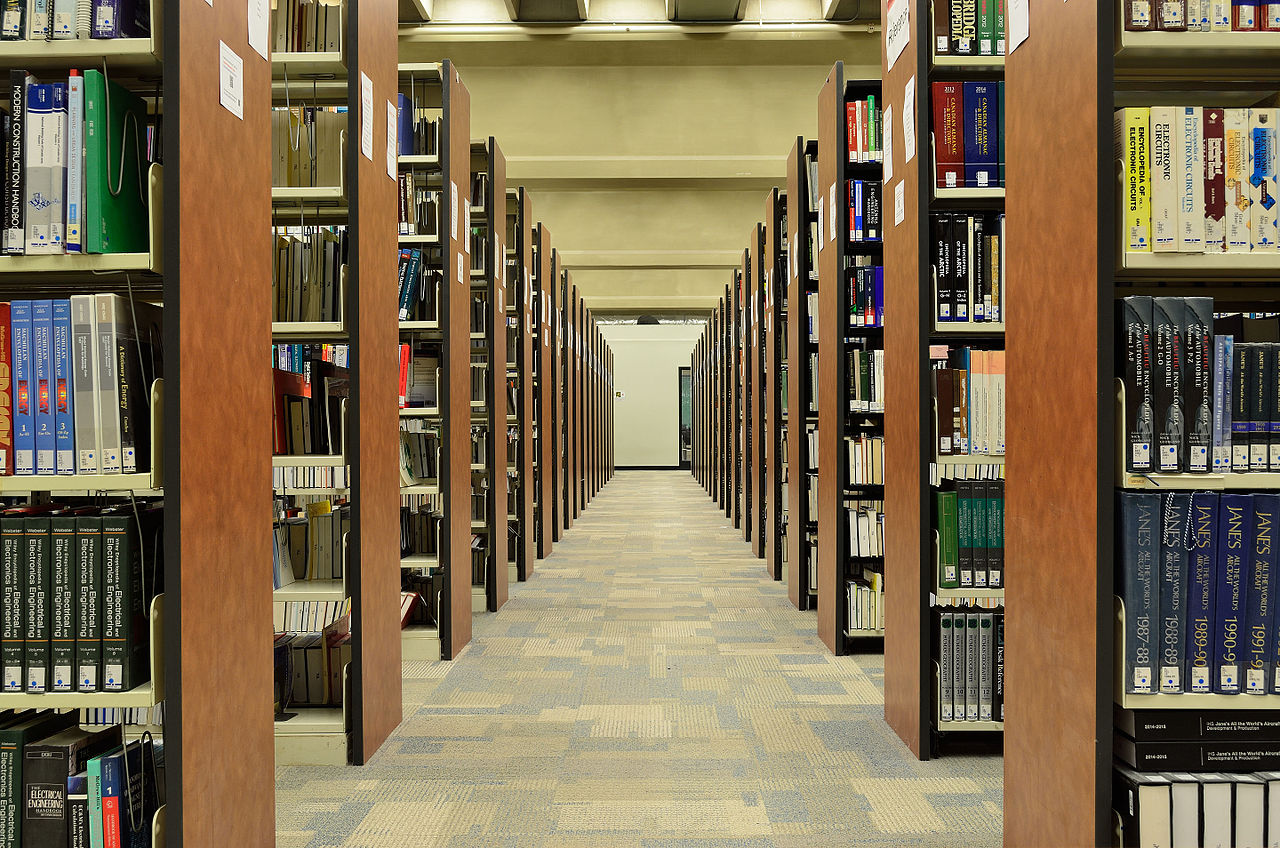
Bookcases organize reading material, protect books from damage and display collections, memorabilia or decorative objects. Maintenance includes controlling humidity and temperature, avoiding direct sunlight, distributing weight evenly, and dusting periodically. Tall or heavy cases should be secured to walls or anchored to prevent tipping; many manufacturers provide guidance on safe installation and load capacities. In public collections, shelving choices also influence accessibility and conservation strategies.
Cultural and practical significance
Beyond storage, bookcases have symbolic and social roles: they can signal interests, form backdrops in domestic and professional spaces, and foster reading or study habits. Collectors and institutions use shelving to organize works by subject, size or chronology, and display techniques vary from dense shelving for reference collections to more open arrangements that emphasize aesthetics.
For introductions to styles and consumer choices see general furniture guides: compare large units. For library shelving standards and institutional practice consult professional resources: library resources. For related furniture categories and storage solutions, including where to buy and measure for installation, consult basic product and design references on books and furniture.
Tags
Related articles
Author
AlegsaOnline.com Bookcase (Bookshelf): Design, History, Types and Uses Leandro Alegsa
URL: https://en.alegsaonline.com/art/13000
Sources
- books.google.com : Austere Luminosity of Chinese Classical Furniture
- simple.wiktionary.org : bookcase