
Rock Hudson: Hollywood career, private life, and cultural legacy
Overview of Rock Hudson (1925–1985): his rise as a 1950s–60s leading man, notable films and television work, private life, AIDS diagnosis and the cultural consequences of his death.
Rock Hudson (born Roy Harold Scherer Jr., 1925–1985) was an American film and television actor who became one of the most recognizable leading men of mid-20th century Hollywood. Tall, smooth-featured and carefully promoted by the studio system, he was widely associated with romantic comedies and large-scale dramas. Over more than three decades he appeared in close to seventy films and numerous television projects, and he won multiple Golden Globe Awards for his screen work. For general biographical summaries see biographical summaries.
Image gallery
6 Images


Early life and entry into film
Born in the Midwestern United States, he adopted the stage name Rock Hudson early in his studio career and moved into supporting roles before becoming a leading man. His rise followed the pattern common in the studio era: contract work, image-building through publicity, and eventual casting in higher-profile projects. Contemporary and retrospective accounts of the studio system provide context for his early career and the way personalities were shaped for mass audiences; see studio-era histories for more background.
Film career and notable roles
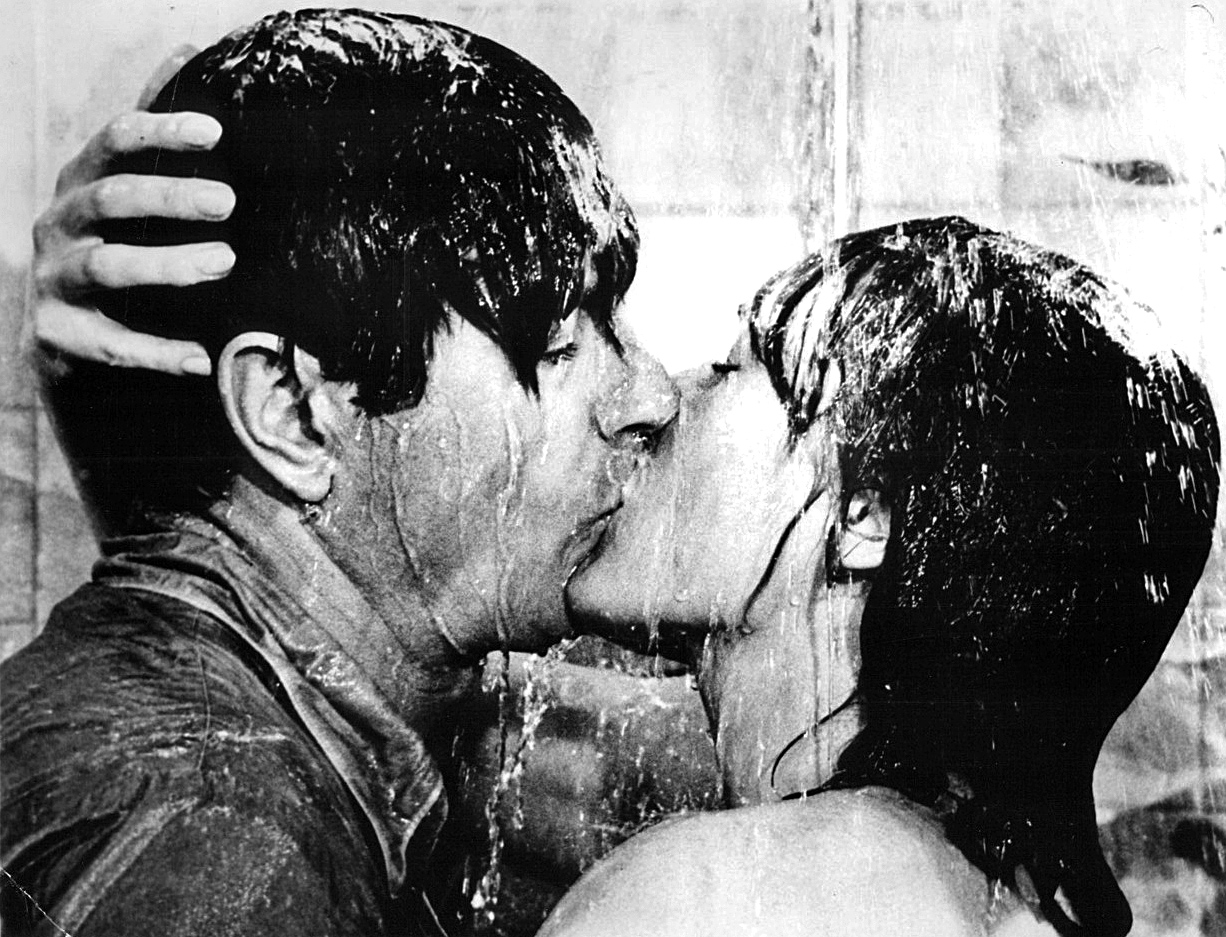
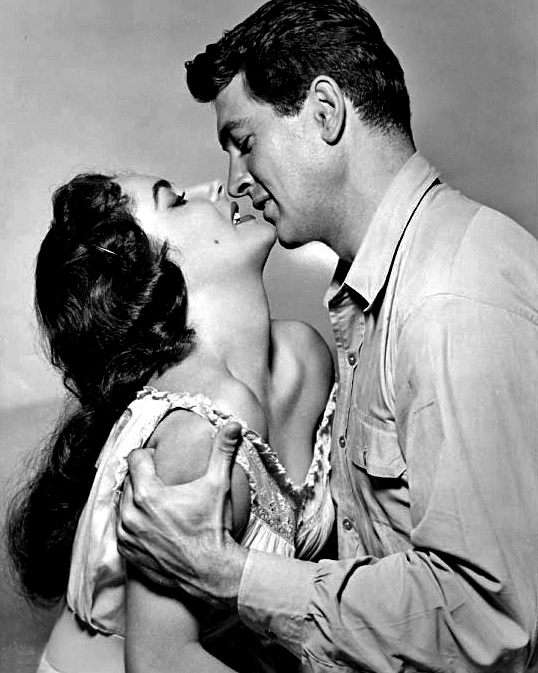
Hudson became best known to the public for a string of romantic comedies and for a few major dramatic parts that demonstrated his range. He was often paired with popular co-stars and benefited from strong studio marketing that emphasized his screen presence and romantic appeal. Highlights frequently mentioned in surveys of mid-century cinema include:
- Pillow Talk and other romantic comedies in which his chemistry with leading actresses helped define the era's sophisticated, urbane comic romances.
- Giant and other dramatic films that gave him an opportunity to work in more serious, ensemble-driven storytelling.
- Smaller commercial pictures and melodramas that showed his ability to anchor varied genres under studio direction.
Filmographies and annotated listings offer fuller guides to his output; consult curated listings at film archives and reference collections as starting points: filmographies, archive guides.
Television work and later projects
As the movie industry changed in the 1960s and 1970s, Hudson also moved into television work, appearing in series, miniseries and made-for-TV movies. Television roles extended his visibility to new audiences and reflected a broader pattern of film stars crossing into the small screen. For surveys of his television appearances see television overviews.
Public image, private life
Hudson's public image was tightly managed by studios and publicity agents. He married in the 1950s and later divorced; much of his personal life was kept private for decades. After his death it became widely reported and discussed that he had been a closeted gay man during much of his career. The complexities of how studios, agents and the media handled stars' personal lives are explored in many cultural histories; see discussions of celebrity and secrecy at biographical retrospectives.
AIDS diagnosis, public reaction and impact
In 1985 Hudson publicly announced he was ill with AIDS and died that same year. His illness and death were major international news and are widely credited with focusing public attention on the AIDS epidemic at a time when visibility was low and stigma was high. The attention mobilized increased media coverage, philanthropic efforts and political discussion about public health responses and research funding. Analyses of this period and its aftermath are available in contemporary reporting and later cultural studies: coverage and analysis.
Legacy
Rock Hudson is remembered for his contribution to the image of the Hollywood leading man and for the role his final months played in changing public discourse about a major public-health crisis. Film scholars and cultural historians continue to study his career as an example of studio-era stardom, star image construction, and the intersection between celebrity privacy and public responsibility. His films remain part of classic Hollywood repertoires and his life is often discussed in broader narratives about sexuality, fame and health advocacy in the late 20th century.
For readers seeking more detailed film-by-film information, awards histories and in-depth cultural analysis, consult the linked resources and major film reference works. These sources provide timelines, critical commentary and archival materials useful for both casual readers and researchers interested in mid-century American cinema and its social dimensions.
Author
AlegsaOnline.com Rock Hudson: Hollywood career, private life, and cultural legacy Leandro Alegsa
URL: https://en.alegsaonline.com/art/129892