
Robert C. "Bud" McFarlane — U.S. Marine, National Security Advisor, and Iran–Contra Figure
Profile of Robert C. McFarlane, U.S. Marine Corps officer who served as National Security Advisor under President Reagan, later involved in the Iran–Contra affair, and pardoned by President George H. W. Bush.
Robert Carl "Bud" McFarlane (July 12, 1937 – May 12, 2022) was an American Marine Corps officer and national security official. He is best known for serving as National Security Advisor to the President of the United States and for his later role in the Iran–Contra controversy. McFarlane's career combined military service, government policy work, and later public reflection on the limits of executive decision-making.
Image gallery
6 Images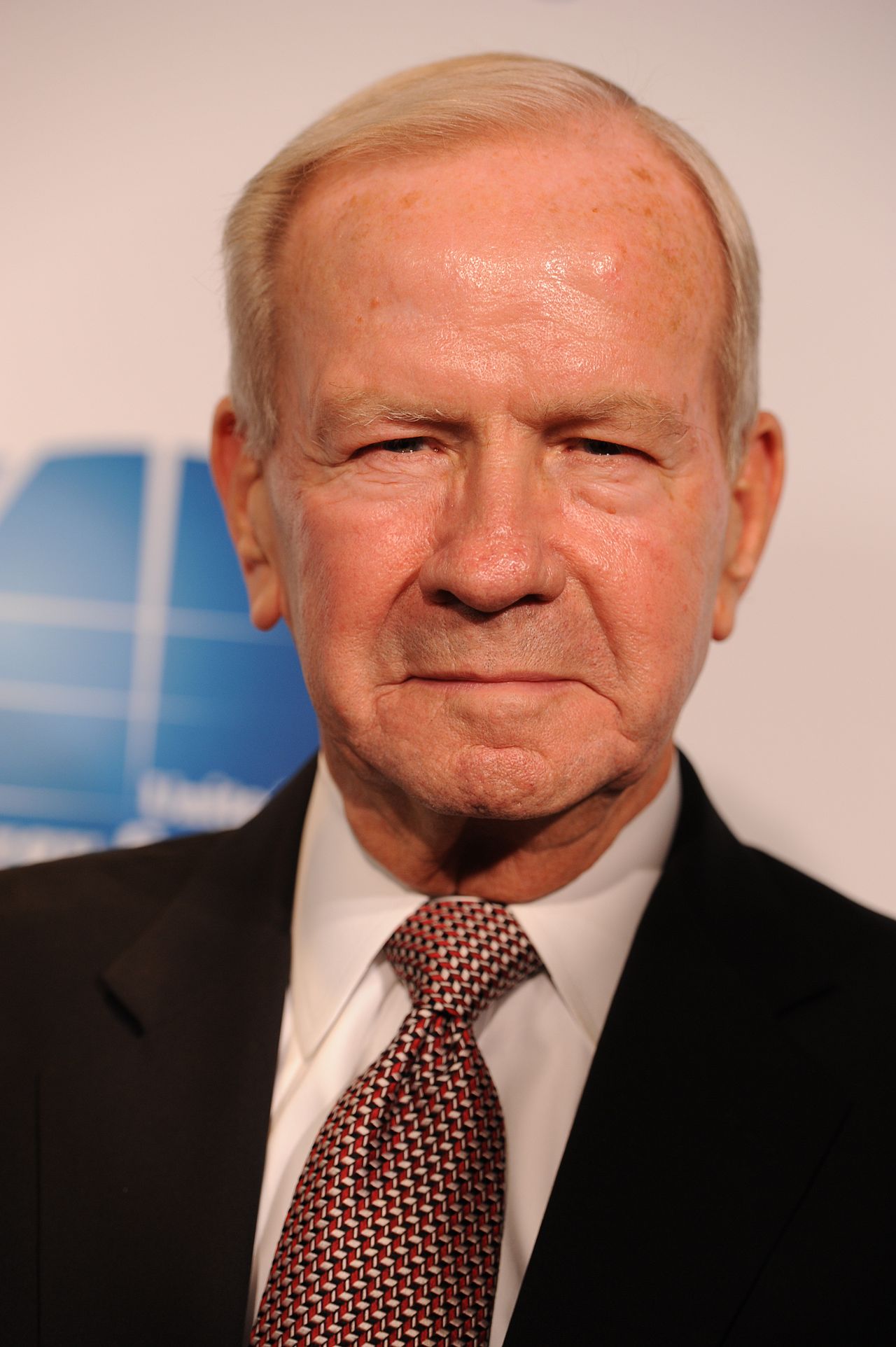


Early life and military career
McFarlane served as an officer in the United States Marine Corps and rose through positions that involved planning and staff work. His military background provided the operational and strategic experience that underpinned his later work in defense and national security policy. Over the course of his career he moved between uniformed service and civilian policy posts, a common path for senior defense advisers in the late 20th century.
White House roles and responsibilities
During the administration of Ronald Reagan, McFarlane served in senior national security roles, including as National Security Advisor from 1983 to 1985. In that capacity he coordinated interagency discussion on defense, diplomacy, and crisis response, advised the President of the United States, and supervised a staff that worked on global strategy during a tense phase of the Cold War.
Iran–Contra affair
McFarlane became a central figure in the Iran–Contra affair, a complex political controversy involving covert arms transfers to Iran and diversion of funds to support Contra rebels in Nicaragua. He later pleaded guilty to charges related to his participation in negotiations and communications connected to those operations. The legal and political fallout from the affair affected multiple officials and prompted extensive investigations and congressional hearings.
Pardon, later life, and death
After admitting to his role, McFarlane received a pardon from President George H. W. Bush, which resolved outstanding federal legal exposure from the prosecutions tied to Iran–Contra. In subsequent years he wrote and spoke about national security, leadership, and the lessons he drew from the episode. McFarlane died on May 12, 2022, in a hospital in Lansing, Michigan, from complications of lung disease at age 84.
Legacy and notable facts
- He exemplified a generation of military officers who moved into high-level civilian security roles.
- His tenure illustrates the challenges of coordinating covert operations across agencies and the legal and ethical scrutiny such operations can generate.
- McFarlane's experience remains a reference point in discussions about executive authority, oversight, and the consequences of back-channel diplomacy.
For further reading on the broader Iran–Contra context and the era's national security debates, consult authoritative histories and declassified government reports that examine the decisions and oversight issues that shaped these events.
Author
AlegsaOnline.com Robert C. "Bud" McFarlane — U.S. Marine, National Security Advisor, and Iran–Contra Figure Leandro Alegsa
URL: https://en.alegsaonline.com/art/129787