
River Phoenix: Life, Work, and Cultural Legacy
Overview of River Phoenix — his early life, major film roles, music and activism, the circumstances of his premature death, and his continuing cultural influence.
River Jude Phoenix (August 23, 1970 – October 31, 1993) was an American actor, musician and activist whose brief career left a lasting impression on independent and youth‑oriented cinema. Known for naturalistic, emotionally candid performances, he emerged as a prominent young actor in the 1980s and early 1990s and used his public profile to promote environmental and animal‑rights causes. Overview
Image gallery
4 Images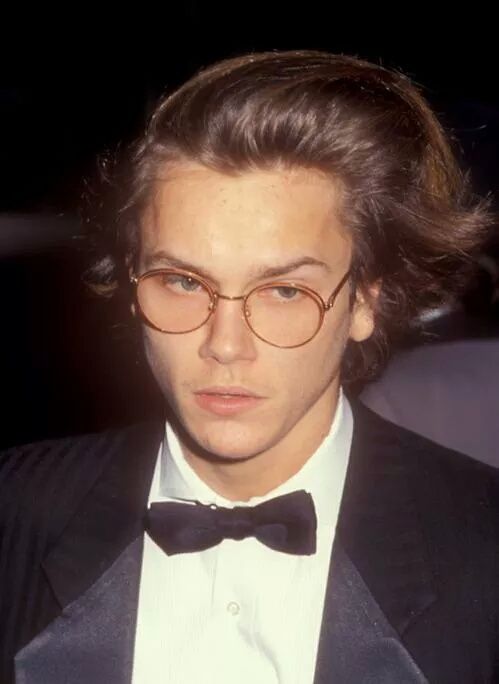


Early life and family
Phoenix was born in Madras, Oregon, and raised in a family that valued unconventional living and social activism. His parents, Arlyn and John, encouraged the children to perform, and River and his siblings worked in commercials and television to help support the family. He was the eldest of several children and the best‑known sibling for many years; his younger brother Joaquin Phoenix later became a prominent actor in his own right. The family surname, Phoenix, was adopted as a symbolic new beginning after an earlier period of change.
Career and notable roles
Phoenix drew attention early for a series of supporting parts and gradually moved into leading roles that highlighted a restrained, empathetic style. He became widely known after his performance in the coming‑of‑age film Stand by Me, and he earned broad critical recognition for his portrayal of a troubled young man in Running on Empty, which brought him an Academy Award nomination. Later work demonstrated his range across independent and studio projects; several of the films he completed in life and those released posthumously have continued to be discussed by critics and fans. For information on specific films and roles, see links below:
- Stand by Me — early breakout role in a youth ensemble drama.
- Indiana Jones and the Last Crusade — a small but memorable appearance in a major studio franchise.
- My Own Private Idaho — a leading role in an influential independent drama.
- Running on Empty — performance that earned an Academy Award nomination and wide critical praise.
- Dark Blood — a film that remained unfinished at his death and was later completed and released to public attention.
Music, public life and activism
In addition to his screen work, Phoenix performed as a musician and appeared at benefit concerts. He was a visible advocate for environmental protection and animal rights, spoke publicly about vegetarianism and conservation, and supported grassroots campaigns and charities. His activism was repeatedly noted in press coverage and tributes, and he sought to use his prominence to encourage awareness of causes he considered important. Activism
Personal life
Phoenix was private about romantic relationships and never married. As a young public figure he navigated the pressures of fame while remaining outspoken about issues that mattered to him, a combination that contributed to his complex public image. He maintained close ties with family and friends who later spoke about his generosity, artistic seriousness and commitment to ethical causes.
Death and aftermath
On October 31, 1993, Phoenix collapsed outside a nightclub in West Hollywood and was later pronounced dead at age 23. Official accounts attributed his death to acute intoxication and drug‑related heart failure. The event produced intense media coverage, prompted discussions about substance use and mental health, and raised questions about the responsibilities of the entertainment industry toward young performers. Circumstances
Posthumous releases and legacy
After his death, several of Phoenix’s projects and recordings attracted renewed attention. Dark Blood, a film left incomplete at the time of his passing, was later screened in reconstructed form and examined as part of his artistic legacy. Critics, filmmakers and actors have cited Phoenix’s early work as influential on the tone and approach of independent cinema in the late 20th century. His performances are still referenced for their emotional honesty and for the way they expanded expectations of youth roles on screen. The cultural response to his life and death also contributed to ongoing public conversations about addiction, support networks for artists, and the pressures associated with early fame. Legacy
For readers seeking further factual detail, archival interviews, filmographies and analyses are available through film archives, biographies and critical studies that examine both Phoenix’s work and the social context in which he became a notable figure. More
Author
AlegsaOnline.com River Phoenix: Life, Work, and Cultural Legacy Leandro Alegsa
URL: https://en.alegsaonline.com/art/129647