
Ray Rayner: Chicago children's television personality
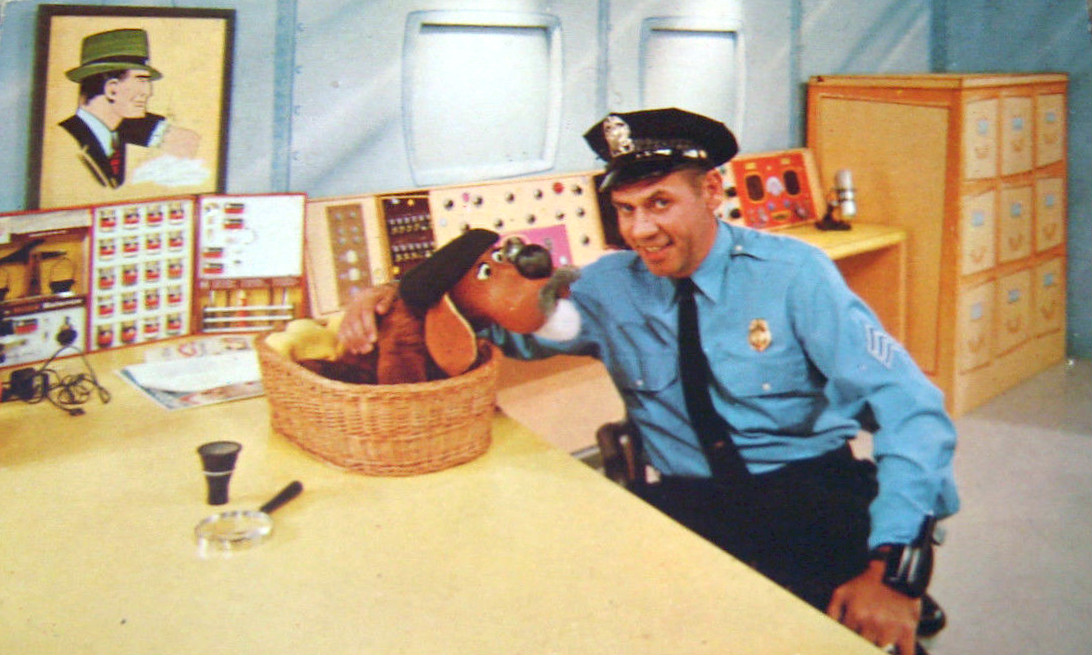
Ray Rayner (1919–2004) was an American television presenter best known for his long-running children's programs on WGN-TV in Chicago and for the character Oliver O. Oliver on The Bozo Show.
Ray Rayner (born Raymond M. Rahner; July 23, 1919 – January 21, 2004) was an American television presenter widely associated with children’s programming in Chicago, Illinois. Born in New York City, Rayner built a reputation as a warm, slightly eccentric on-screen host whose shows combined simple entertainment, live improvisation and a gentle rapport with young audiences.
Image gallery
4 Images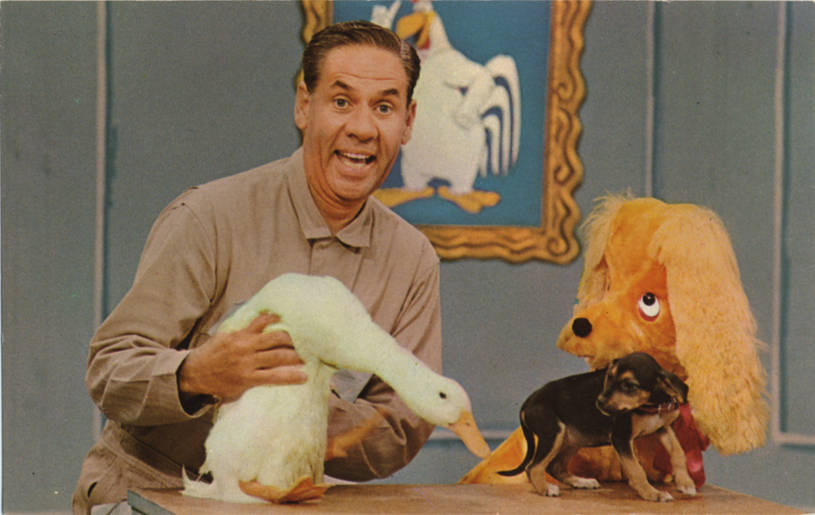


Career and on-screen persona
Rayner became a familiar face on WGN-TV, where he presented programs that mixed cartoons, educational segments and comedy bits. He starred in programs billed as "Ray Rayner and His Friends," and made recurring appearances on the popular clown-led program often known as The Bozo Show. On Bozo he performed the role of Oliver O. Oliver, a comedic supporting character who played off the other regulars.
Notable features and style
Rayner’s shows were characterized by an informal, homey feel. He used simple props, audience participation and a conversational approach rather than polished spectacle. His work appealed to children by blending silliness with a trustworthy, grandfatherly presence; parents and colleagues remembered him for an easygoing charm and an ability to improvise.
Legacy and later life
Over decades on local television, Rayner helped shape a generation’s experience of after-school programming in Chicago. His programs are remembered as part of a broader era when regional stations produced distinctive children's content tailored to local viewers. Rayner retired from regular broadcasting but remained linked to the city and its media community.
Death and remembrance
Ray Rayner died on January 21, 2004, at age 84 in Fort Myers, Florida, from complications of pneumonia. Tributes after his death highlighted his contribution to local television and his enduring connection with audiences who grew up watching his shows.
- Birth name: Raymond M. Rahner
- Known for: children's television hosting and character work
- Main station: WGN-TV
For those researching regional television history, Ray Rayner represents the era when local personalities could become cultural touchstones by combining simple production values with charismatic, live presentation.
Author
AlegsaOnline.com Ray Rayner: Chicago children's television personality Leandro Alegsa
URL: https://en.alegsaonline.com/art/129324