
Quentin Crisp: English writer, performer and cultural figure
Quentin Crisp (1908–1999) was an English writer, raconteur and actor, famed for his memoir The Naked Civil Servant, his flamboyant public persona, and enduring influence on modern attitudes to gender and sexuality.
Overview
Quentin Crisp, born Denis Charles Pratt on 25 December 1908, became a distinctive figure in 20th‑century British culture. He adopted the name Quentin Crisp after leaving home and spent much of his life cultivating a public identity as a witty, outspoken commentator on manners, taste and individuality. For a concise introduction to his life and work see biographical summaries.
Image gallery
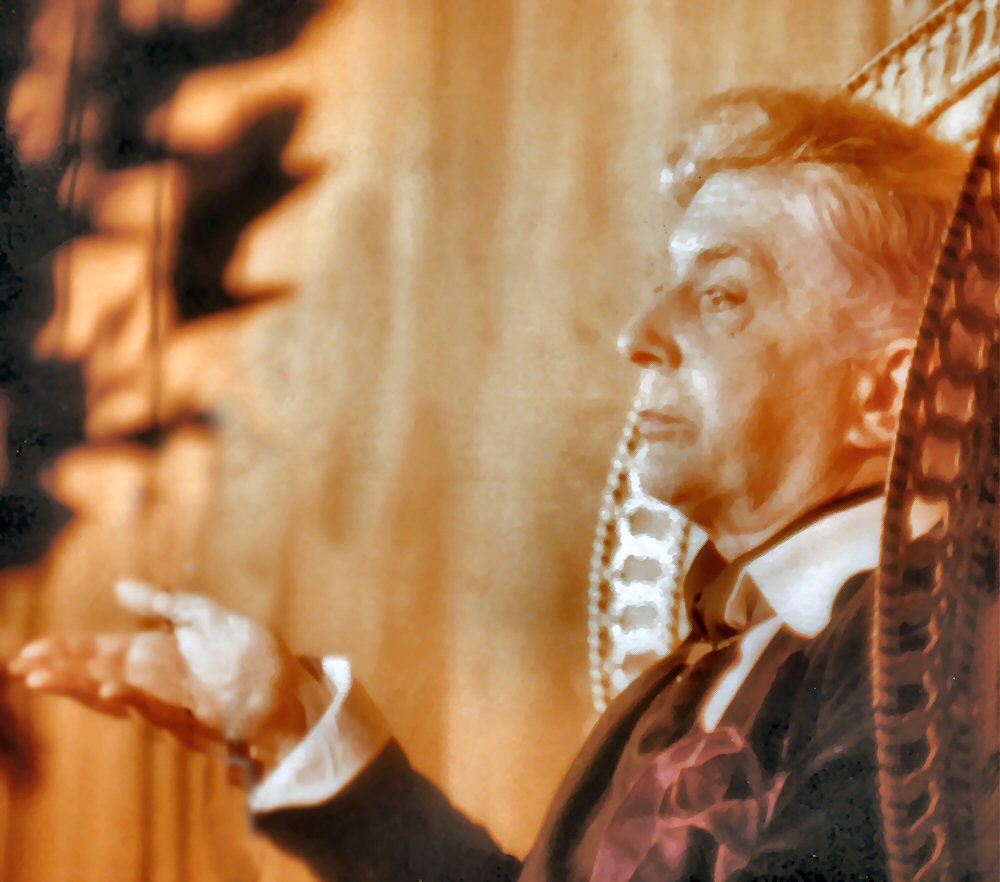
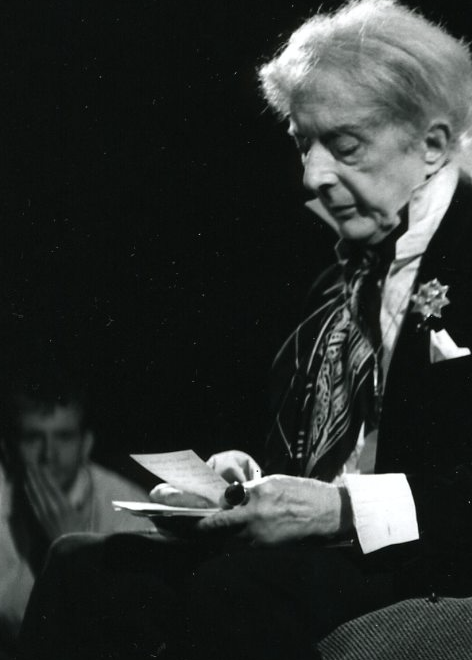
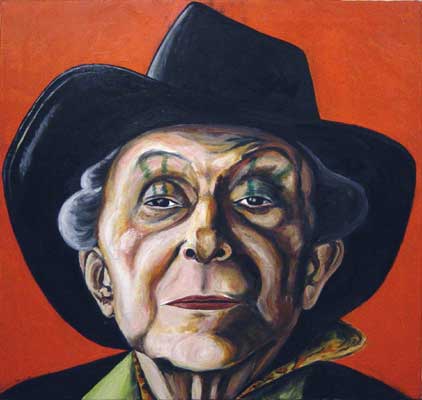
5 Images

Early life and self‑presentation
Crisp was born in Sutton, Surrey and moved to central London as a young man. He was openly gay long before such visibility was common, and his manner — camp, meticulously dressed and deliberately provocative — made him both admired and controversial. During his early years in the city he supported himself in sometimes precarious ways, later describing this period candidly in his writing.
Career and major works
He modelled for art students and wrote essays, memoirs and newspaper pieces. His best‑known book, The Naked Civil Servant, first brought wider attention to his life and attitudes; its adaptation for television helped raise his public profile. He also worked as an actor and performer, appearing in readings, stage shows and screen projects while remaining primarily known as an original public personality. He left London for a period and made New York his base in the 1980s; see accounts of his move to Manhattan and related interviews.
Public persona and influence
Crisp combined humour, aphorism and provocation. He was a raconteur who turned personal anecdote into broader reflections on social norms, privacy and authenticity. His style influenced later writers, performers and activists and he has been cited as an icon in LGBT cultural history. Commentaries on his identity and public stance can be found in cultural studies and memoirs; some resources explore how his life intersected with changing laws and attitudes toward gay people.
Notable facts and legacy
- He changed his name and fashioned a deliberate public image that blurred life and performance.
- He wrote candidly about sex work and life‑modelling in ways that challenged mid‑century proprieties.
- His wit and command of language made him a sought‑after speaker and commentator.
Final years and death
In later life Crisp continued to give talks and publish reflections. He died on 21 November 1999 after suffering a heart attack while in Manchester to give a speech. His life has been the subject of biographies, adaptations and scholarly interest; further material and archives are available through specialist collections and interviews listed at research resources.
Author
AlegsaOnline.com Quentin Crisp: English writer, performer and cultural figure Leandro Alegsa
URL: https://en.alegsaonline.com/art/129075