
Pierre de Coubertin — founder of the modern Olympic Movement
French educator and historian who revived the modern Olympic Games, founded the International Olympic Committee, and promoted sport as an element of education and international cooperation.
Overview
Pierre de Frédy, Baron de Coubertin (1 January 1863 – 2 September 1937) was a French educator and public figure best known for leading the revival of the modern Olympic Games. Trained and active as a teacher and historian, he argued that physical activity and sport should form an essential part of education and civic life. His efforts culminated in the creation of the organization that continues to oversee the Olympic Movement worldwide, the International Olympic Committee.
Image gallery
9 Images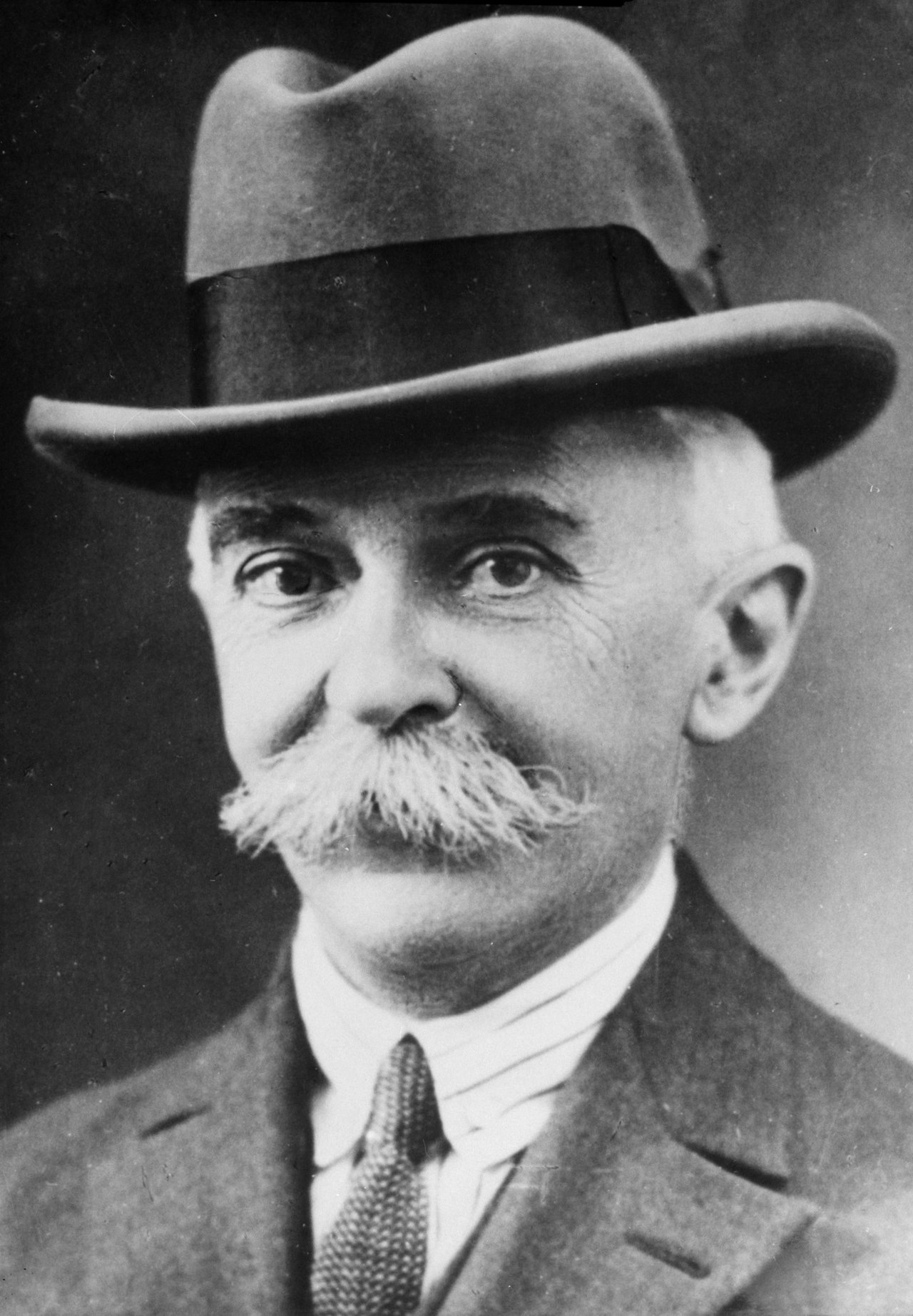


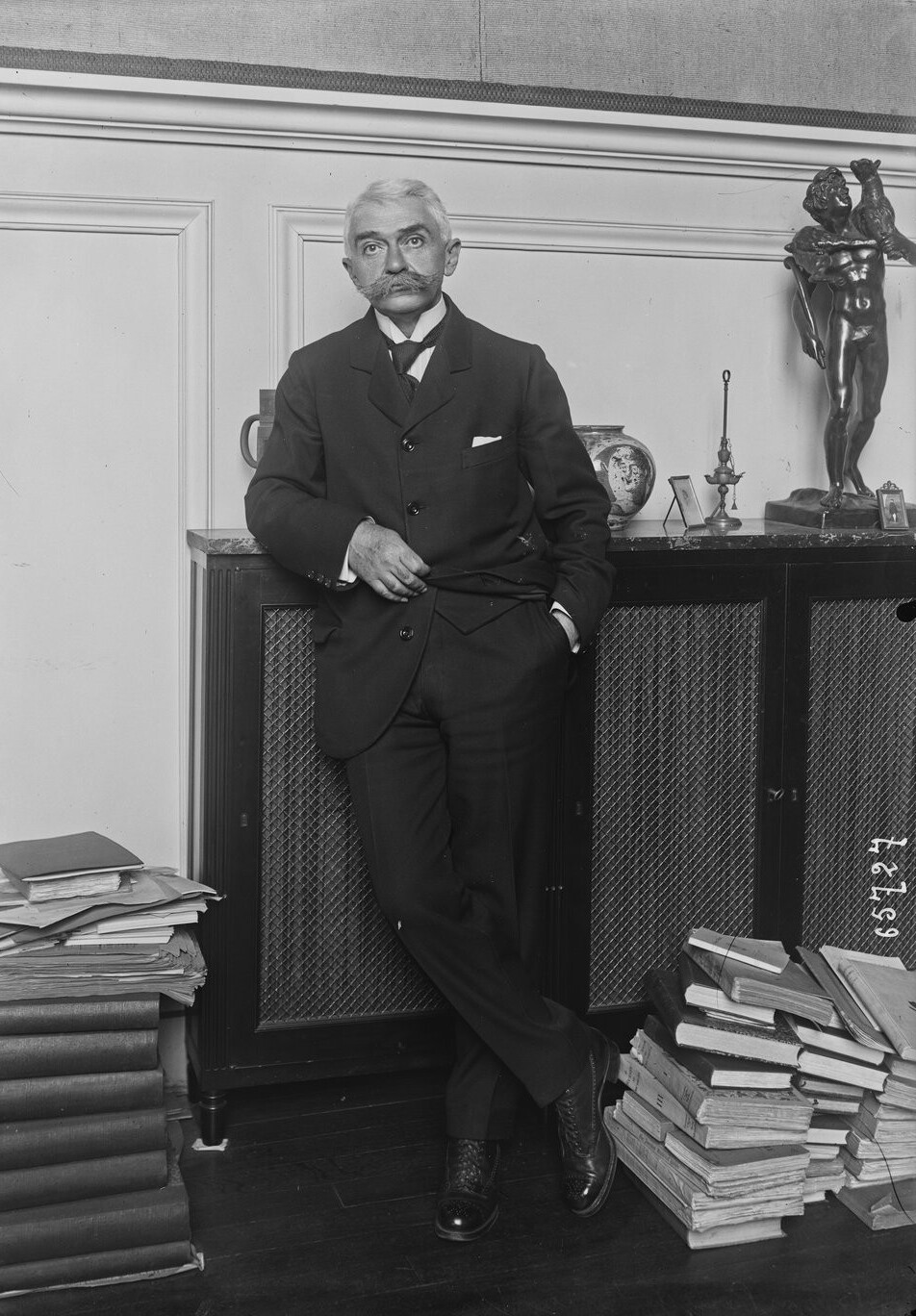


Early life and influences
Coubertin came from a French aristocratic family and was deeply influenced by classical education and European debates about schooling and national health. He admired aspects of the ancient Greek gymnasium and contemporary British amateur sports, believing that organized athletics could foster character, teamwork and international understanding. He wrote and lectured on pedagogy and physical culture, linking athletic training to broader civic aims.
Revival of the Olympic Games
In the 1890s Coubertin campaigned for an international sporting festival modeled on the ancient Olympic tradition. He convened a congress of delegates in which the idea of modern Olympic Games was formalized and an international body established to manage them. The first of the modern Olympic Games took place a few years later and set in motion a recurring international competition that continues today. He also helped promote the movement's guiding motto, "Citius, Altius, Fortius" ("Faster, Higher, Stronger").
Principles and activities
Coubertin emphasized several interlocking principles that shaped early Olympic practice:
- Sport as education: athletic practice should complement schooling and moral development.
- Internationalism: sport as a vehicle for peaceful contact between nations.
- Amateurism: an early preference for non-professional competitors, which later became a contested policy.
- Organizational governance: creation of permanent rules and assemblies to stage international events.
He published essays and gave speeches on these themes, influencing schools and sporting bodies across Europe and beyond. His writings also touched on the historical study of sport and the way national character might be expressed through athletic success; readers can find summaries of his published ideas in many general histories of sport and education (historical accounts).
Legacy and controversies
Coubertin's name remains closely associated with the modern Olympic Movement and with the ideal of combining intellectual and physical education. Over time, some of his positions—especially the strict amateur rules and elements of social elitism in early Olympic organization—have been criticized and revised. The Olympic Movement itself evolved to include professional athletes, broader participation by women and far greater global reach than Coubertin might originally have envisioned.
Notable facts
- He held the title Baron de Coubertin and published widely on education and sport.
- The international committee he helped found still organizes the Olympic Games and related activities.
- Many aspects of modern Olympic ceremony and symbolism reflect the formative era in which he worked, though several traditions developed after his lifetime (see modern Olympic symbols for context).
Taken together, his life combined scholarship, institutional innovation and a sustained campaign to place athletic training at the heart of modern education and international exchange. For introductory resources and archival materials about his life and work, consult general biographies and institutional histories available through major libraries and sport history collections (International Olympic Committee resources).
Author
AlegsaOnline.com Pierre de Coubertin — founder of the modern Olympic Movement Leandro Alegsa
URL: https://en.alegsaonline.com/art/128764