
Phil Woods (American jazz alto saxophonist and bandleader)
Phil Woods (1931–2015) was an American bebop alto saxophonist, clarinetist, bandleader and composer known for a Parker-influenced style, notable recordings and wide-ranging session work.
Phil Woods (November 2, 1931 – September 29, 2015) was an American jazz alto saxophonist, clarinetist, bandleader and composer. Born in Springfield, Massachusetts, he became one of the most respected practitioners of bebop-derived alto saxophone in the postwar era. Over a career spanning more than half a century he combined virtuosic technique with a warm, lyrical tone and was frequently in demand as both a leader and a sideman. For a concise overview of his life see biography.
Image gallery
3 Images
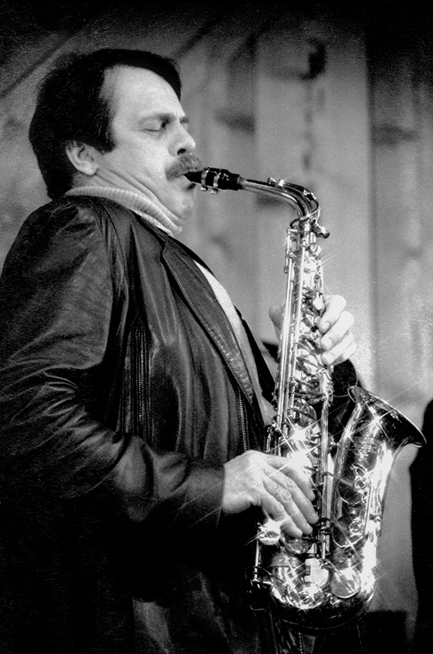

Musical style and influences
Woods's playing drew directly on the language of Charlie Parker and other bebop pioneers but evolved into a personal voice marked by clear articulation, strong melodic sense and rhythmic drive. He alternated fiery, hard-driving solos with tender, songlike lines and was also proficient on clarinet. Critics and fellow musicians praised his combination of technical mastery and emotional directness; listeners often note his ability to balance bebop complexity with accessible phrasing. For commentary on his style consult critical essays.
Career highlights
Woods rose to prominence in the 1950s and led numerous ensembles while maintaining an active career as a studio and session musician. Among his best-known recordings is the 1974 album often cited for its artistry, and he achieved crossover recognition with a memorable saxophone solo on a popular 1970s pop ballad; both studio work and leader dates illustrate his versatility. He worked with many leading jazz figures and appeared on a wide range of recordings—details and discography are available at discography and recording credits.
Composer, bandleader and educator
As a composer and bandleader, Woods organized small groups and larger ensembles, performing original material alongside standards. His groups showcased both improvisational skill and tightly arranged ensemble work. He influenced younger players through performances, recordings and occasional teaching; resources on his compositions and arrangements can be found at works and scores and charts.
Legacy and death
Woods remained active into his later years and was celebrated for sustaining the bebop tradition while bringing it into modern contexts. He died from emphysema on September 29, 2015 in East Stroudsburg, Pennsylvania, at the age of 83. Obituaries and tributes reflect his standing in the jazz community; see remembrances at tribute and memorial.
Selected readings and recordings
- Selected discography and recommended albums
- Profiles and interviews covering his approach, career and collaborations: see the linked resources above
- Collections of his recorded solos and performances offer accessible entry points for listeners and students
Phil Woods is remembered as a bridge between bebop's innovators and later generations, an expressive soloist and a disciplined bandleader whose recordings remain a touchstone for alto saxophone players and jazz fans alike.
Author
AlegsaOnline.com Phil Woods (American jazz alto saxophonist and bandleader) Leandro Alegsa
URL: https://en.alegsaonline.com/art/128727