
Peter Tork: Musician and Actor, Member of The Monkees
Peter Tork (1942–2019) was an American musician and actor who rose to fame as a member of The Monkees, beginning in the 1960s; he continued performing with bands and in reunions until his death.
Overview
Peter Tork (born Peter Halsten Thorkelson, February 13, 1942 – February 21, 2019) was an American actor and musician best known for his role in the pop-rock group and television series The Monkees. He first gained public attention in the mid-1960s, combining a background in folk music with a television persona that made him one of the more recognizable faces of the era. Tork balanced on-screen comedy with genuine instrumental talent, contributing to the group's performances both on television and in concert.
Image gallery
7 Images

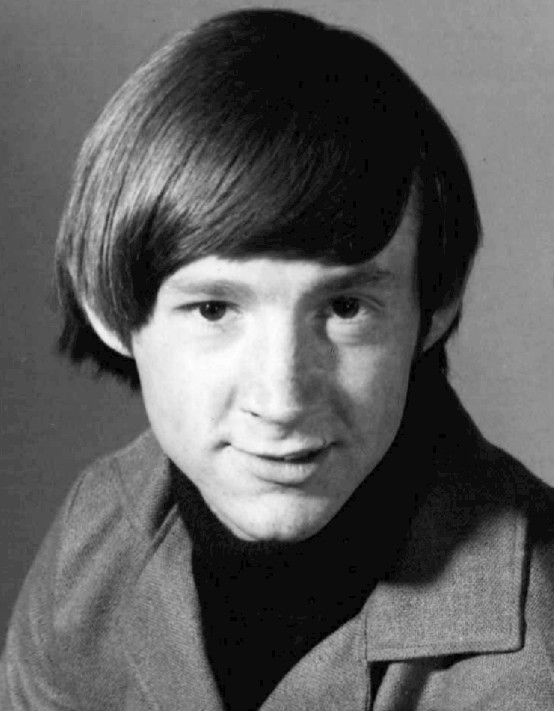


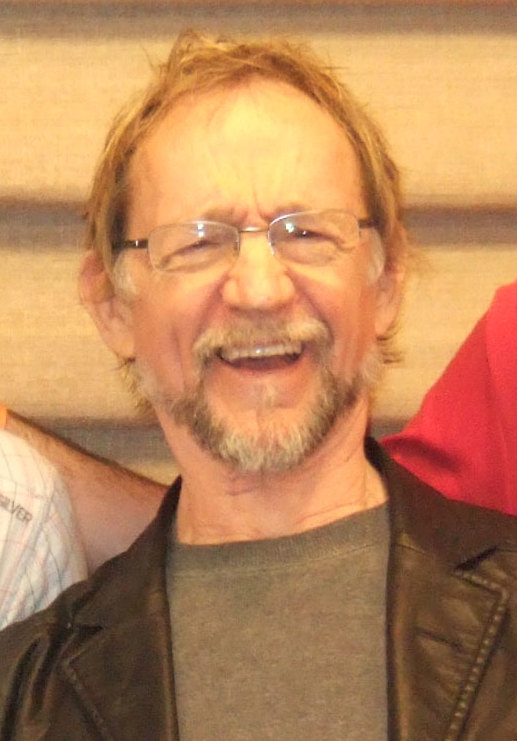

Early life and folk career
Tork was born in Washington, D.C., and by the 1960s he had become part of the American folk scene. He worked as a folk musician in venues and clubs, particularly in Greenwich Village, where many young performers were developing new approaches to traditional music and contemporary songwriting. That folk background shaped his musical sensibilities and his facility on several instruments, including bass, guitar and keyboards.
Joining The Monkees and television fame
When television producers assembled a band for a scripted pop-comedy series, Tork was recommended by his friend Stephen Stills and cast alongside three other performers. The show and the real-life group quickly became a commercial phenomenon. Tork's public image on the series emphasized a good-natured, sometimes bemused character, though the portrayal contrasted with his practical musicianship behind the scenes. After the program ended, Tork's relationship with the group shifted as members pursued different priorities; he ultimately left the band as they moved beyond the television format.
Later career, reunions, and musical projects
Following the original television run, Tork continued to perform in a variety of settings. He toured, recorded solo material and led bands that explored folk, blues and rock traditions. At times he reunited with former bandmates for tours and special events; at other times he concentrated on smaller-scale projects and collaborations. His later live work often emphasized his instrumental skill and love of blues and roots music, and he was involved with blues-oriented ensembles as well as acoustic partnerships.
Notable facts and contributions
- Tork brought a folk and multi-instrumentalist sensibility to a group often associated with pop studio production.
- Though the TV series shaped his public image, colleagues and critics acknowledged his genuine musical ability and stage presence.
- He participated in reunion tours and recordings with fellow Monkees at various times while also maintaining independent projects.
Death and legacy
Peter Tork died on February 21, 2019 in Mansfield, Connecticut, at the age of 77 after an illness attributed to a rare form of throat cancer. His passing prompted reflections on a varied career that moved between television spectacle and committed musicianship. Tork is remembered both for his role in a landmark 1960s pop-cultural phenomenon and for a later life spent pursuing music with sincerity and a preference for live performance over celebrity.
For further reading about his career and recordings, see biographical summaries and discographies that chronicle his work as an television performer and recording artist, his Greenwich Village roots, and accounts of how friends like Stephen Stills helped introduce him into the music-and-television crossover that made The Monkees a cultural touchstone. Archival interviews and reunion coverage also document the many ways he returned to the stage with former bandmates and new collaborators.
Washington, D.C., Greenwich Village, and the early folk circuit remain important contexts for understanding the musical training that informed his later work; his career illustrates how 1960s popular media could elevate performers who also maintained authentic roots in the live-music tradition.
Folk, pop, and blues threads all appear in Tork's recordings and concert programs, and examinations of his life highlight the tension—and the productive overlap—between manufactured pop success and longtime devotion to live musicianship.
See additional resources and archival materials via music collections and authorized biographies for more detail on Tork's recordings, tours and later collaborations.
Author
AlegsaOnline.com Peter Tork: Musician and Actor, Member of The Monkees Leandro Alegsa
URL: https://en.alegsaonline.com/art/128582