
Per Albin Hansson
Swedish Social Democratic leader and long-serving prime minister who shaped the modern Swedish welfare state and led Sweden through the 1930s and World War II era.
Overview
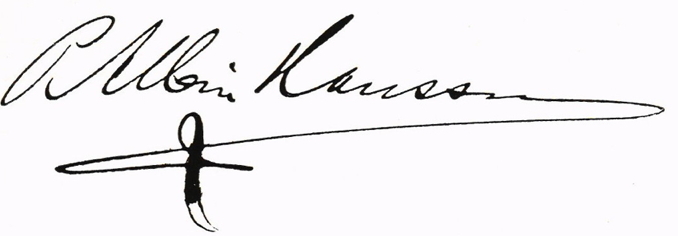
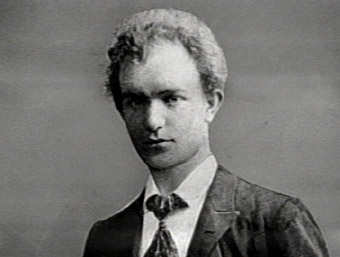
Per Albin Hansson (born 28 October 1885 in Kulladal, died 6 October 1946 in Stockholm) was a leading figure in Swedish politics during the first half of the 20th century. A member of the Swedish Social Democratic Party, he served as Prime Minister for most of the period from 1932 until his death in 1946. Hansson is best known for articulating the idea of the "people's home" (folkhemmet) and for promoting social and economic reforms that expanded the welfare state in Sweden.
Image gallery
8 Images


Political career and roles
Hansson rose from a working-class background and became prominent within the Social Democratic movement. He led his party during the Great Depression and the turbulent years surrounding World War II. As head of government he guided Sweden through economic recovery and pursued pragmatic policies aimed at social security, housing, public health, and labor rights. During the war years he steered a government committed to Swedish neutrality while cooperating with other parties to preserve national unity.
Policies and legacy
The phrase folkhemmet that Hansson popularized expressed a vision of society as a home where citizens enjoy mutual responsibility and social protection. Under his leadership, Swedish policy moved toward universal social insurance, expanded pensions, public employment measures, and housing programs. These changes did not create a finished welfare state overnight, but they laid institutional and political foundations that later governments built on.
Notable features and distinctions
- Emphasis on consensus politics and cross-party cooperation during crises.
- Promotion of a comprehensive, state-supported system of welfare benefits.
- Reputation as a pragmatic administrator rather than an ideologue.
- Death in office in 1946 after a long period of leadership.
Historical context and importance
Hansson led Sweden during two formative decades when many European countries were redefining state responsibility for social welfare. His approach balanced social reform with fiscal caution and political stability. The institutions and debates from his tenure influenced Swedish public policy through the remainder of the 20th century and continue to inform discussions about social democracy, public services, and national identity.
Further information
For concise reference points and archival materials, see the following links:
- Biographical summary and birth record
- Death notice and official records
- Materials related to Stockholm and national government
- Swedish Social Democratic Party history
- Welfare state developments and policy overviews
- Prime Ministerial archives and government documents
- Timeline of Hansson's tenure
- Notes on the 1936 government interruption
Author
AlegsaOnline.com Per Albin Hansson Leandro Alegsa
URL: https://en.alegsaonline.com/art/128448