
Paul Delvaux: Belgian painter of dreamlike, classical Surrealism
Overview of Paul Delvaux (1897–1994), his life, distinctive Surrealist imagery of nudes and trains, training, major roles and legacy including the Paul Delvaux Museum.
Overview
Paul Delvaux (23 September 1897 – 20 July 1994) was a Belgian painter whose work became closely associated with a poetic form of Surrealism. He is widely recognised for carefully rendered, dreamlike scenes that repeatedly place female nudes within architectural spaces, stations, and nocturnal landscapes. Although often grouped with his Surrealist contemporaries, Delvaux developed a personal language that blends classical references, literary imagination and precise figurative technique.
Image gallery
4 Images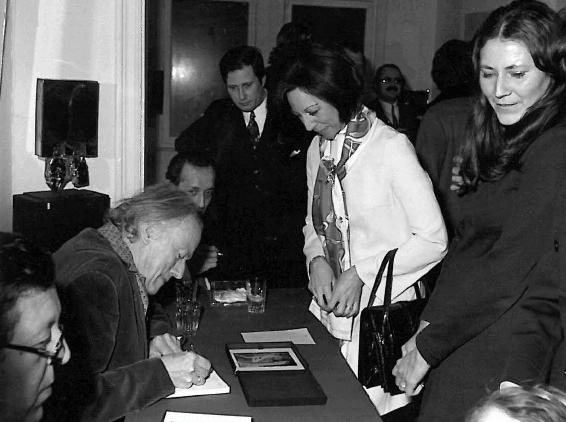


Early life and training
Delvaux was born in Antheit and grew up with an education that combined the arts and the humanities. As a youth he took music lessons and studied Greek and Latin; he read popular and classical literature including authors such as Jules Verne and Homer, both of which helped shape his sense of narrative and myth. Pressures from his family led him initially to study architecture, but he pursued painting through evening classes and mentorships with established artists. He attended the Académie Royale des Beaux-Arts in Brussels and worked with teachers such as Constant Montald and Jean Delville; other respected painters, including Frans Courtens and Alfred Bastien, encouraged his ambitions.
Style, themes and technique
Delvaux combined meticulous draughtsmanship with compositions that evoke the uncanny. His paintings often juxtapose realistic, sometimes classically inspired figures and structures with an atmosphere of stillness and mystery. Recurring motifs include:
- female nudes presented as statuesque, enigmatic figures;
- railway stations, platforms and trains, suggesting transit and liminal spaces;
- classical columns, empty plazas and architectural ruins;
- skeletons or mannequins that introduce a tension between life and symbol;
- nocturnal light and a cool, luminous palette that heightens a sense of solitude.
Technically, Delvaux worked mainly in oil on canvas, favoring smooth surfaces and clear contours that enhance the sense of a staged, theatrical dream.
Career and recognition
Delvaux's early output included about eighty paintings produced between 1920 and 1925; his first solo exhibition took place in 1925. Over the decades that followed he steadily gained recognition across Belgium and internationally. In 1965 he was appointed director of the Académie Royale des Beaux-Arts, a formal acknowledgment of his standing in the Belgian art world. His paintings were shown in galleries and museums and attracted critical interest for their unique merging of narrative, classical motifs and dream imagery.
Legacy and museum
Delvaux's reputation endured into his later years and beyond. In 1982 the Paul Delvaux Museum opened in Saint-Idesbald to collect, preserve and exhibit his work and related materials. The museum became a focal point for study of his art and for visitors seeking to understand his recurring symbols. Paul Delvaux died in Veurne in 1994; his studio practice, fascination with literature and classical education remain central themes in assessments of his achievement. For further reading, biographical and exhibition resources are available through institutional pages and catalogues that document his contributions to 20th-century painting (artist profiles, regional archives).
Notable facts and distinctions
Delvaux is often distinguished from other Surrealists by his restrained, nostalgic mood rather than overt dream logic or automatic techniques. His classical interests and early architectural training gave many of his scenes a sense of constructed theatre rather than purely irrational juxtaposition. Collectors, scholars and museums continue to study the psychological and symbolic depth of his imagery and the way his work bridges academic discipline with imaginative invention (classical influence, literary echoes, architectural framing).
Further institutional resources and digitised collections can be consulted for reproductions and curatorial essays (artist pages, movement overviews, academy archives, museum catalogues).
Author
AlegsaOnline.com Paul Delvaux: Belgian painter of dreamlike, classical Surrealism Leandro Alegsa
URL: https://en.alegsaonline.com/art/128252