
Patrick Wright, Baron Wright of Richmond: British Diplomat and Peer
Patrick R. H. Wright (1931–2020) was a senior British diplomat, Head of HM Diplomatic Service, life peer and crossbench member of the House of Lords, noted for Middle East postings and long service at the Foreign Office.
Patrick Richard Henry Wright, Baron Wright of Richmond (28 June 1931 – 6 March 2020) was a senior British diplomat who rose to the top of the United Kingdom's Foreign Service and later served in the House of Lords. His career spanned bilateral ambassadorships, senior management roles at the Foreign and Commonwealth Office and public service after retirement. He was widely regarded for his expertise on Middle Eastern affairs and for guiding the professional diplomatic corps during periods of change.
Image gallery
2 Images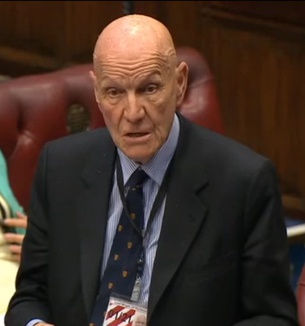

Career and major postings
Wright joined the diplomatic service and advanced through a series of overseas and London appointments. Early in his ambassadorial career he was appointed Ambassador to Luxembourg in 1977 and, soon after, Ambassador to Syria in 1979, a posting he held until 1981. He returned to Whitehall to serve as Deputy Under-Secretary at the Foreign and Commonwealth Office from 1982 to 1984, and was then appointed Ambassador to Saudi Arabia from 1984 to 1986. Following these roles he went on to lead the professional diplomatic service as Head of HM Diplomatic Service and Permanent Under-Secretary at the FCO, occupying the most senior civil-service position within the UK foreign policy apparatus.
Roles and responsibilities
As a senior envoy and then head of the Diplomatic Service, Wright combined operational responsibilities—running embassies and managing bilateral relations—with strategic responsibilities at the FCO, including personnel leadership, institutional reform and advising ministers on foreign policy. His postings in the Middle East placed him at the interface of regional politics and British interests during a complex period for energy, security and diplomatic engagement.
Parliamentary life and honours
After retiring from active diplomatic service, he was created a life peer and took his seat in the House of Lords as a crossbencher on 10 February 1994, where he contributed to debates on foreign affairs and constitutional matters until his formal retirement from the Lords on 17 December 2019. He held the honour of GCMG and used his experience to inform parliamentary scrutiny and public discussion of international affairs.
Legacy and notable facts
Wright is remembered for steady administrative stewardship of the Diplomatic Service, for his ambassadorial work in Europe and the Middle East, and for bringing a practitioner's perspective to the House of Lords. His long public service career bridged on-the-ground diplomacy and high-level policy advising, shaping mentorship and institutional practices within the Foreign Office.
- Key postings:
For readers seeking further context on the profession and institutions with which he was associated, see general resources on the role of a diplomat and the composition of the House of Lords.
Author
AlegsaOnline.com Patrick Wright, Baron Wright of Richmond: British Diplomat and Peer Leandro Alegsa
URL: https://en.alegsaonline.com/art/128140