
Foreign and Commonwealth Office
The former United Kingdom government department responsible for the country's foreign relations and protection of citizens abroad; merged into the Foreign, Commonwealth & Development Office in 2020.
Overview
The Foreign and Commonwealth Office (FCO) was the United Kingdom government department charged with conducting the country's external relations, protecting British interests overseas and providing consular assistance to UK nationals. It acted as the administrative headquarters for the UK's diplomatic and consular network, coordinating policy across embassies, high commissions and international missions.
Image gallery
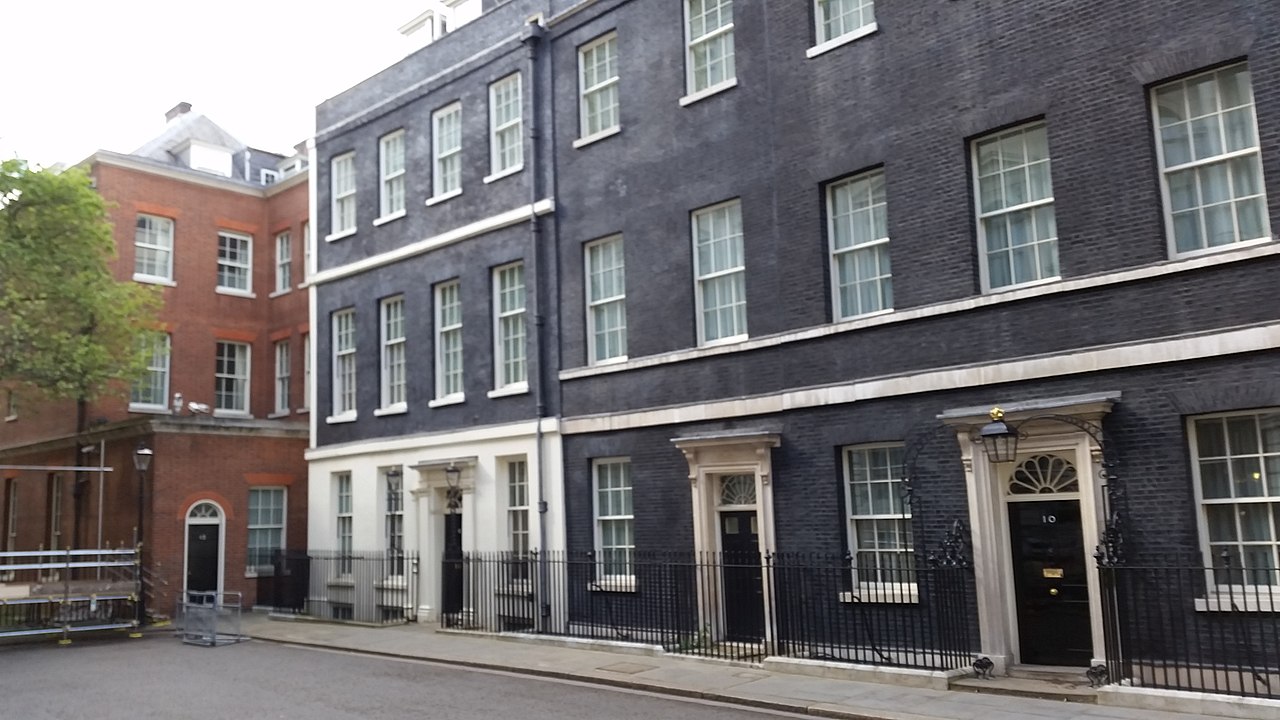
10 Images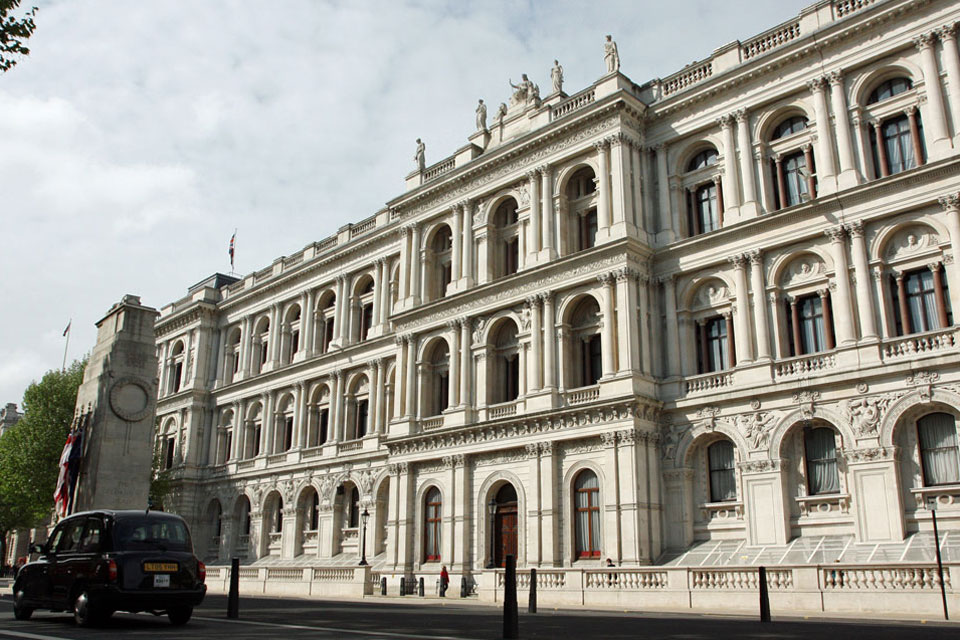






Primary responsibilities
Core tasks undertaken by the FCO included:
- Shaping and implementing UK foreign policy and bilateral relations.
- Supporting and safeguarding British citizens abroad through consular services, travel advice and emergency assistance.
- Representing the UK at international organisations and multilateral forums.
- Promoting trade, cultural ties and development objectives in cooperation with other departments.
The minister responsible held the title Secretary of State for Foreign and Commonwealth Affairs, commonly shortened to the "Foreign Secretary," a senior Cabinet position that provided political leadership of the department. Administrative work was carried out by professional diplomats and civil servants who formed the Diplomatic Service.
Organisation and overseas presence
The FCO managed the UK's global network of embassies, high commissions in Commonwealth countries, consulates and permanent missions to international bodies. Staff ranged from career diplomats to locally employed staff and specialists in political, economic, press and consular sections. The department also worked closely with other government departments, intelligence services and international partners to deliver foreign policy objectives.
History and development
The FCO was created in 1968 by merging the former Foreign Office with the Commonwealth Office to reflect the changing relationship between Britain and the Commonwealth. Over subsequent decades its work adapted to post‑imperial diplomacy, the expansion of multilateral institutions and shifting economic and security priorities. In 2020 the department was combined with the Department for International Development to form the Foreign, Commonwealth & Development Office, incorporating development policy more directly into diplomatic activity.
Significance and legacy
The FCO is remembered as the central institution that organised Britain’s diplomatic engagement throughout the late 20th and early 21st centuries. Its legacy persists in the structures and practices retained by its successor department. For more on official roles, functions and historical records see the UK government pages and related resources: department overview, United Kingdom government, Foreign Secretary and Cabinet.
Questions and answers
Q: What is the Foreign and Commonwealth Office?
A: The Foreign and Commonwealth Office is a ministry of the Government of the United Kingdom.
Q: What is the job of the Foreign and Commonwealth Office?
A: The job of the Foreign and Commonwealth Office is to protect British interests around the world.
Q: Who is responsible for the Foreign and Commonwealth Office?
A: The minister responsible for the Foreign and Commonwealth Office is known as the Secretary of State for Foreign and Commonwealth Affairs, which is usually shortened to "Foreign Secretary".
Q: Is the Foreign Secretary position important?
A: Yes, the Foreign Secretary position is one of the four most important in the UK government's Cabinet.
Q: Who is the current Foreign Secretary of the UK?
A: The current Foreign Secretary of the UK is Liz Truss.
Q: What does Liz Truss do in her role as Foreign Secretary?
A: Liz Truss is responsible for protecting British interests around the world as the Foreign Secretary of the UK.
Q: What is the full name of the Ministry responsible for the Foreign Office?
A: The full name of the Ministry responsible for the Foreign Office is the Foreign, Commonwealth and Development Office.
Related articles
Author
AlegsaOnline.com Foreign and Commonwealth Office Leandro Alegsa
URL: https://en.alegsaonline.com/art/35606