
Patrick Lucey (1918–2014) — Governor of Wisconsin and U.S. diplomat
American politician who served as Governor of Wisconsin (1971–1977), later U.S. Ambassador to Mexico, and was the 1980 independent vice-presidential running mate of John Anderson.
Patrick Joseph Lucey was an American politician best known for serving as the 38th Governor of Wisconsin from 1971 until 1977. A figure in mid-20th-century state politics, Lucey combined administrative reform with pragmatic, centrist policies and later entered the diplomatic corps and national independent politics.
Image gallery
2 Images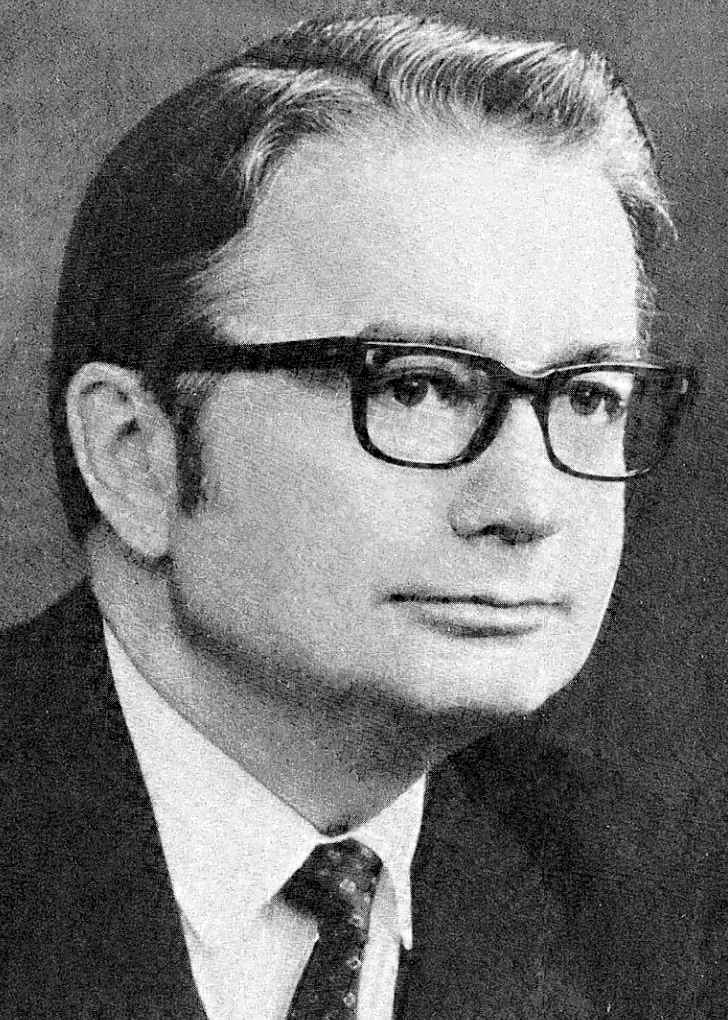

Early life and political rise
Born in La Crosse, Wisconsin, in 1918, Lucey came of age during the Great Depression and World War II eras. He entered public life at the state and local levels and rose through the ranks of the Democratic Party. By the late 1960s he had established a reputation as a manager interested in modernizing government operations and addressing the educational and fiscal needs of the state.
Governorship: goals and initiatives
As governor, Lucey focused on reorganizing state government, improving budgeting and administration, and supporting public institutions. His administration pursued measures aimed at streamlining agencies, strengthening higher education, and responding to social issues of the period. He was commonly described as a pragmatic Democrat who emphasized efficient public administration over ideological rhetoric.
- Administrative reorganization and efforts to modernize state operations.
- Support for education and public services during a time of demographic and fiscal change.
- Attempts to balance fiscal responsibility with social policy priorities.
Diplomatic service and later politics
In 1977 Lucey left the governor's office to accept an appointment as United States Ambassador to Mexico, serving under President Jimmy Carter. His work as ambassador reflected his long-standing interest in practical governance and interstate relations. Later, in 1980, he returned to national politics as the independent vice-presidential nominee alongside former Congressman John Anderson, a campaign that sought to offer a third-party alternative in a polarized presidential election.
Legacy and significance
Lucey remained a notable figure in Wisconsin public life and is remembered for efforts to modernize the machinery of state government and for bridging state and national service. He died in Milwaukee in 2014 at the age of 96. His career is often cited as an example of mid-century state leadership that combined managerial reform with a centrist political approach.
For further information on specific policies and the details of his administration’s programs, consult dedicated historical and archival sources on Wisconsin governance and U.S.–Mexico diplomatic history.
Author
AlegsaOnline.com Patrick Lucey (1918–2014) — Governor of Wisconsin and U.S. diplomat Leandro Alegsa
URL: https://en.alegsaonline.com/art/128121