
Oscar Peterson: Canadian Jazz Pianist and Influential Performer
Oscar Peterson (1925–2007) was a Canadian jazz pianist celebrated for virtuosic technique, a long international career, multiple Grammy Awards, and wide influence on jazz performance and teaching.
Overview
Oscar Peterson (August 15, 1925 – December 23, 2007) was a Canadian jazz musician best known as a virtuoso pianist. His career spanned more than six decades, during which he won several Grammy Awards and was inducted into the Canadian Music Hall of Fame. He combined a dazzling technical command with a deep sense of swing and blues feeling.
Image gallery
6 Images

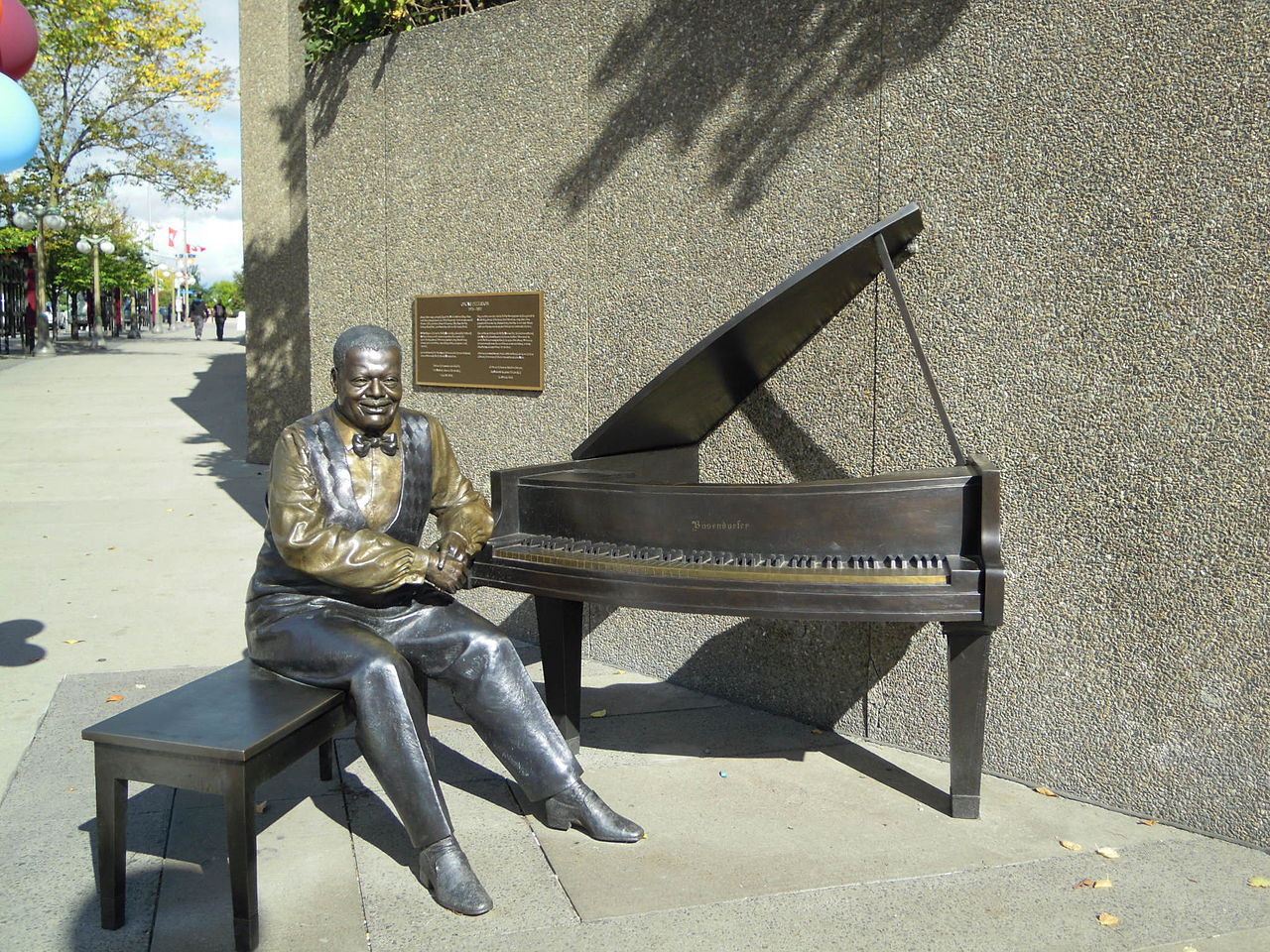


Early life and musical training
Born and raised in Montreal, Peterson began learning piano under his father's guidance and later studied classical technique with Hungarian teacher Paul de Marky. That early blend of classical discipline and popular music exposure shaped his capacity to move between complex arrangements and spontaneous improvisation.
Style, technique, and musical characteristics
Peterson was widely admired for speed, clarity, and an exceptionally strong rhythmic drive. He often used block chords, rapid single-note lines, and blues-inflected phrasing. Critics and peers noted his ability to balance technical fireworks with lyricism; when required, he could accompany singers with sensitivity or take extended solo passages with effortless swing.
Career highlights and collaborations
He rose to international prominence through concerts, recordings, and tours that showcased both trio formats and larger ensembles. Peterson performed with many leading figures of the era and made celebrated duo and group recordings. Major parts of his public life included work with prominent impresarios and regular appearances in concert series and festivals, where his displays of improvisation and arrangement became widely admired (performances).
Notable associations and recordings
- Long-standing trios and small groups that emphasized interplay and solo space.
- Collaborations with leading vocalists and instrumentalists that brought jazz to broader audiences.
- Studio and live recordings that became reference points for jazz pianists and ensembles.
Legacy and later years
Peterson's influence reaches across generations: teachers cite him as a model for technique, and performers study his recordings for phrasing and touch. In his later life he continued to record and teach despite health challenges that limited his playing. His music remains a frequent subject of jazz education and historical surveys, and his recordings continue to be reissued and celebrated for their combination of brilliance and musicality.
For listeners seeking an introduction, recommended entry points include live trio albums and intimate duo sessions; for students of piano, his recordings are often studied for articulation, timing, and chordal approach. His career demonstrates how technical mastery and expressive depth can coexist in jazz performance.
Author
AlegsaOnline.com Oscar Peterson: Canadian Jazz Pianist and Influential Performer Leandro Alegsa
URL: https://en.alegsaonline.com/art/127957