
Omar Hassan Ahmad al‑Bashir — Sudanese ruler (1989–2019)
Overview of Omar al‑Bashir, Sudanese military leader who led the country from 1989 to 2019; his policies, the north–south peace agreement, the Darfur conflict, international charges, and his removal.
Overview
Omar Hassan Ahmad al‑Bashir (Arabic: عمر حسن أحمد البشير) was a Sudanese military officer who led the country from 1989 until his removal in 2019. He came to power in a 1989 military takeover (the coup) that brought a ruling junta and an Islamist political program to the center of Sudanese governance. During his three decades in office he oversaw major political and military shifts that reshaped Sudan internally and in its relations with neighbors.
Image gallery
10 Images


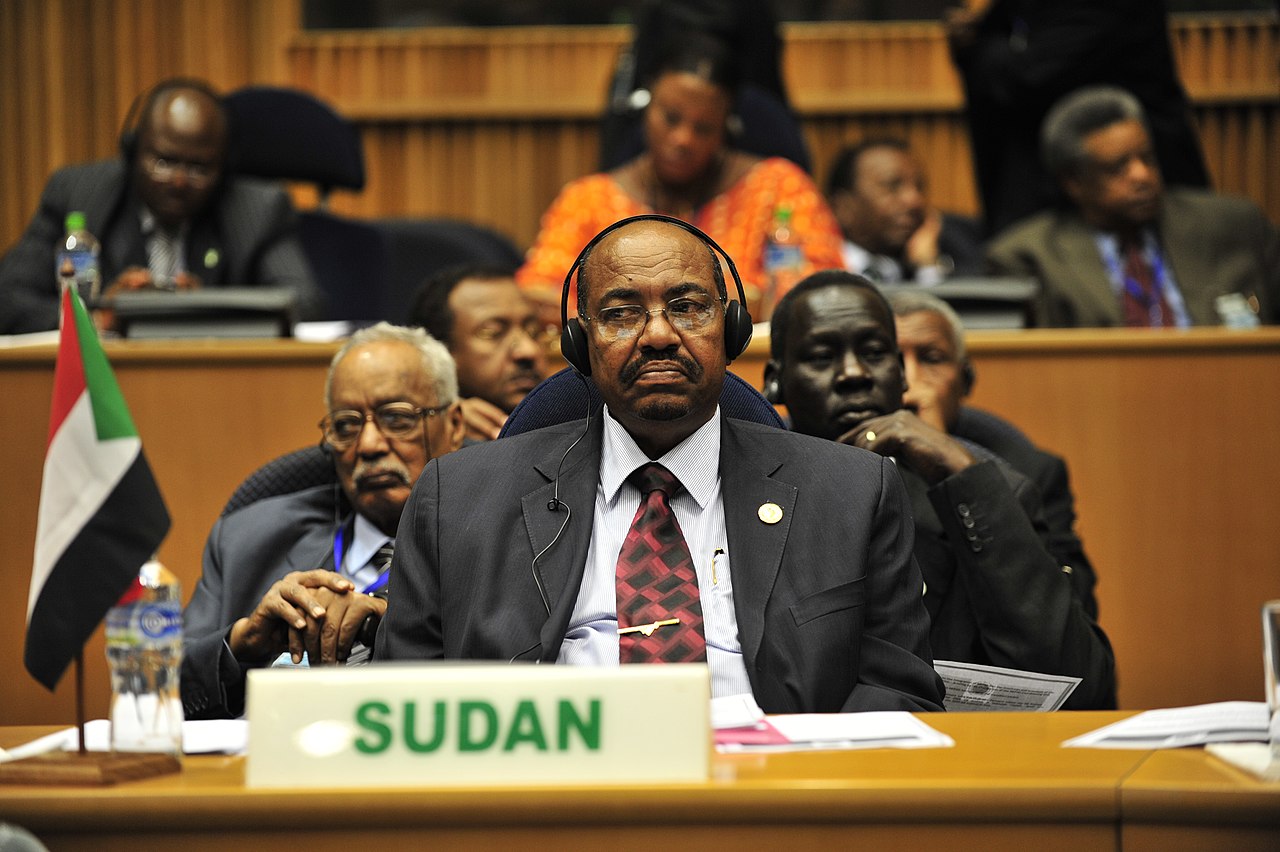


Rise to power and governance
Al‑Bashir rose through the armed forces and became the head of a government that combined military, Islamist political networks and technocratic elements. He held the title of president of Sudan for most of that period. His administration introduced conservative interpretations of Sharia law in the 1990s, centralized authority in Khartoum, and pursued state control over many aspects of political life and the economy. Oil discoveries and exports in the 1990s and 2000s changed Sudan's economic and diplomatic priorities, while internal dissent and insurgencies continued to challenge the regime.
Peace with the south and the question of unity
In 2005 al‑Bashir's government and southern rebel leaders signed the Comprehensive Peace Agreement that brought an end to the long north–south civil war and set processes in motion that led to the independence of South Sudan in 2011. The agreement reduced open large‑scale warfare between north and south but left unresolved political, economic and social tensions that continued to affect both states.
Darfur, accountability and international response
Beginning in the early 2000s, the Darfur region in western Sudan became the scene of a violent conflict involving government forces, allied militias, and rebel movements including the Sudanese Liberation Army and the Justice and Equality Movement. The fighting produced widespread destruction, mass displacement and disputed casualty figures; estimates of deaths and displaced persons vary widely, with hundreds of thousands of victims and millions uprooted. The crisis strained relations with neighboring countries, notably Chad, and led to diplomatic pressure and international investigations. The International Criminal Court issued arrest warrants accusing senior officials, including al‑Bashir, of crimes such as war crimes and crimes against humanity; Sudanese authorities did not surrender him to the court, while debates about accountability continued.
Downfall, domestic prosecutions and ongoing questions
Large popular protests beginning in late 2018 over economic hardship and political grievances culminated in al‑Bashir's removal by the military in April 2019. He was detained and faced domestic criminal cases, including corruption charges, and his removal set off a turbulent political transition. Transitional authorities negotiated with international actors over issues of accountability and possible transfer to external tribunals, and the legacy of his era remains a subject of contention within Sudan and beyond.
Notable facts and distinctions
- Long tenure: al‑Bashir governed Sudan for about three decades following a military takeover.
- Peace deal with the south: his government was a signatory to the 2005 agreement that ended the north–south civil war and led to South Sudan's later independence.
- Darfur conflict: a defining and controversial period of his rule that prompted international indictments and humanitarian interventions.
- Regional impact: relations with neighbors, including Chadian relations, were affected by cross‑border rebel activity and refugee flows.
For further context on names, institutions and legal proceedings see sources linked here: Arabic name, presidential role, Sudan, 1989 takeover, north–south peace process, Darfur region, rebel movements, Chad, regional relations.
Author
AlegsaOnline.com Omar Hassan Ahmad al‑Bashir — Sudanese ruler (1989–2019) Leandro Alegsa
URL: https://en.alegsaonline.com/art/127906