
Olivia Colman — English actress known for comedy and award-winning drama
Profile of Olivia Colman, an English actress whose career spans acclaimed comedy, film and television drama, including an Academy Award, BAFTAs and roles in Broadchurch, The Crown and The Favourite.
Olivia Colman (born Sarah Caroline Olivia Colman, 30 January 1974) is an English actress celebrated for her range from broad comedy to intense drama. Honoured with a CBE, she has received major awards including an Academy Award and multiple BAFTAs and BIFAs. Her career has combined long-running television comedies, character work in independent films and high-profile international drama, earning both popular recognition and critical acclaim. For an overview of her honours and nominations see awards and recognition.
Image gallery
5 Images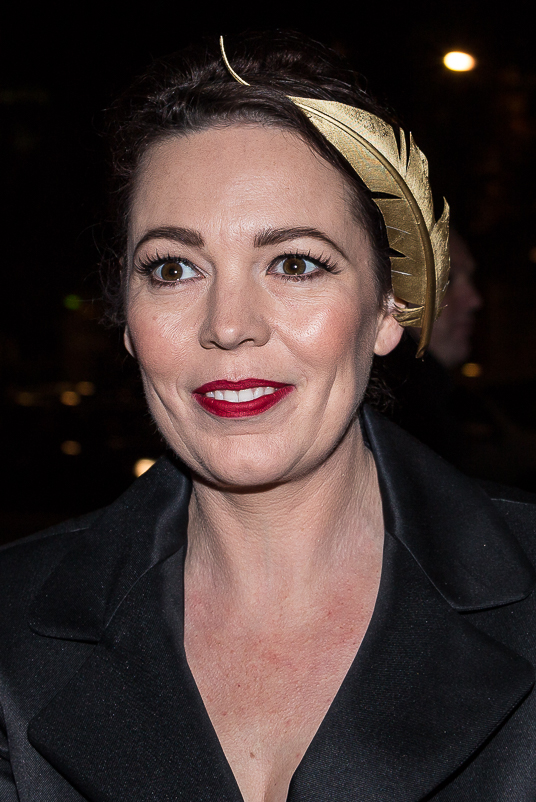


Early career and comic breakthrough
Colman trained in the UK and came to wider public attention through television comedy. She was a regular on ensemble shows and sketch comedy, and her early screen profile was established by long-running sitcoms. Most notably, she played Sophie Chapman in the cult Channel 4 sitcom Peep Show, which ran for over a decade and helped make her a familiar face in British comedy. Her television work in this period also included ensemble and sketch projects on Channel 4, as well as shows such as Green Wing and That Mitchell and Webb Look; her comic timing and willingness to play eccentric characters marked her out to casting directors and audiences alike.
Move into film and dramatic work
While Colman continued to work in comedy, she increasingly took on dramatic parts that demonstrated a different side of her craft. Her performance in the intense, low-budget drama Tyrannosaur brought new critical attention; the film was directed by and starred Paddy Considine and helped establish Colman as an actor capable of emotional depth and rawness in difficult roles (Paddy Considine collaboration). She has appeared in a range of films from mainstream to art-house, including a memorable comic turn as PC Doris Thatcher in Edgar Wright's Hot Fuzz, a supporting role in The Iron Lady, and portrayals in titles such as Hyde Park on Hudson (in which she appears alongside established international stars, linked to her portrayal of historical figures like Queen Elizabeth in supporting contexts (role references)) and the offbeat auteur pieces Locke and The Lobster. These choices showed both versatility and an interest in projects with distinct directorial voices.
Television prominence and international recognition
Colman's dramatic television work has produced some of her most widely seen and discussed performances. Her portrayal of DS Ellie Miller in the crime drama Broadchurch brought major domestic awards and international attention for its range and humanity. She won a Golden Globe and received Emmy nominations for work including the espionage miniseries The Night Manager, showcasing her ability to take on supporting but scene-stealing parts in internationally co-produced television. In a high-profile casting that introduced her to even larger global audiences, she portrayed Queen Elizabeth II in seasons three and four of the original Netflix series The Crown, a role that drew widespread commentary for its blend of restraint and subtlety (Queen Elizabeth II portrayal).
Style, range and notable achievements
Colman is frequently praised for her adaptability: she can deliver deadpan comic beats, play awkward or eccentric figures, and also inhabit deeply damaged or dignified characters in drama. Critics and peers note her naturalism, expressive face and the way she balances humour and pathos. Major recognitions in her career include:
- Academy Award (Best Actress) for a leading film performance and multiple nominations across film and television — further details at official awards summaries.
- Several BAFTA Awards and BIFA honours recognising both screen and independent-film work.
- A Golden Globe and multiple international nominations for television performances, including work with production partners such as AMC and streaming platforms.
Legacy, public image and ongoing work
Beyond individual roles, Colman is seen as an actor who has successfully crossed the sometimes-difficult divide between comic television and serious film drama. She has maintained a reputation for choosing varied projects and for collaborative, ensemble-minded work with directors and writers. As her career continues, she remains a frequent presence in British and international film and television, and her work is often cited in discussions of contemporary acting styles that blend naturalism with strong characterisation. For more on particular productions and interviews, refer to individual credits and profiles linked in contextual resources (broadcaster pages, series histories).
Questions and answers
Q: What awards has Olivia Colman won?
A: Olivia Colman has won an Academy Award, three BAFTA Awards, three BIFA Awards, one Golden Globe Award and been nominated twice for an Emmy Award.
Q: What is Olivia Colman known professionally as?
A: Olivia Colman is known professionally simply as Olivia Colman.
Q: What was the first role that brought her to prominence?
A: The first role that brought her to prominence was her supporting role as Sophie Chapman in the Channel 4 comedy series Peep Show (2003–2015).
Q: What other TV comedy roles has she played?
A: Other TV comedy roles she has played include Green Wing (2004–2006), Beautiful People (2008–2009), Rev. (2010–2014) and Twenty Twelve (2011–2012). She also played various roles in That Mitchell and Webb Look (2006–2008).
Q: What film roles has she taken on?
A: Film roles she has taken on include PC Doris Thatcher in Hot Fuzz (2007), Carol Thatcher in The Iron Lady (2011), Queen Elizabeth in Hyde Park on Hudson (2012), Bethan Maguire in Locke (2013), Margaret Lea in The Thirteenth Tale (2013), Marion in Tale of the Brave (2014) and the Hotel Manager in The Lobster (2015).
Q: In what Netflix series did she play Queen Elizabeth II?
A: She played Queen Elizabeth II in the third and fourth season of the original Netflix series The Crown.
Q: For which performance did she win a Golden Globe Award?
A; She won a Golden Globe Award for Best Supporting Actress - Series, Miniseries or Television Film for her performance in the AMC/BBC miniseries The Night Manager.
Author
AlegsaOnline.com Olivia Colman — English actress known for comedy and award-winning drama Leandro Alegsa
URL: https://en.alegsaonline.com/art/127876