
Neelam Sanjiva Reddy
Indian politician who served as the sixth President of India (1977–1982), Speaker of the Lok Sabha, and a long‑time parliamentarian and state leader.
Overview
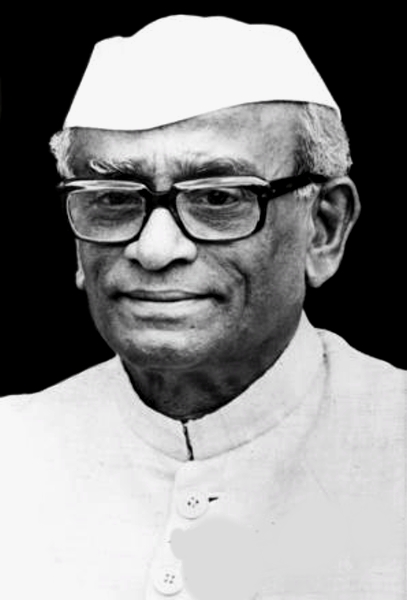
Neelam Sanjiva Reddy (19 May 1913 – 1 June 1996) was a prominent Indian politician and parliamentarian who served as the sixth President of India from 1977 to 1982. A veteran leader active before and after independence, he held important legislative and executive posts at both state and national levels and was widely respected for his parliamentary experience.

Image gallery
7 Images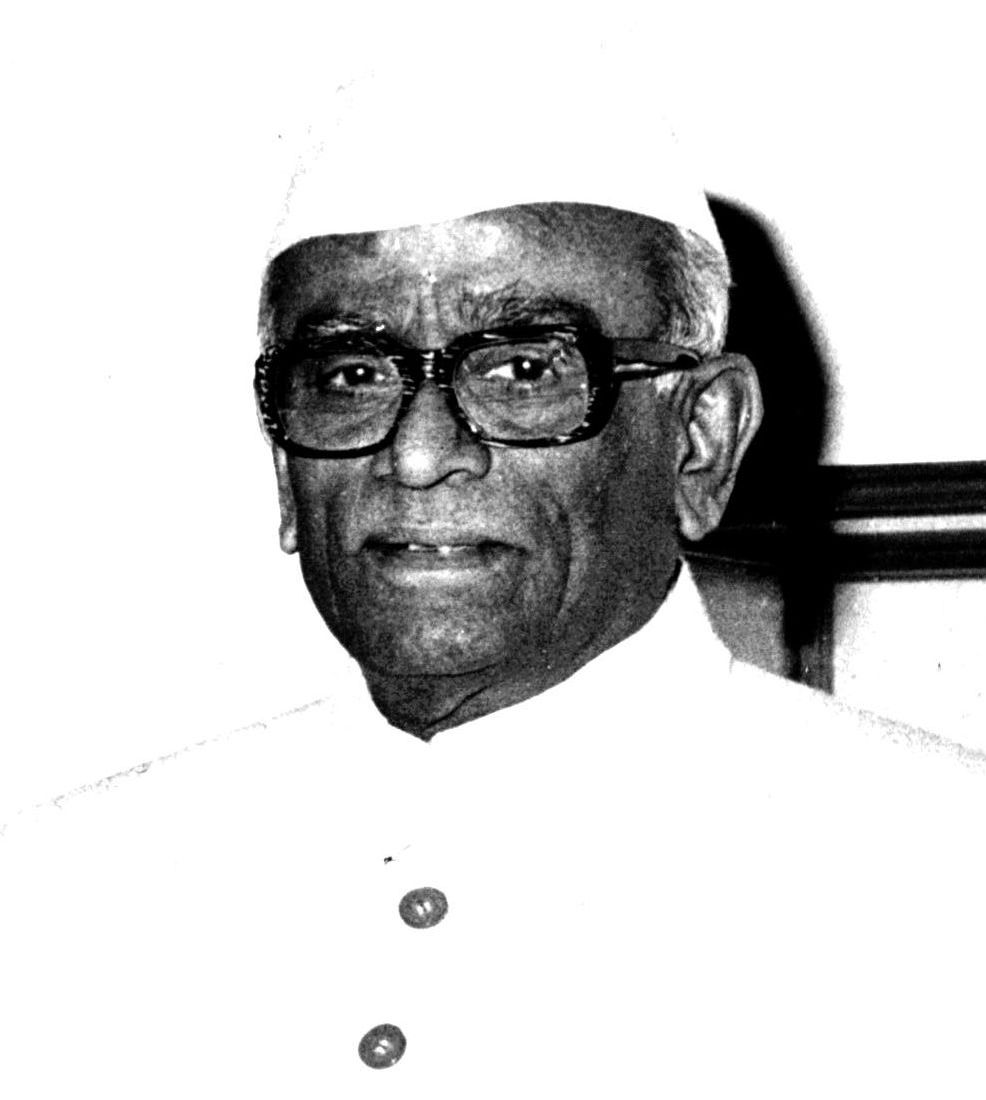



Political rise and roles
Reddy began his public life during the independence era and later entered electoral politics. Over several decades he occupied a range of offices, combining state leadership with national responsibilities. He is especially noted for his service as Speaker of the Lok Sabha, a role he held from 1967 to 1969 and again briefly in 1977. He also served as Chief Minister of Andhra Pradesh in the early 1960s and was a long‑standing member of Parliament.
Key offices
- Long‑time member of the Indian Parliament and state legislature
- Chief Minister of Andhra Pradesh (early 1960s)
- Speaker of the Lok Sabha (1967–1969; 1977)
- President of India (1977–1982)
Presidential elections and significance
Reddy contested the presidential election in 1969 and was defeated in a contested poll. His later selection for the presidency in 1977 came after a turbulent period in national politics; he became the consensus candidate of the coalition that succeeded in general elections that year. He is remembered as the only Indian president to have been elected unopposed, reflecting broad political agreement at that moment.
Later life, death and legacy
After completing his five‑year term as president, Reddy retired from active politics. He remained a respected elder statesman until his death on 1 June 1996 from pneumonia in Bangalore, in the state of Karnataka, at the age of 83. His career is often cited for its longevity, legislative expertise and contribution to parliamentary traditions in India.
Author
AlegsaOnline.com Neelam Sanjiva Reddy Leandro Alegsa
URL: https://en.alegsaonline.com/art/127477